
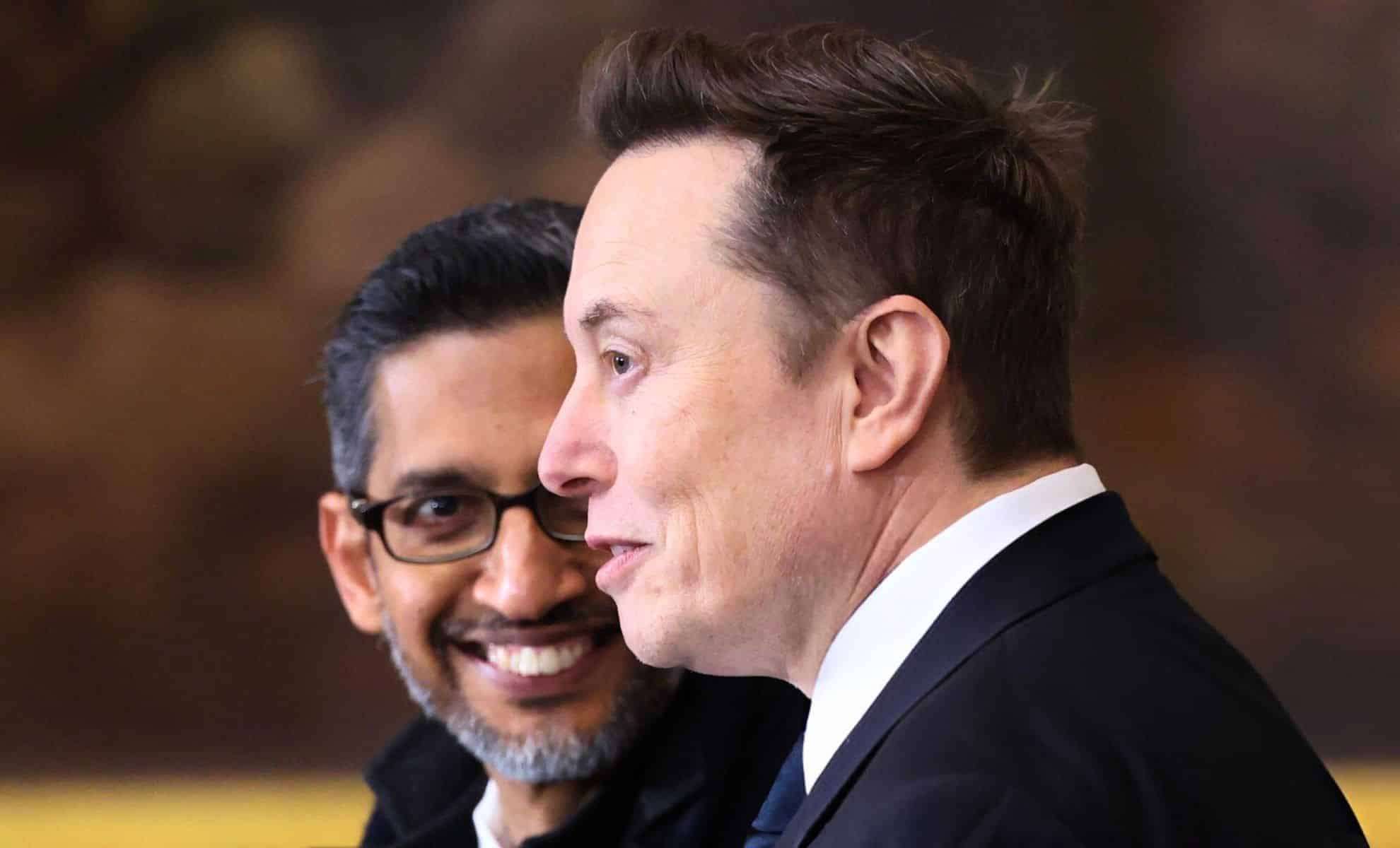
Elon Musk, the influential tech entrepreneur celebrated for bold innovations, is once again at the forefront of a provocative proposal—this time aiming to embed blockchain technology within the US Treasury. Recently, Musk and his team of interns reportedly obtained “read-only” access to confidential Treasury data sets, including information on Social Security, Medicare, and student loan payments. Musk asserts that his goal is to increase transparency and enhance oversight, but skeptics warn that his initiative may jeopardize the US economy and disproportionately favor wealthy stakeholders.
Could Blockchain Revolutionize Treasury Operations?
Earlier this weekend, Musk and his associates reportedly accessed the Treasury’s servers, securing a significant volume of sensitive data. Though access remains limited to read-only status—preventing any modification of payment processes—the incident has raised alarm among regulators and privacy advocates about potential data misuse.
Musk defends this breach by alleging extensive inefficiencies and fraudulent activities within the agency. In a public statement on Monday, he declared, “Career Treasury officials are breaking the law every hour of every day by approving payments that are fraudulent or do not match the funding laws passed by Congress.” However, no concrete proof was offered, prompting skepticism about the validity of these accusations.

When prompted by a user about relocating the Treasury onto the blockchain to mitigate such problems, Musk responded affirmatively. Reportedly, his vision includes leveraging blockchain to enhance data security, improve the monitoring of federal expenditures, and oversee government disbursements and assets.
Though current federal systems already perform similar functions, Musk contends that blockchain could cut costs significantly. Precise details of implementation remain unclear, leaving both experts and the public uncertain about the proposal’s practicality and ramifications.
Crypto Market Reacts to Musk’s Bold Plan
The revelation of Musk’s Treasury-related activities quickly unsettled the cryptocurrency sphere. In response, a coalition of activist groups and labor unions launched a lawsuit against him, contributing to a steep drop in crypto values.
Dogecoin, Musk’s favored digital coin, suffered a 15% decline, while Bitcoin and Ethereum fell by 2.5% and 18%, respectively. These sharp decreases represent some of the largest single-day shifts observed recently, highlighting the inherent volatility of the crypto environment.
This unpredictable nature is typical for cryptocurrencies, which react strongly to regulatory developments, market rumors, and high-profile endorsements or criticisms. The recent downturn was further intensified by ongoing economic pressures, including former President Trump’s tariff disputes and emerging plans at state levels to develop “Bitcoin Strategic Reserves.”
Detractors argue that such market instability undermines the suitability of cryptocurrencies as the foundation for a country’s vast economy. They caution that migrating Treasury assets to blockchain might fuel inflation, slow transaction speeds, and inflate crypto valuations—benefiting affluent investors like Musk, while offering limited advantages to everyday taxpayers.
Implications for the US Dollar’s Global Role
Beyond immediate concerns for crypto market stability, Musk’s proposal ignites fears over the future strength of the US dollar. For generations, the dollar has held its position as the leading global reserve currency, supporting international trade and financial order. Endorsing blockchain-based financial frameworks, Musk and his supporters may inadvertently threaten this supremacy, risking significant upheaval in the global economy.
Financial analysts warn that the speculative dynamics of the crypto market could create a precarious bubble, with potentially severe fallout should it burst. One expert observed, “Pursuing blockchain as a currency alternative could weaken the US dollar and destabilize real-world markets while virtual valuations soar.”
Moreover, Musk’s opaque approach has fueled widespread distrust. Though he positions his efforts as promoting accountability, many suspect an ulterior motive to funnel wealth from ordinary taxpayers to the ultra-wealthy. As a critical voice remarked, “At least we’ll be able to verify it on the blockchain.”
The far-reaching effects of Musk’s blockchain proposal raise profound questions about the future of federal finance, the resilience of digital currencies, and the protection of American taxpayers’ interests.
- Categories:
- News










0 comments
Sign in to Comment