
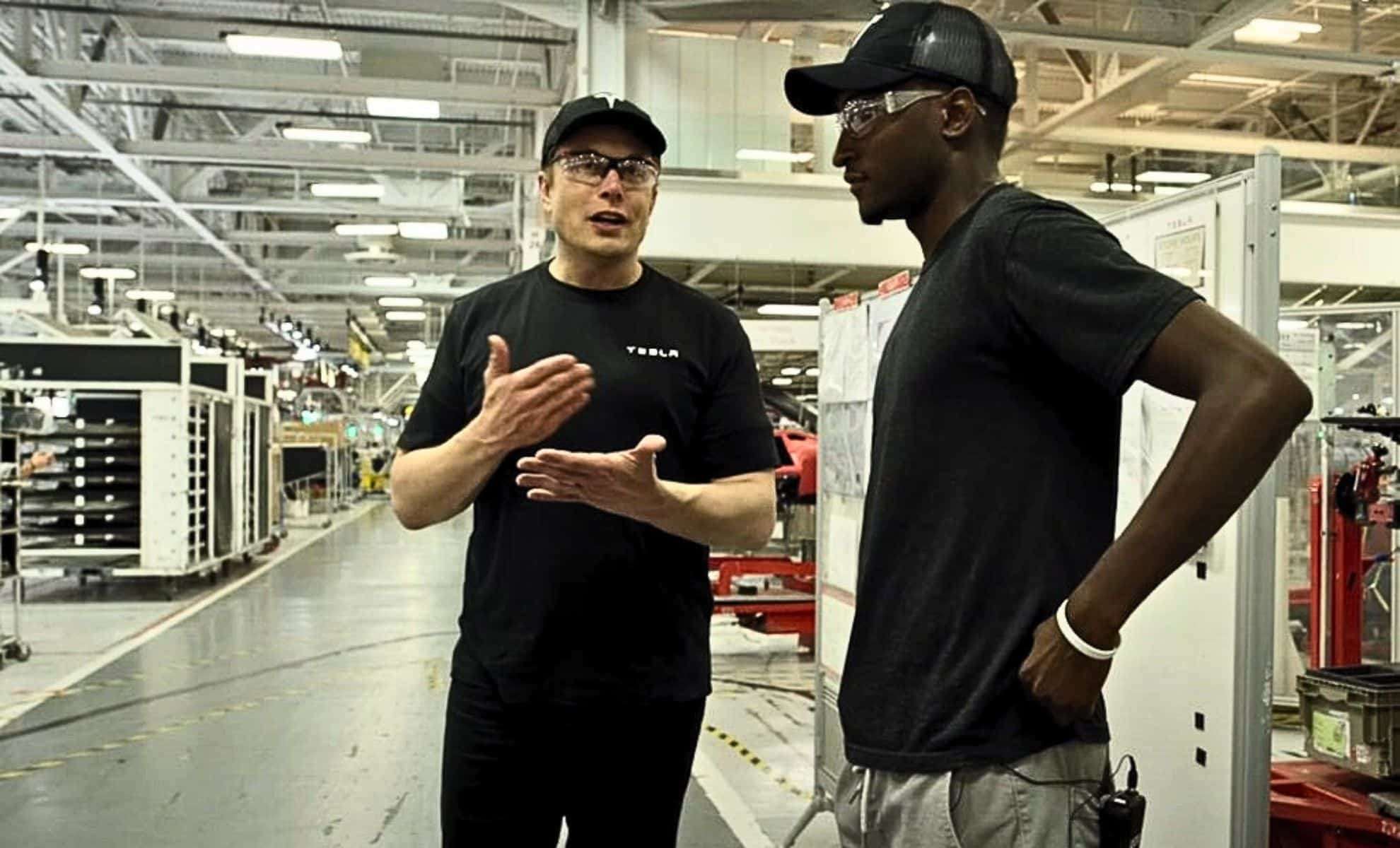
Tesla’s Supercharger network has been a crucial edge over competitors—until recent turmoil. In an unexpected move, Elon Musk terminated the entire Supercharger team, halting development and casting doubt over the future of Tesla’s charging infrastructure.
Shortly after the mass dismissals, Musk reversed course, rehiring essential staff and unveiling a significant $500 million funding plan to boost the network. Yet, it remains unclear if this was a strategic cost reduction or a risky misstep that could undermine Tesla’s lead in the electric vehicle arena.
Massive Layoffs Disrupt Tesla’s Charging Expansion Plans
More than 500 employees were let go just days before May 21, 2024, including Rebecca Tinucci, who headed Tesla’s Supercharger division. This wasn’t a routine downsizing; this team managed the world’s largest and fastest charging network.

With their abrupt exit, all new Supercharger projects were suspended, unsettling the EV market. Automakers like Ford, GM, and Rivian, recently aligned to grant their customers access to Tesla’s chargers, now face uncertainty over their charging infrastructure strategies.
The upheaval also impacted suppliers and contractors, many of whom found themselves uncertain about payment delays and shifting project timelines. The Supercharger team addressed this on X (formerly Twitter), expressing gratitude for the partners’ understanding during the “bumpy ride.”
Musk Backtracks but Leaves Uncertainties
In response to the fallout, Musk swiftly rehired several key employees, including Max de Zegher, North American freight director, aiming to resume Supercharger development. However, Tesla has not clarified how many staff returned, keeping the scope of recovery vague.
Though Musk initially indicated a slowdown in Supercharger growth, he soon announced a $500 million boost to expand the network. This quick pivot suggests that while budget cuts remain relevant, Tesla is unwilling to relinquish its leading charging infrastructure position.
Is This Shift a Smart Move?
Tesla’s Supercharger system has played a vital role in accelerating EV adoption, influencing other carmakers to embrace Tesla’s charging capabilities. Yet, this incident underscores a pattern in Musk’s management: bold decisions quickly followed by reversals.
Similar scenarios unfolded at Twitter (now X), where Musk laid off entire teams only to rehire some staff when challenges arose. This turbulent leadership style appears to be impacting Tesla as well.
Currently, investors remain cautiously hopeful—Tesla’s stock slightly rose after the layoffs, indicating continued confidence in Musk’s long-term vision. However, such instability could strain relationships with partners, suppliers, and Tesla owners who depend on the reliability of the Supercharger network.
- Categories:
- News




0 comments
Sign in to Comment