
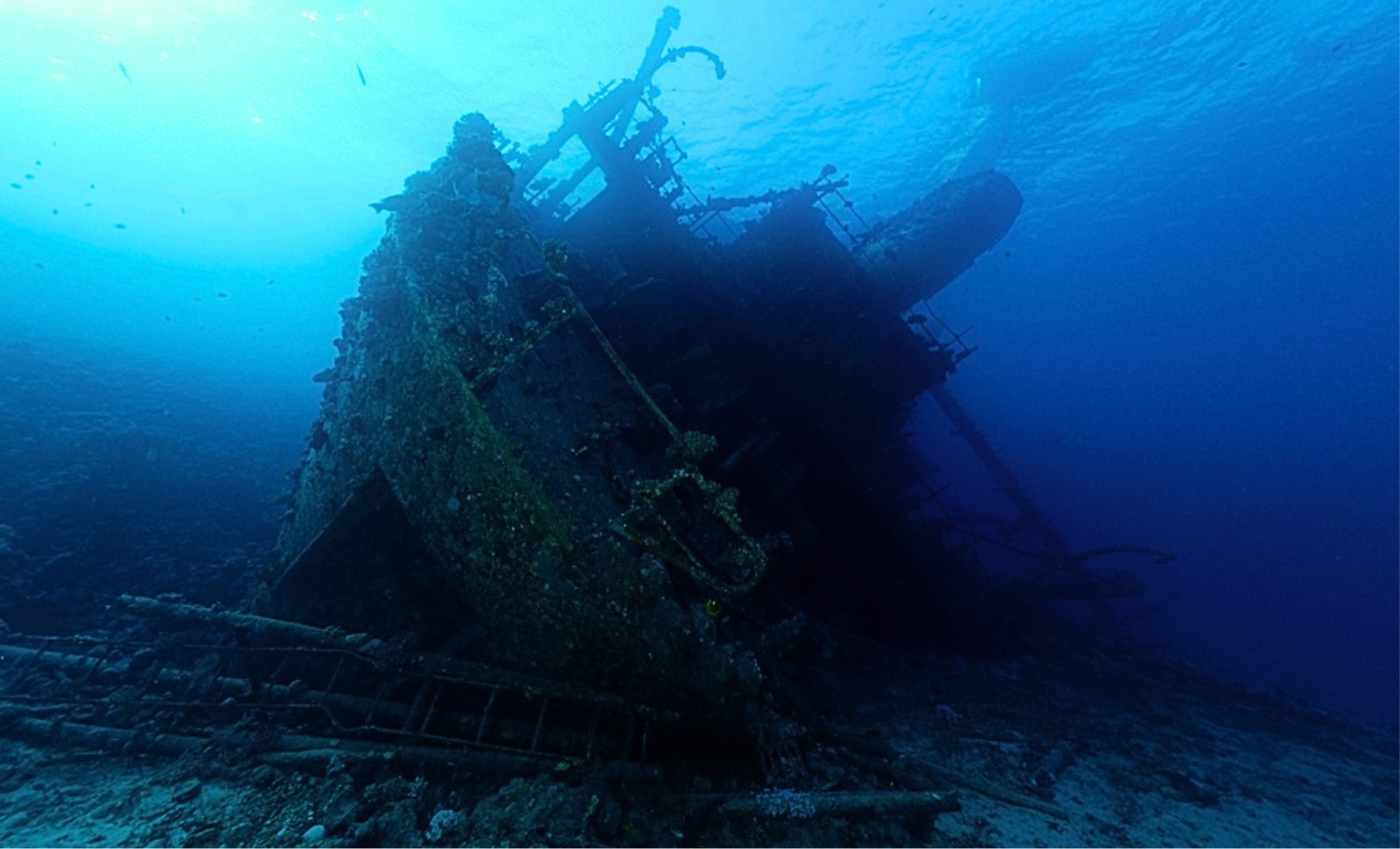
During a fishing outing near Wisconsin’s Green Island in August 2022, Tim Wollak and his 6-year-old daughter Henley encountered an unexpected sonar image beneath their boat. While Henley whimsically suggested it might be the legendary "Green Bay Octopus," Tim suspected they had found an uncharted Great Lakes shipwreck. His intuition was correct.
The photos Tim shared on Facebook attracted the interest of maritime archaeologists from the Wisconsin Historical Society. After finding no matching wreck in their records, the society collaborated with the Wisconsin Department of Natural Resources to deploy a remotely operated vehicle (ROV) in December 2023. The underwater visuals confirmed the discovery: the 122-foot barkentine George L. Newman, lost on the same night as the deadliest wildfire ever recorded in the United States.
Resting in under 10 feet of water off Green Island’s southeastern tip, the shipwreck was likely revealed by shifting sand. "It gradually broke down due to storms and ice over the years," explained Tamara Thomsen, a maritime archaeologist with the Wisconsin Historical Society, "before being submerged by sand until the Wollaks uncovered it recently."

A Pre-Civil War Era Vessel
Built in 1855 by shipwright Benjamin Flint in Black River, Ohio, the three-masted wooden barkentine required relatively few crew members, according to the Wisconsin Shipwrecks database. By autumn 1871, the George L. Newman had served sixteen years transporting cargo across the Great Lakes.
On October 8th of that year, while transporting lumber from Little Suamico, Wisconsin, the crew sailed into obscured waters caused by intensifying wildfire smoke. With visibility completely lost, the ship ran aground on Green Island’s southeastern shore.
Samuel Drew, the island’s lighthouse keeper, kept the light burning throughout the smoke-filled day, likely preventing a tragedy. He rescued the crew, offering shelter in the lighthouse for a week as they attempted to salvage what they could from the stranded ship. Eventually, the George L. Newman was abandoned and battered apart by seasonal storms and ice.
The Overlooked Inferno
The thick smoke that trapped the Newman came from the Great Peshtigo Fire, occurring the same day as the more widely known Great Chicago Fire. While Chicago’s blaze claimed approximately 300 lives, the Peshtigo Fire caused over 1,200 fatalities and ravaged between 1.2 million to 1.5 million acres, marking it as the deadliest wildfire in U.S. history.
Likely ignited by railroad workers clearing land, the brush fire escalated rapidly, destroying Peshtigo in about an hour along with 16 neighboring towns. The fire's intensity allowed it to leap across Green Bay’s waters, reaching Door and Kewaunee counties in Wisconsin. The Peshtigo Fire Museum preserves the memory of this catastrophic event.
A Glimpse into the Past Beneath the Waves
The wreck’s identity was secured by cross-referencing ROV data with historical shipwreck records and the vessel’s final voyage details. No other ship matched the evidence.
Experts describe such shipwrecks as time capsules offering an unparalleled view into history—the wooden frame, remnants of cargo, and the wreck’s resting place provide insights not captured in documents alone. Jordan Ciesielzyk, a maritime expert with the historical society, told Popular Mechanics, "Each shipwreck is like a time capsule revealing a window into the past."
In the previous year, 13 shipwrecks in Wisconsin were discovered, all by chance. The Wollaks’ find stands apart due to its connection to the Peshtigo Fire and the vessel’s age. "Built in 1855, it’s a notably old and important shipwreck," Thomsen noted. "Its link to the Peshtigo Fire adds even more historical significance."
Future Plans for the Historic Site
The Wisconsin Historical Society has scheduled a thorough archaeological investigation of the George L. Newman wreck for spring following the discovery. Divers will measure, photograph in high resolution, and evaluate the ship's current condition through multiple dives. They aim to nominate the site for the National Register of Historic Places.
Located in shallow waters near a popular fishing and swimming venue, the site is unusually easy to access for a historic shipwreck. Thomsen shared with WBAY that the survey will proceed "as soon as I can assemble a team," ensuring a comprehensive documentation of the site.
For the Wollak family, the discovery remains a special story they cherish. Henley, only 6 years old, initially hoped the sonar might reveal treasure they could keep, as Tim shared. Instead, they uncovered a priceless 151-year-old shipwreck, hidden just beneath the surface of a familiar fishing spot and unknown even to local historians.
- Categories:
- News












0 comments
Sign in to Comment