

Recent fossil discoveries have provided fresh insights into the prolonged 5-million-year warming period that ensued following Earth’s most devastating extinction—the Permian-Triassic mass extinction, often called the "Great Dying." Scientists from the University of Leeds and China University of Geosciences have revealed how the destruction of tropical forests, alongside volcanic eruptions, fueled an era of unprecedented global temperature rise. This research, featured in Nature Communications, underscores vulnerabilities in today’s climate balance.
The Great Dying: Trigger of Prolonged Global Heating
Approximately 252 million years ago, a catastrophic extinction event eradicated a vast majority of marine and terrestrial species. Massive volcanic eruptions in the Siberian Traps released enormous amounts of greenhouse gases, drastically altering the atmosphere. While these eruptions are recognized as a primary cause of the initial warming, the question remained why elevated temperatures persisted long after volcanic activity diminished.
For years, the enduring heat was attributed solely to volcanic emissions. However, new fossil data examined by an international research team reveals that the collapse of tropical forests was a significant driver in sustaining this prolonged warming. The disappearance of these crucial carbon sinks intensified the climate crisis, creating what is now described as a global “super-greenhouse” phase.

The Role of Tropical Forest Decline in Escalating Temperatures
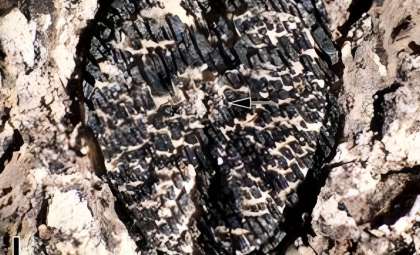
Led by Dr. Zhen Xu of the University of Leeds, the study analyzed fossil and geologic records to trace vegetation changes during this pivotal epoch. Their work indicates that extensive loss of tropical forest ecosystems drastically reduced the planet’s capacity to absorb atmospheric CO2. This failure of carbon sequestration allowed greenhouse gases to accumulate, maintaining high global temperatures for millions of years.
Co-author Professor Benjamin Mills highlighted the significance of modern tropical forests: “There is a warning here about the importance of Earth’s present-day tropical forests.” He stressed that today’s forests are vital in removing CO2 and regulating climate, and their destruction could make Earth susceptible to extreme warming events analogous to the past.
Decoding the Lasting Effects on Earth’s Climate
Dr. Xu explained, “The causes behind this extreme warming have long been debated, as this is the only known interval where tropical forest ecosystems collapsed on such a scale.” After thorough investigations, the team confirmed that forest loss, which disrupted carbon cycling, was key to the protracted heatwave.
The study’s implications highlight how ecosystems and climate are deeply intertwined. When critical habitats like tropical forests reach tipping points and collapse, global warming can amplify uncontrollably, potentially enduring for millions of years unless significant geological or human interventions occur.
A Stark Lesson for Today’s Climate Crisis
Professor Mills warned, “Should current global warming drive tropical forests to collapse similarly, returning to preindustrial climate conditions may be impossible even if emissions cease. Warming could accelerate further due to fundamental disruptions in the carbon cycle, echoing events from Earth’s distant past.”
Modern parallels are alarming: ongoing deforestation and climate change threaten tropical forests in regions such as the Amazon and Southeast Asia, potentially triggering irreversible warming trends akin to those after the Great Dying.
Why Tropical Forest Conservation Matters Now
This research emphasizes that protecting tropical forests extends beyond preserving biodiversity—it is critical for maintaining climate stability. Degradation of these ecosystems could dismantle Earth’s natural CO2 regulation mechanisms, sparking dangerous feedback loops with lasting consequences for future generations.
The findings also call for sustainable land management and urgent global action to halt deforestation. Prioritizing forest conservation is essential not only in climate mitigation but also for adapting to ongoing environmental changes.
As global climate challenges intensify, experts like Dr. Xu and Professor Mills urge society to learn from ancient climatic events and proactively safeguard vital ecosystems. Their work stresses that preventing ecological collapse is far less costly and more effective than attempting to repair climate disruption after it occurs.
- Categories:
- News











0 comments
Sign in to Comment