

A hobbyist using a metal detector in a woodland near Borsum, Lower Saxony, stumbled upon one of the most remarkable Roman-era treasure caches uncovered in Germany in recent years. Since the discovery was made without proper authorization and not promptly reported, authorities have launched an official archaeological inquiry and are scrutinizing the legal aspects of the case.
Although the site suffered some disturbance before archaeologists could intervene, it is now being carefully excavated under professional supervision. Specialists are striving to salvage and study whatever remains of the original deposit, even as legal deliberations continue regarding the violation of heritage protection laws.
Valuables Hidden at Rome's Northern Frontier
This treasure trove includes 450 silver coins, a solitary gold coin, a gold ring, and multiple silver ingots, as reported by the Lower Saxony State Office for Monument Preservation. Preliminary dating situates the burial in the early Roman Imperial era, a time marked by contested borders and ongoing confrontations between Roman legions and Germanic tribes.

Experts refer to the find at Borsum as a hoard, representing valuables purposefully hidden, often in times of turmoil or threat. The combination of minted coins and raw precious metals indicates it might have functioned as financial reserves, military funds, or an emergency stockpile.
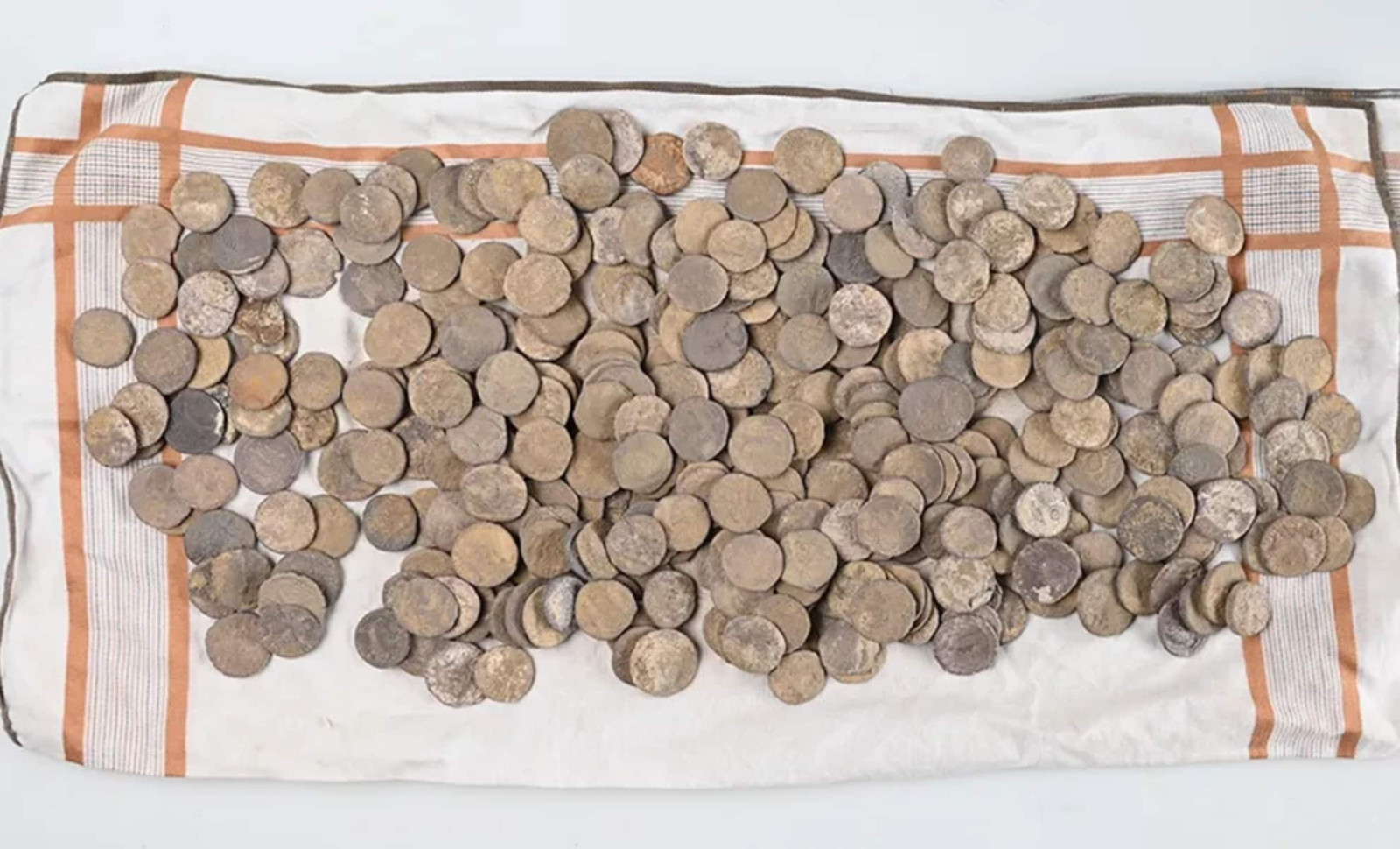
Conservation work on the coins continues, with researchers aiming to uncover mint source details and imperial imagery to better define the burial period and its significance. Non-invasive metal composition testing is underway to trace the silver’s provenance, possibly linking it to Roman mining operations supplying official mints.
The mix of everyday currency alongside a valuable gold ring may suggest ownership by an elite individual or a deliberately varied collection to maintain both liquidity and store of wealth. Coverage from Earth.com hailed the find as one of the most important in decades.
Illegal Metal Detecting Damages Archaeological Integrity
The treasure was discovered outside an official archaeological effort. The person responsible had used a metal detector without complying with Section 12 of the Niedersächsisches Denkmalschutzgesetz, which governs the use of such devices in protected cultural sites.
Lower Saxony’s regulations mandate a three-step certification for anyone conducting metal detection on heritage grounds. This process includes legal training about cultural site protections, safety measures, and reporting protocols. Permits carry specific location restrictions and precise record-keeping rules, detailed in the state heritage office’s guidance for metal detector operators.
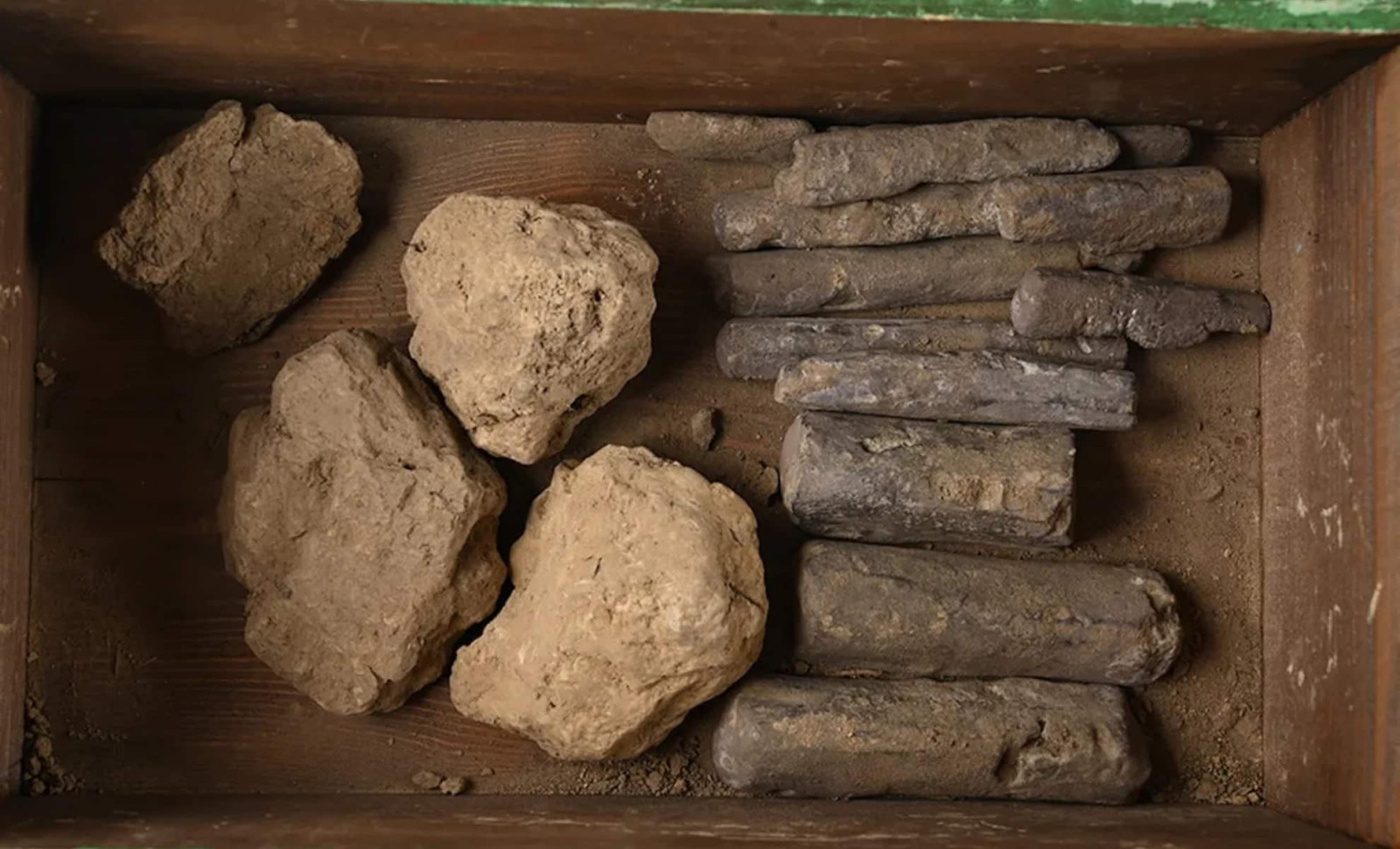
Because the initial finder neglected to report the treasure promptly, much of the original archaeological context — such as container evidence, arrangement of items, and their positioning — was compromised. Following notification, archaeologists systematically excavated the location, uncovering further objects left behind during the first informal search.
Although some spatial information was lost, researchers have partially reconstructed the hoard’s original setup. The recovered items have been transferred to a secure facility in Hildesheim for advanced study. Early coverage in the Indian Defence Review underscored both the scientific importance of the find and the problems caused by the unauthorized excavation.
Ongoing Review of Legal and Preservation Issues
Officials have yet to announce any penalties related to the illegal excavation. Still, representatives from the Landesamt für Denkmalpflege have emphasized the dangers of unregulated metal detecting and how such practices jeopardize Germany’s archaeological heritage.
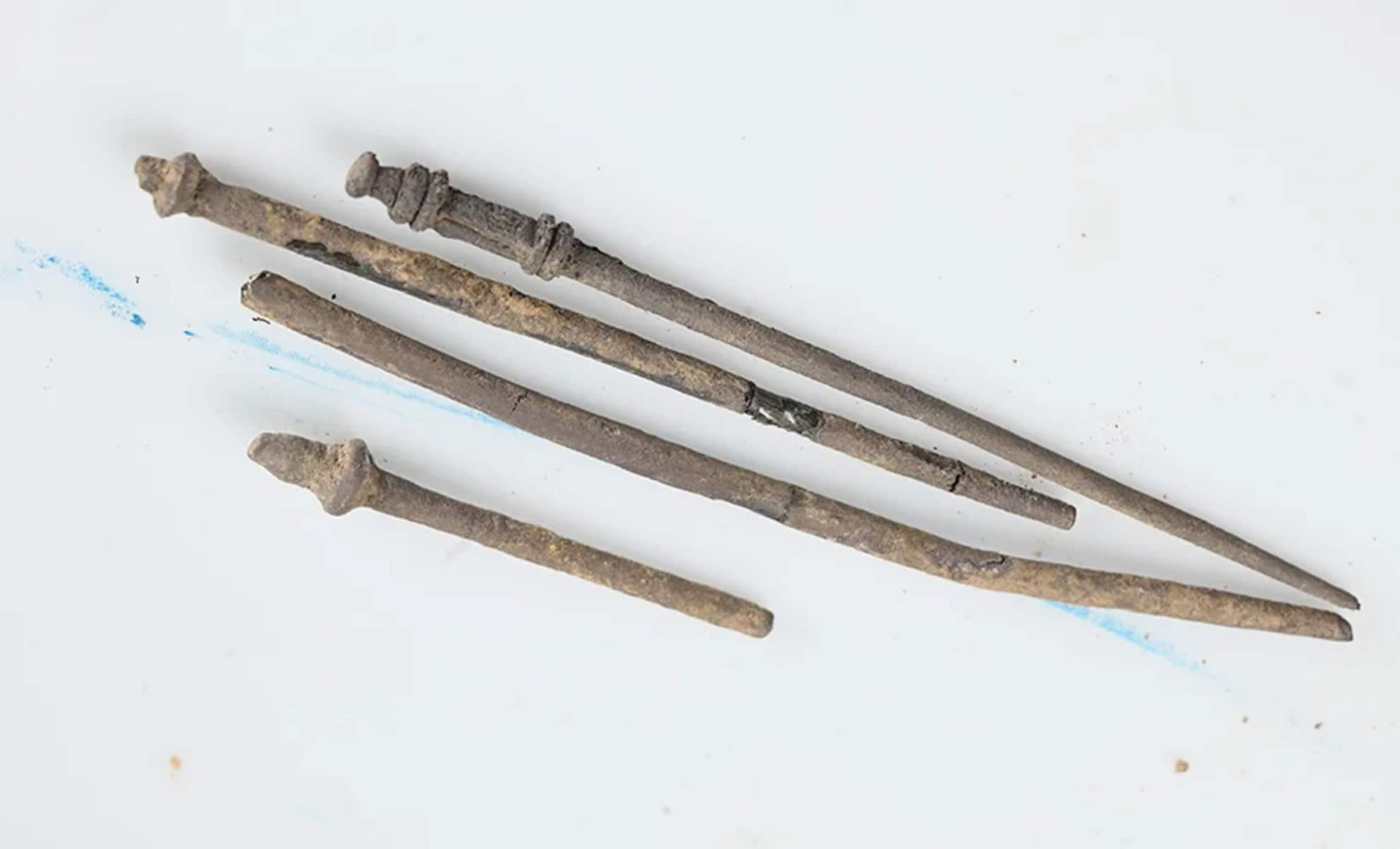
Preservation protocols stress the necessity of documenting hoards in their original positions to maintain accuracy in interpretation. Even minor dislocations can obscure whether items were amassed gradually or in a singular event — a factor critical for understanding economic and historical dynamics.
Due to the loss of some contextual information at the Borsum site, metal composition studies will now play an enhanced role. Researchers will analyze elemental traces in the silver to identify specific mines and trade routes involved in assembling the trove.
Insights into Frontier Era Economy
This discovery enriches knowledge about how wealth, security, and trade were managed in Roman borderlands. Situated near Kalkriese, the site of Rome’s famous 9 AD defeat, Lower Saxony was a contested zone throughout the first century, featuring intermittent Roman presence amid strong tribal control.
Coin hoards from this era are common on both sides of the frontier, often interpreted as responses to military threats, diplomatic exchanges, or . The scale and contents of the Borsum hoard indicate it might have served as a combination of personal savings and a mobile payment fund.
By comparing coin types, wear levels, and inscriptions with other caches in the region, scholars hope to determine if the hoard was connected to local trade, military supply chains, or diplomatic transactions involving valuable exchanges.
- Categories:
- News










0 comments
Sign in to Comment