
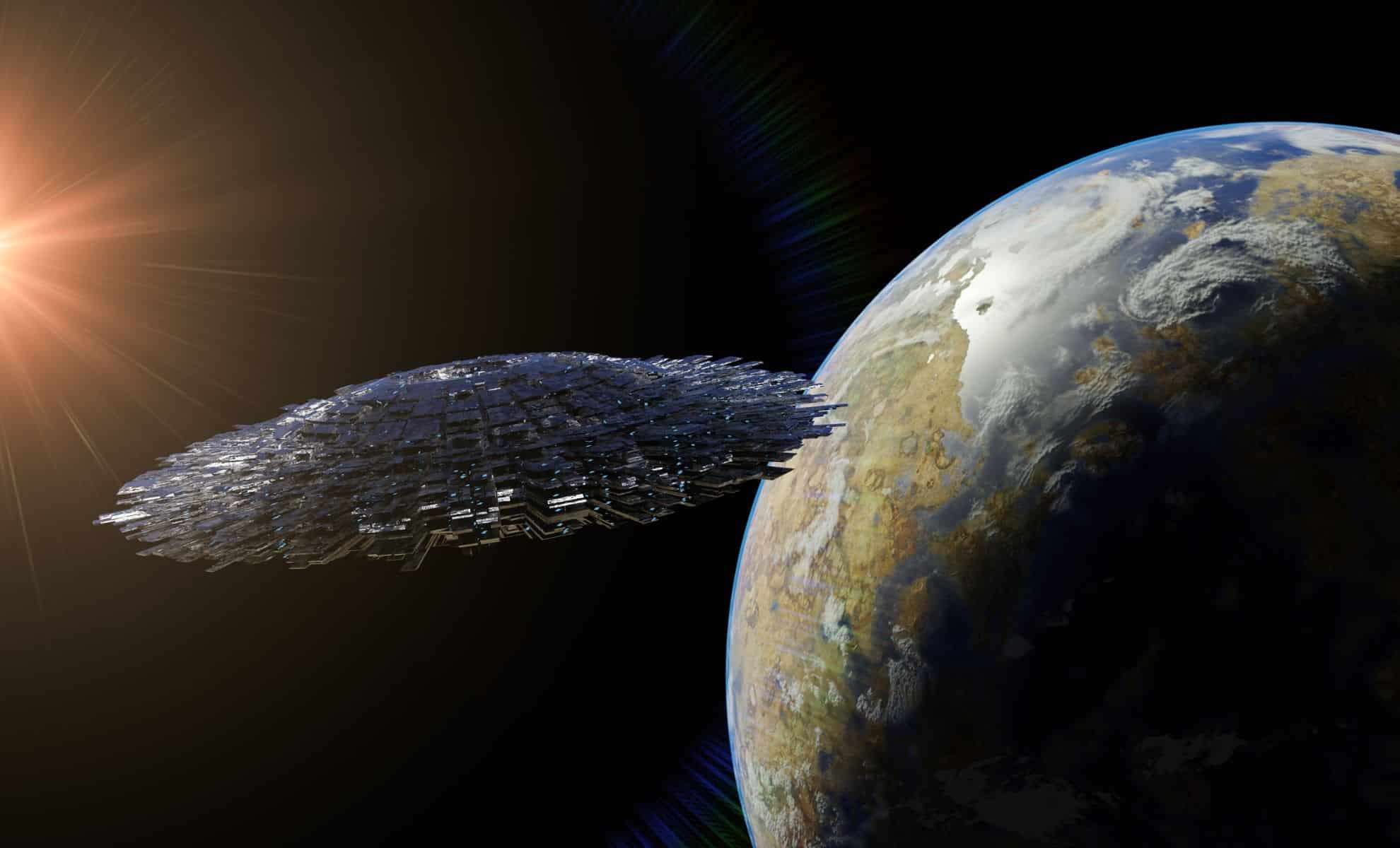
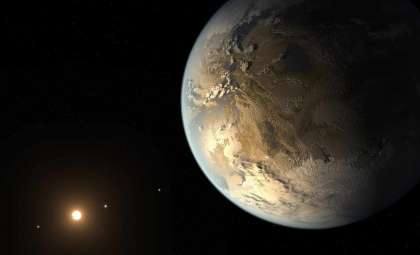
A recent study spearheaded by University of Arizona's astrophysicist and astrobiologist Daniel Apai offers a novel approach to the search for alien life. Moving away from the traditional focus on water-based habitability, this new framework evaluates survival dynamics tailored to specific organisms. The findings imply that extraterrestrial life might exist in environments closer than previously expected.
Personalized Criteria for Alien Survival
Historically, the search for habitable exoplanets has prioritized Earth-like conditions, mainly the availability of liquid water. Apai and his team have introduced a quantitative habitability framework that considers the unique requirements of individual species. Instead of relying solely on the presence of water, this model analyzes environmental factors like temperature, atmosphere, and metabolic needs.
The framework shifts the question from hypothetical life necessities to: “Can a specified (known or hypothesized) species or ecosystem persist under the actual conditions of a given environment?” This approach acknowledges life's diversity on Earth, recognizing that just as camels cannot endure Antarctica’s extreme cold, planetary conditions need not be Earth-analogous for life to exist.

Applying the Model to Familiar and Speculative Worlds
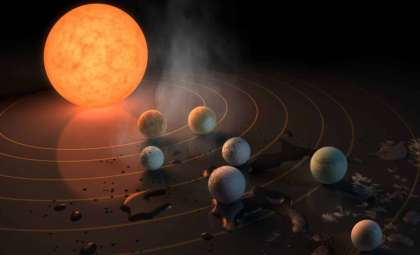
To test their concept, the researchers applied the model to TRAPPIST-1e, a well-studied exoplanet similar to Earth. Their analysis revealed that methanogens, some of the planet’s simplest microorganisms, could potentially survive with a habitat suitability index of 69%. Methanogens thrive in oxygen-free, harsh conditions, positioning them as top contenders in the quest for extraterrestrial microbes.
The investigation extended closer to home, evaluating the prospects for methanogens on Mars and Jupiter’s moon Europa. Methanogens may find up to 55% suitability on Mars’ surface and about 50% in Europa’s subsurface oceans, indicating these moons remain compelling targets despite not having the highest suitability scores.
Additionally, the model explored how cyanobacteria—or blue-green algae—might adapt to environments resembling TRAPPIST-1e’s, with suitability rates fluctuating between 13% and 80% depending on various factors.
Building a Comprehensive Catalogue of Extreme Life Forms
Moving forward, Apai’s team aims to compile a broad database featuring species that survive in Earth’s most inhospitable habitats, such as insects thriving in Himalayan altitudes and microorganisms inhabiting deep-sea hydrothermal vents. This database is expected to enhance predictions of where extraterrestrial life might flourish.
Beyond its theoretical value, this model has practical applications. Should astronomers identify biosignatures on distant worlds, Apai explains that this framework can help determine whether the environment could feasibly support the organisms responsible for those signatures.
Essentially, the framework urges a broader exploration beyond just Earth analogs. It opens the path to considering a wider array of planetary conditions where life, potentially very different from terrestrial forms, could exist.
- Categories:
- News





0 comments
Sign in to Comment