
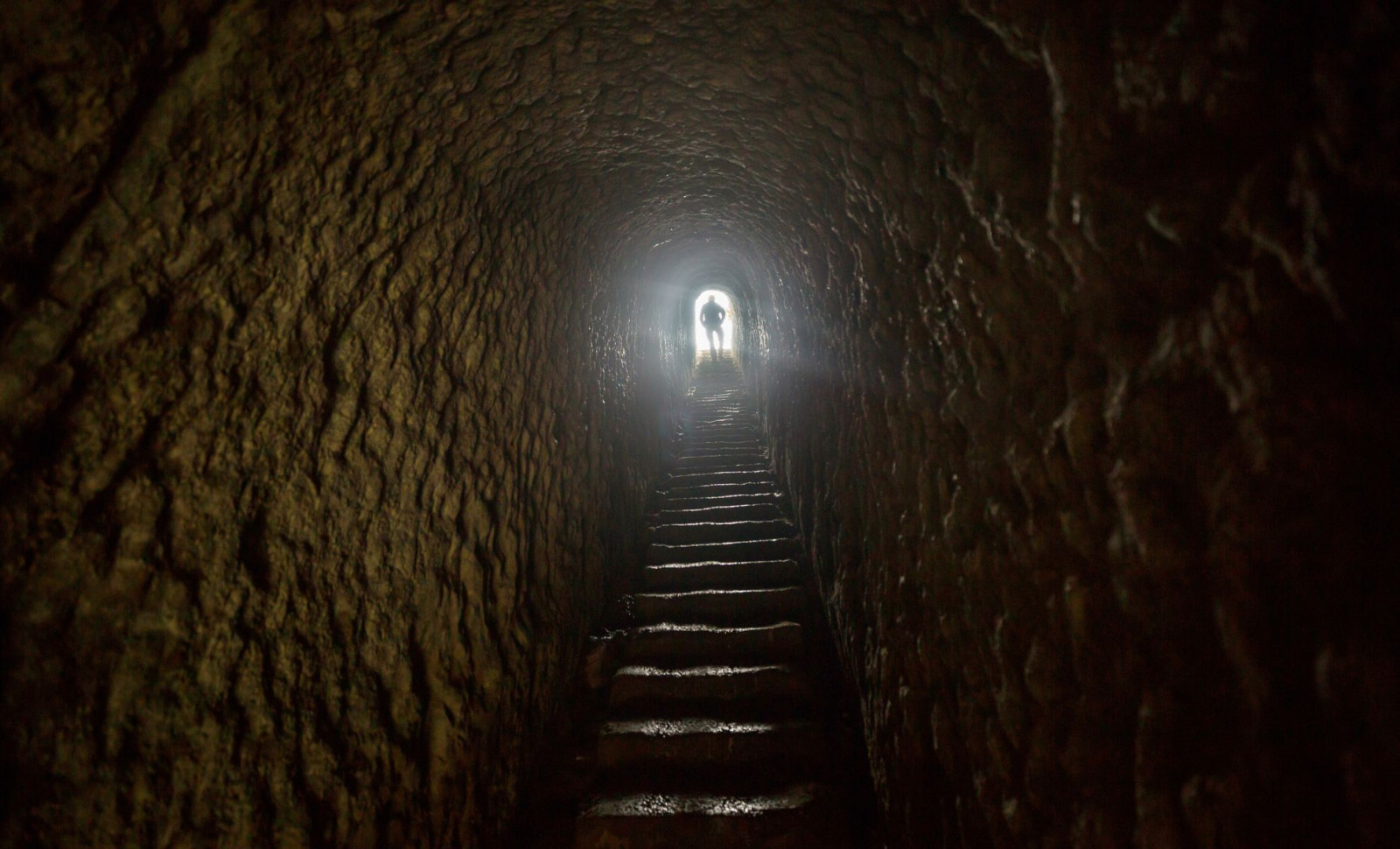
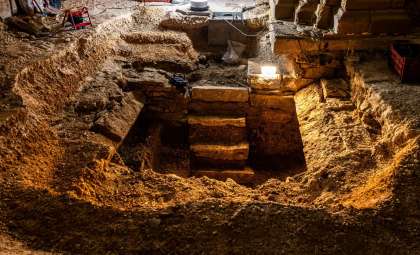
While repairing a historic church in France, researchers uncovered a concealed staircase revealing a sealed burial chamber that had remained undisturbed for over 400 years. What began as routine restoration evolved into a remarkable archaeological investigation reaching back to the 6th century.
This unique find occurred at the Church of Saint Philibert located in Dijon, an architectural gem dating to the 12th century Romanesque period. Initially, specialists were called in to address structural damage caused by a heated concrete slab added during renovations in the 1970s, which unexpectedly affected the building’s foundations.
Secret Burials Unearthed
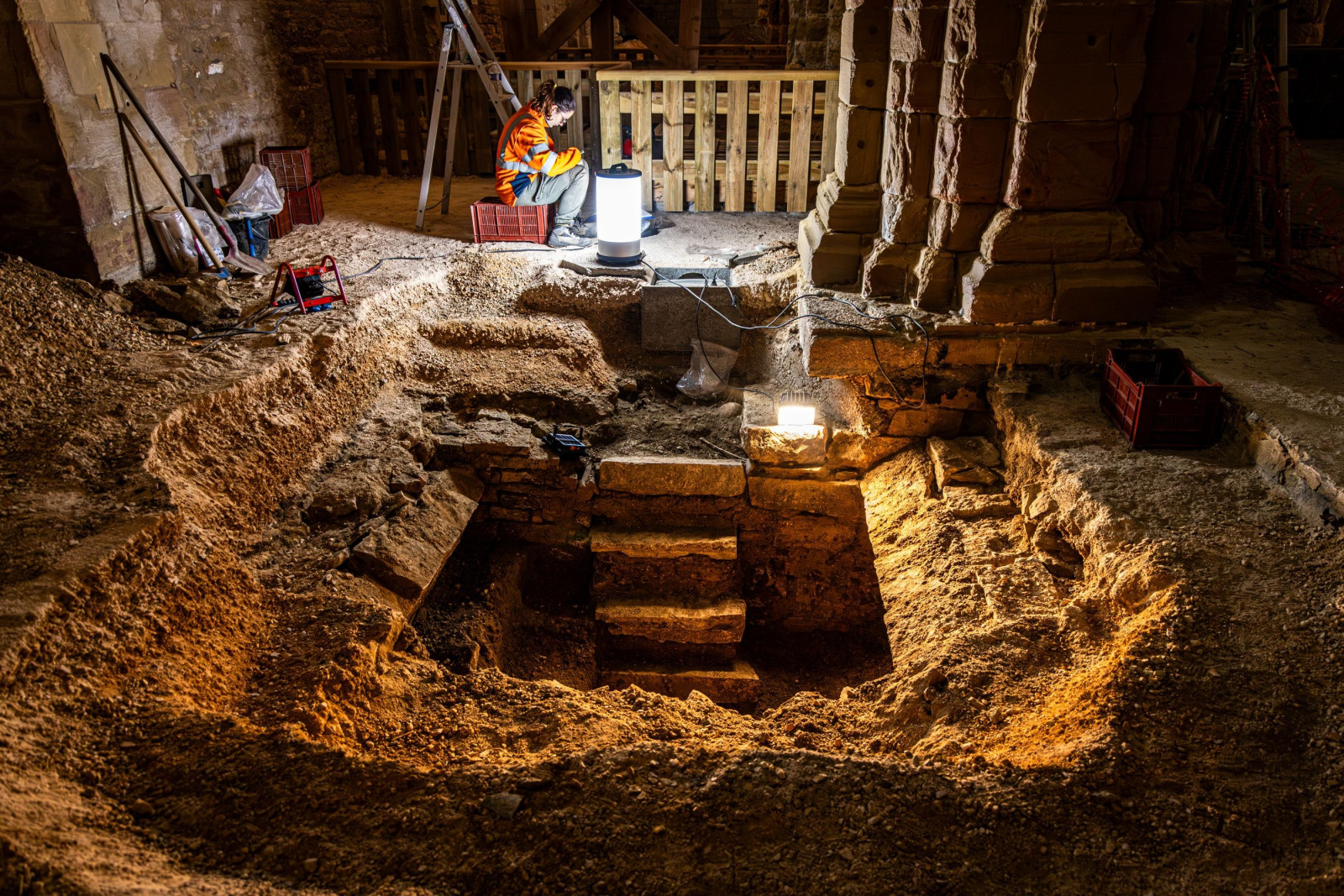
Leading the excavation, archaeologists Clarisse Couderc and Carole Fossurier described the crypt as housing simple graves without elaborate carvings or preserved epitaphs. As translated from the French National Institute for Preventive Archaeological Research (Inrap), the burial chamber likely dates back to the 17th century and had been overlooked through centuries of architectural modifications.

“In the transept, a vault, probably from the 15th-16th centuries, has been identified. In it, the deceased, children and adults, are buried in coffins, the bones of each individual being pushed to the sides to make room for the last deceased,” mentioned in the Inrap press release.
Instead of grand memorials, the site revealed a more communal resting place accessed by an abandoned staircase.
“Very few objects were found in the tombs apart from rare coins and two rosaries.” These details suggest that the site may have served not only clergy but also ordinary citizens.
Medieval Burial Discoveries
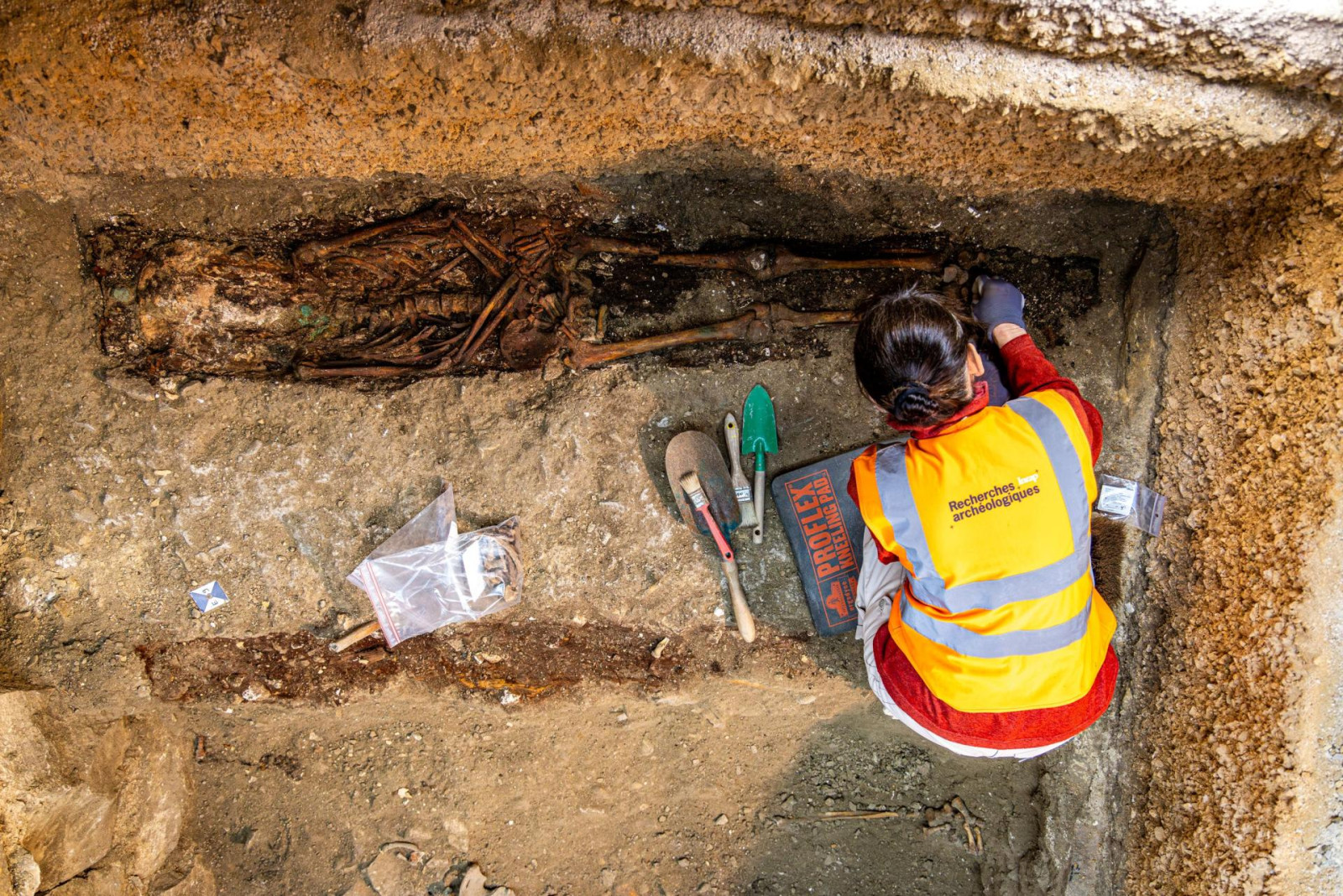
While uncovering this 400-year-old crypt was surprising, further digging unearthed even older relics. Researchers found stone slab graves dating between the 11th and 13th centuries, expanding the site's historical depth. Significantly, they discovered six sarcophagi, some with intricate carvings, believed to date back to Late Antiquity and Merovingian times.
According to a report in Popular Mechanics, these sarcophagi predate the current church by several centuries. They appear to have originated from an earlier structure, signaling the site's long-standing sacred importance spanning over a millennium.
Church Foundations from Earlier Eras
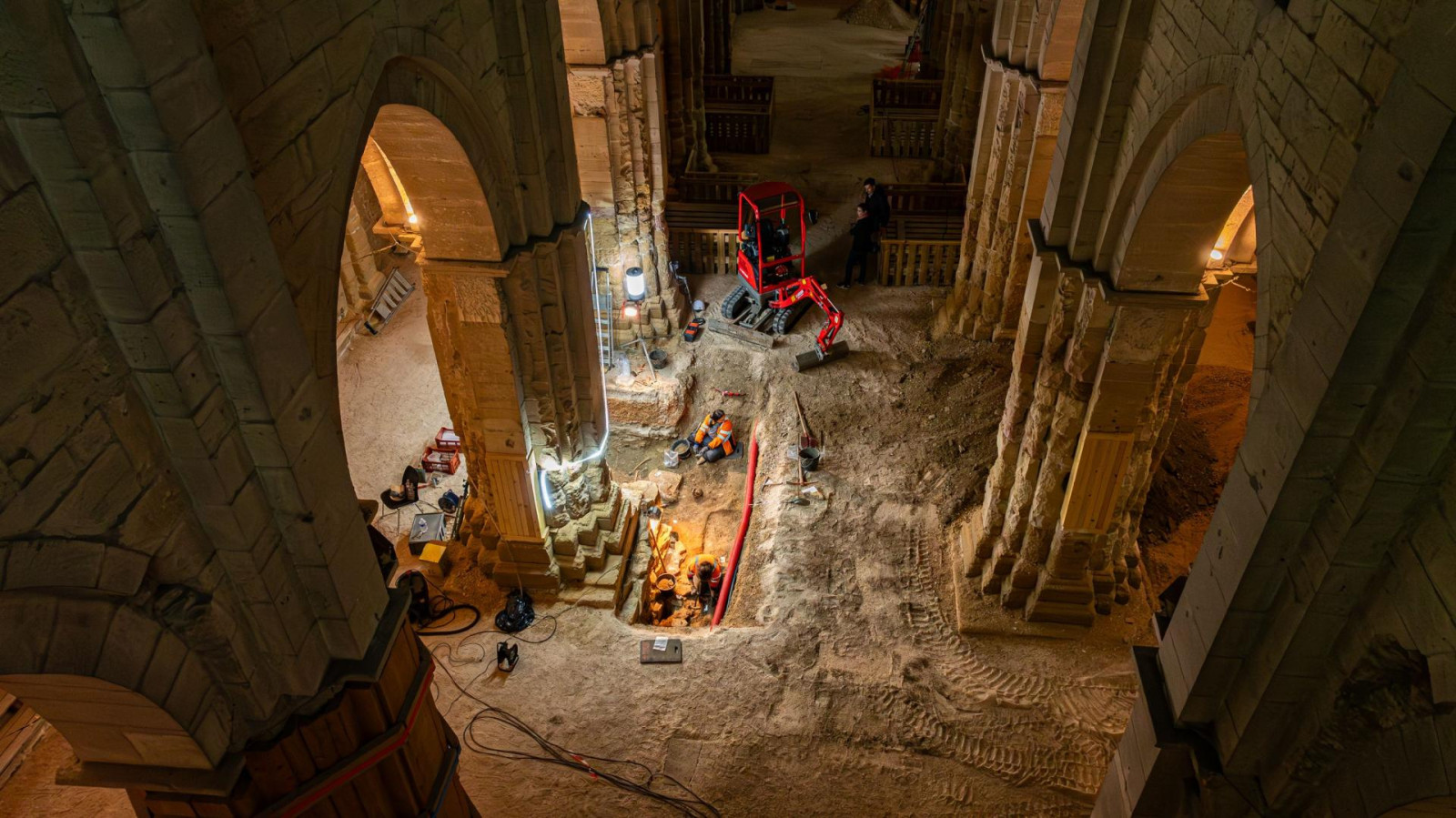
In addition to the burials, the team discovered remnants of foundations and walls fashioned in 10th-century herringbone masonry style. Inrap experts believe these fragments could belong to an ancient church noted in 1923 excavations but never thoroughly investigated. These architectural elements indicate multiple phases of reconstruction, layering religious structures over one another through centuries.
Throughout the stratified excavation, archaeologists revealed traces of spiritual activity dating back more than a thousand years, all accessed through a forgotten staircase buried beneath the church floor—a place once overshadowed by flawed restoration efforts.
- Categories:
- News












0 comments
Sign in to Comment