
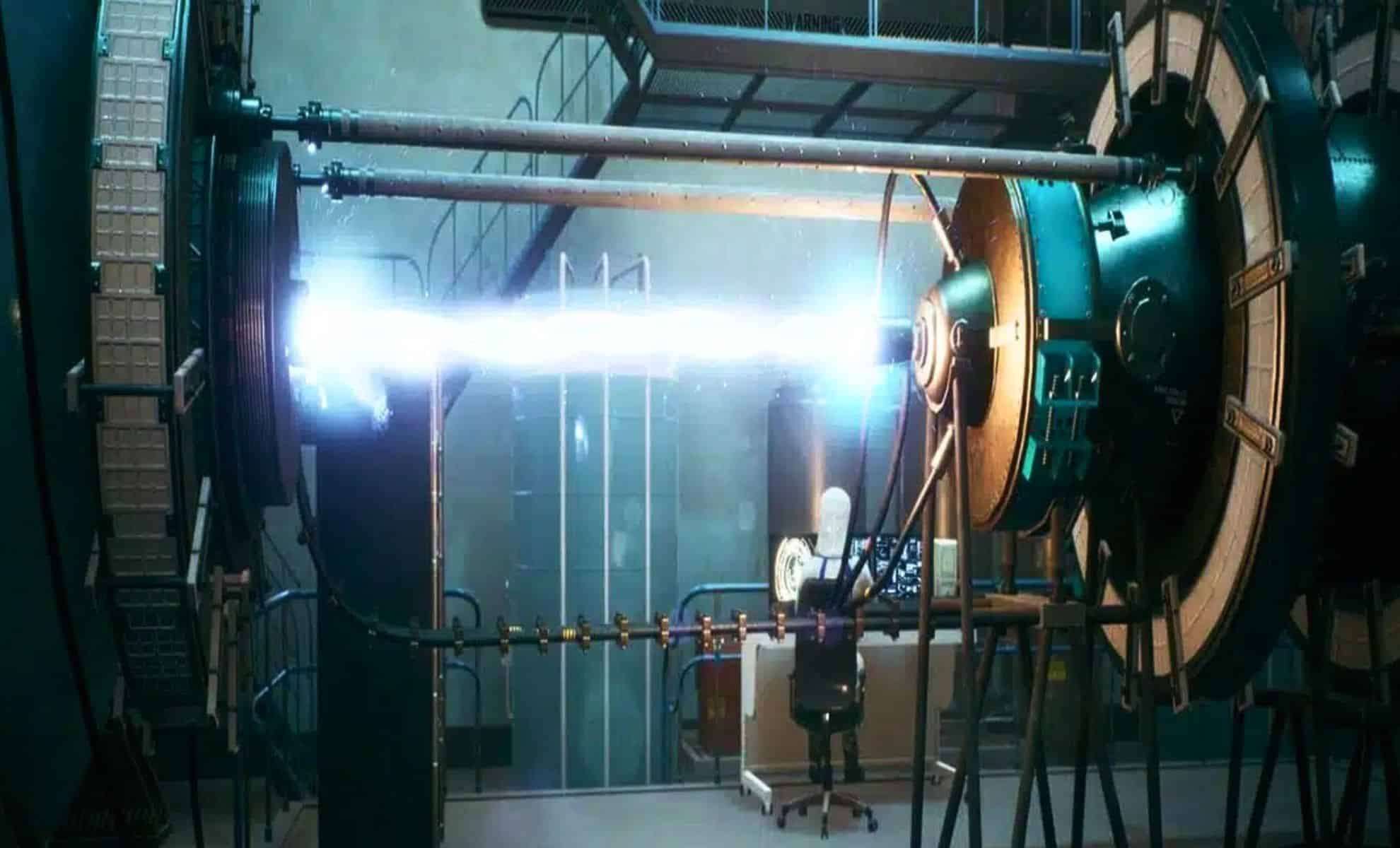
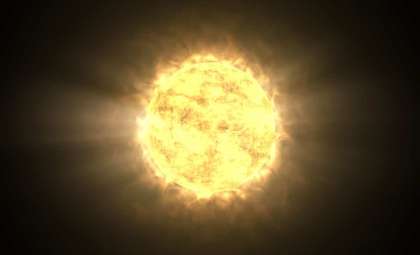
Near the city of Bordeaux, a major French technology firm has launched an exciting initiative to create an artificial sun on Earth. This endeavor is led by Thales, a worldwide authority in sophisticated electronics and defense technologies, through its recently founded division called GenF.
On May 15, an event brought together leaders, scientists, and government representatives to mark the beginning of this project, which aims to develop a nuclear fusion reactor utilizing inertial confinement driven by high-powered lasers—a method extensively studied but not yet fully realized in practical energy production. Supported by an initial €18.5 million investment from the French government, GenF embarks on a mission with a specialized team and a long-term development plan spanning a decade.
Laser-Based Fusion Reactor Technology
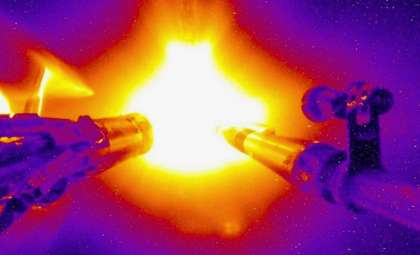
GenF focuses on laser-driven inertial confinement fusion, a technique where intense, coordinated laser bursts target a tiny fuel pellet, causing rapid compression and heating that fuses atomic nuclei, generating energy. In contrast to conventional nuclear fission, fusion produces minimal radioactive waste and presents lower meltdown risks.

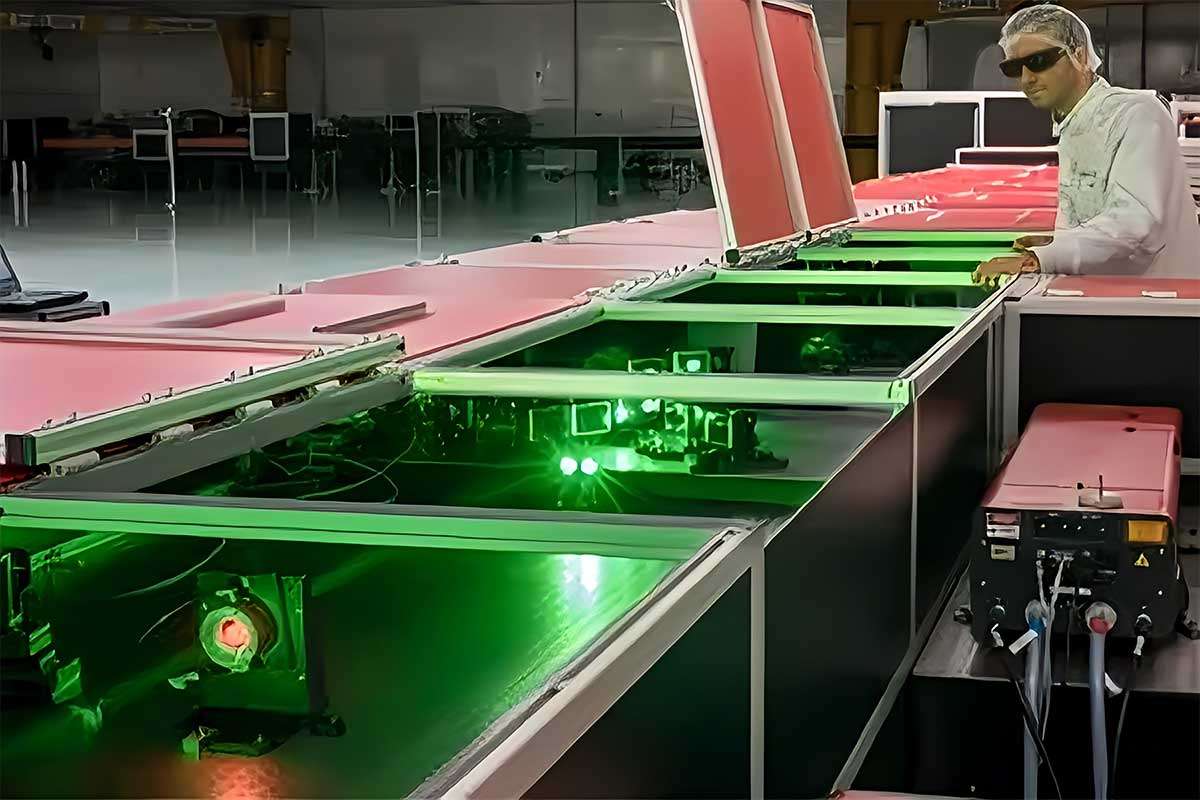
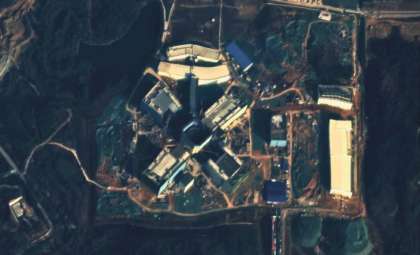
The project will capitalize on the Laser Mégajoule (LMJ), an advanced research installation operated by the Commissariat à l’énergie atomique et aux énergies alternatives (CEA). Previously dedicated to defense and research goals, the LMJ facility will now serve to recreate fusion conditions and conduct critical experiments. Thales has played a key role in developing cutting-edge laser technologies used at LMJ.
Collaboration with Top Research Institutions and Local Authorities
This initiative draws on a broad collaborative network. GenF is partnering with leading scientific organizations such as the CEA, École Polytechnique, and the Centre National de la Recherche Scientifique (CNRS). Additionally, the regional government of Nouvelle-Aquitaine supports the project, aligning with France’s strategic goal to emerge as a front-runner in sustainable energy innovation.
Chosen through a competitive selection process in February 2024, the startup benefits from experts and facilities that would be difficult to develop alone, enhancing its capacity to push fusion research forward.
Leveraging Four Decades of Laser Innovation by Thales
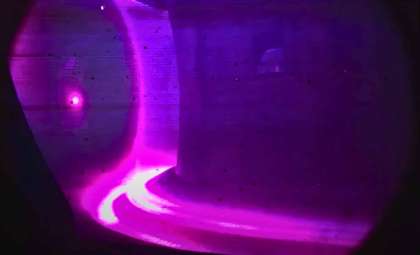
Unlike many global fusion initiatives focusing on magnetic confinement methods such as those employed by ITER, Thales applies its extensive expertise in high-energy laser technology. With over 40 years in laser system development and contributions to international projects including ITER through its electronic tube technologies, the company is uniquely positioned for this endeavor.
GenF’s success depends on precise laser beam control and advanced engineering capabilities, with near-term goals centered on enhancing laser pulse synchronization and producing durable materials that tolerate the extreme environments inside a fusion reactor.
Stepwise Development Toward a Functional Reactor Prototype
The project roadmap includes three phases. By 2027, GenF plans to finish initial simulations and experimental testing, including using the LMJ facility. From 2027 to 2035, an extensive development phase will refine key components such as fuel targets, material resilience, and laser timing technologies.
The final stage, anticipated to start in the mid-2030s, involves building a working prototype. Though detailed operational targets remain confidential, this marks one of France’s most substantial commitments to realizing inertial confinement fusion energy, a technology that has seen progress amid formidable challenges worldwide.
Currently staffed by about ten core experts and supported by around 40 collaborators, this team is expected to expand as the project advances through critical milestones.
- Categories:
- Science



0 comments
Sign in to Comment