
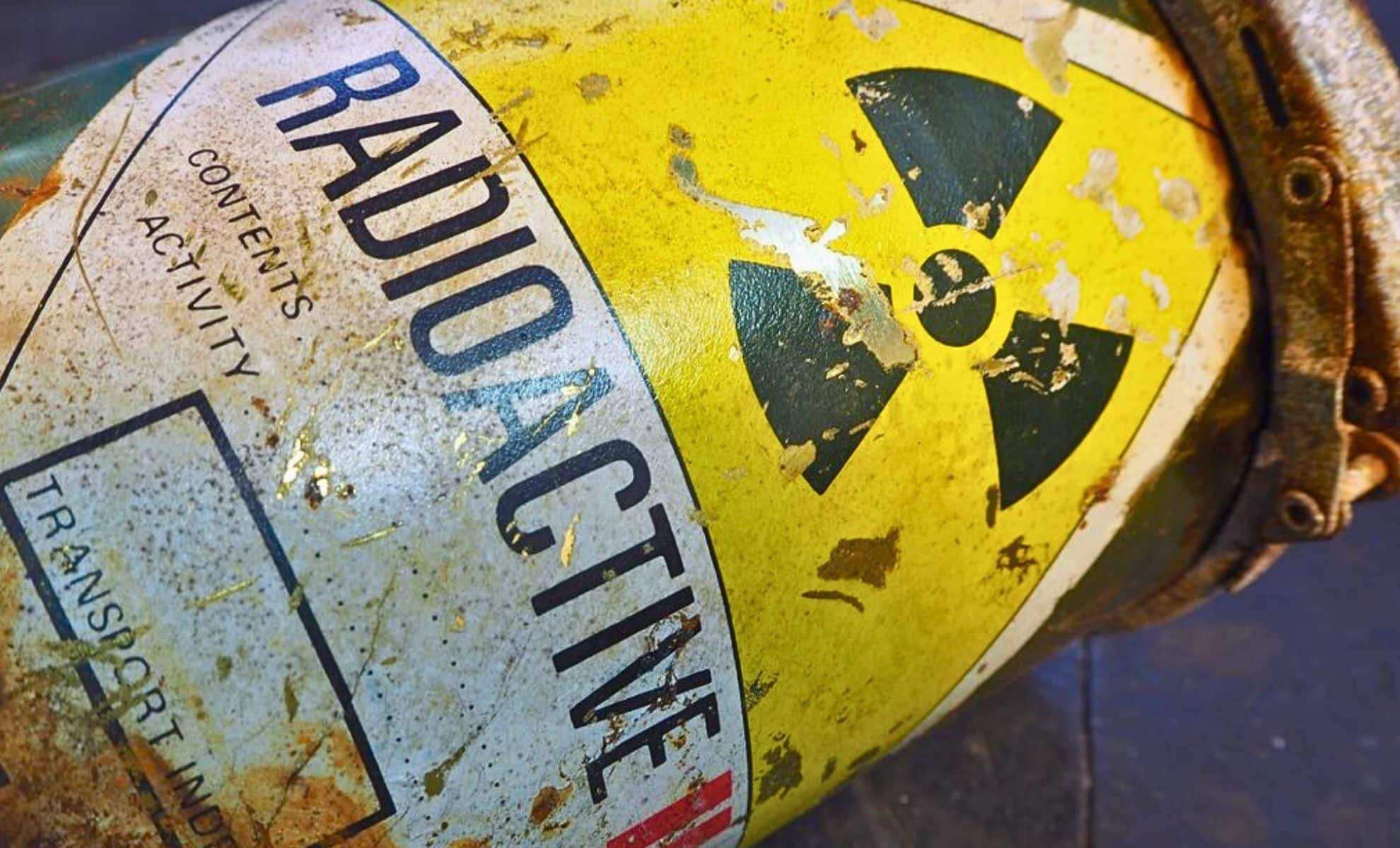
At just 17 years old, David Charles Hahn of Michigan stunned the public in 1994 by assembling a nuclear reactor inside his mother’s backyard shed. Known later as the Radioactive Boy Scout, Hahn showed remarkable creativity but also highlighted the dangers of uncontrolled access to sensitive scientific knowledge. His rudimentary breeder reactor produced alarmingly high radiation levels, sparking widespread discussions about safety, legality, and the limits of homegrown science. Was Hahn a gifted prodigy or someone who took a hazardous experiment too far?
The Making of a Young Nuclear Enthusiast
Hahn’s fascination with nuclear science began when he was 15, leading him to tackle progressively complex projects. His ultimate ambition was to construct a breeder reactor, a device designed to generate more fissile material than it uses. Posing as a high school science teacher, Hahn reached out to experts in the nuclear industry, including Donald Erb, then heading isotope production at the Nuclear Regulatory Commission (NRC). Erb inadvertently provided valuable advice, including:
- A catalog of isotopes capable of sustaining chain reactions.
- Guidance on neutron generation with beryllium.
- Information on costs and sources for acquiring radioactive substances.
David Hahn, known as the "Radioactive Boy Scout," was a Michigan teenager who, in 1994 at age 17, attempted to build a nuclear reactor in his backyard using radioactive materials from household items.
His project caused dangerous radiation levels, leading the EPA to dismantle… pic.twitter.com/a8fWDCW0Ww— Morbid Knowledge (@Morbidful) September 12, 2024Add Cosmo Herald as a Preferred Source

Hahn gathered radioactive materials from everyday products, salvaging americium from smoke detectors, thorium from camping lantern mantles, and radium from old clock dials. He combined these items to create a basic reactor core capable of triggering nuclear chain reactions.
“All I had to do was go out and get the materials,” Hahn later reflected, emphasizing how easily he sourced components for his risky project.
Main Elements Used in the Reactor
Consequences: Radiation Hazards and Legal Action
The reactor produced radiation levels exceeding safe limits by more than 1,000 times, polluting Hahn’s backyard and placing him at severe health risk. In August 1994, when authorities stopped Hahn for a minor traffic violation, radioactive materials were found in his vehicle. This discovery prompted intervention from multiple agencies, including the FBI, EPA, and Department of Energy, who designated the location as a Superfund cleanup site due to contamination.
Though no criminal charges were pressed against Hahn, the incident exposed weaknesses in regulation regarding the availability of hazardous materials. Sadly, Hahn’s exposure and subsequent health issues are believed to have contributed to his mental health struggles and his death in 2016 at 39 years old.
Debate Within the Scientific World
The scientific community remains split on Hahn’s legacy. Some view his efforts as a shining example of youthful brilliance and scientific passion, while others condemn the disregard for safety, seeing it as a cautionary example of unsupervised experimentation.
“Science without oversight is like fire in the wrong hands,” said Dr. Emily Richards, a nuclear safety specialist, highlighting the fine line between inspiration and danger inherent in such experiments.
Moving Forward: Balancing Innovation With Safety
Hahn’s episode highlights the pressing need for tighter control over access to dangerous materials alongside encouragement of young scientists under safe conditions. Educational institutions and governments must find ways to foster creativity without compromising public health.
Promoting Safe Scientific Exploration
Suggested measures to support responsible innovation include:
- STEM mentorship programs: Offering guidance and proper oversight for complex projects.
- Regulated experimental competitions: Creating secure environments where safe experimentation is encouraged.
The daring but risky experiment by David Hahn remains both an inspiration and a stern warning. It poses an important question: how can society nurture emerging scientific talent without jeopardizing safety?
- Categories:
- Science
















0 comments
Sign in to Comment