
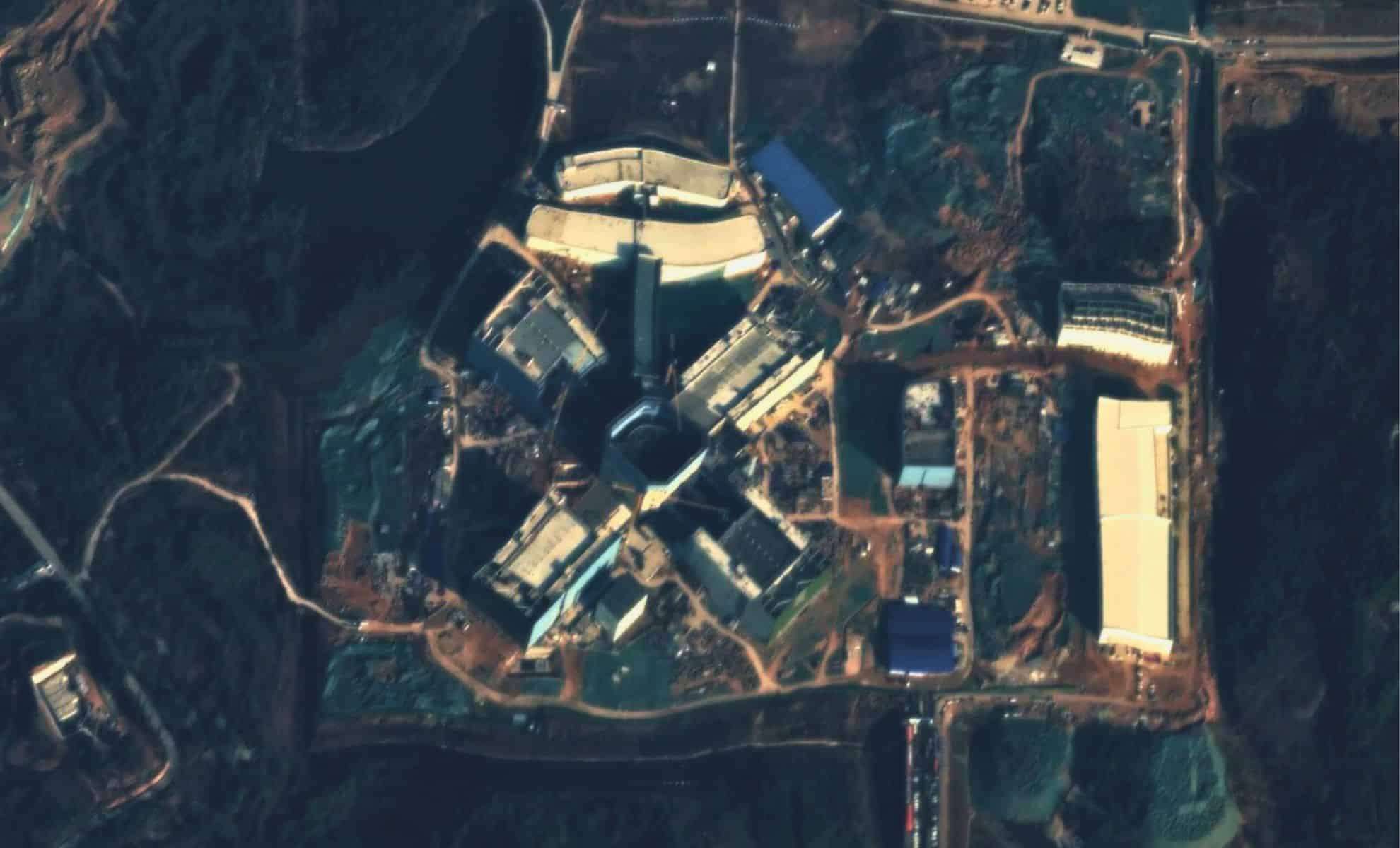
New satellite photos have uncovered a colossal laser-based nuclear fusion laboratory under construction in China’s Mianyang, signaling a significant leap in the global race for fusion energy and strategic superiority. This ambitious effort could reshape the future landscape of energy and defense technology worldwide.
China’s Fusion Complex Surpasses U.S. Facility by Half in Size
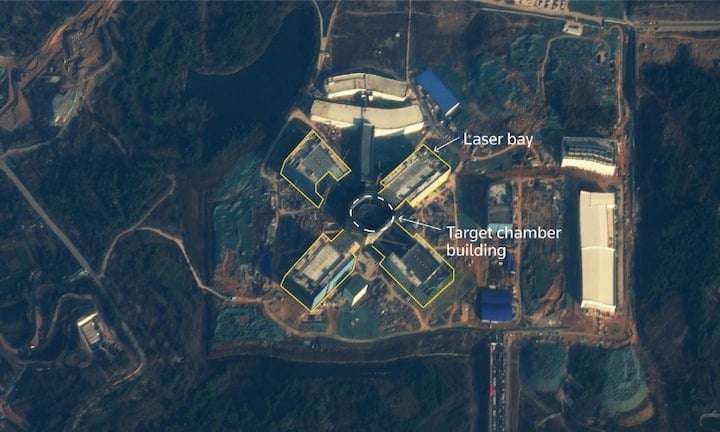
The site in Mianyang, highlighted by Reuters satellite image analysis, boasts a scale approximately 50% larger than California’s renowned National Ignition Facility (NIF), the current global leader in laser fusion experiments.
This notable expansion underscores China’s determined goal to dominate this crucial scientific arena. The lab will incorporate state-of-the-art laser bays and an expansive target chamber, key components for emulating the extreme fusion reactions found within stars.

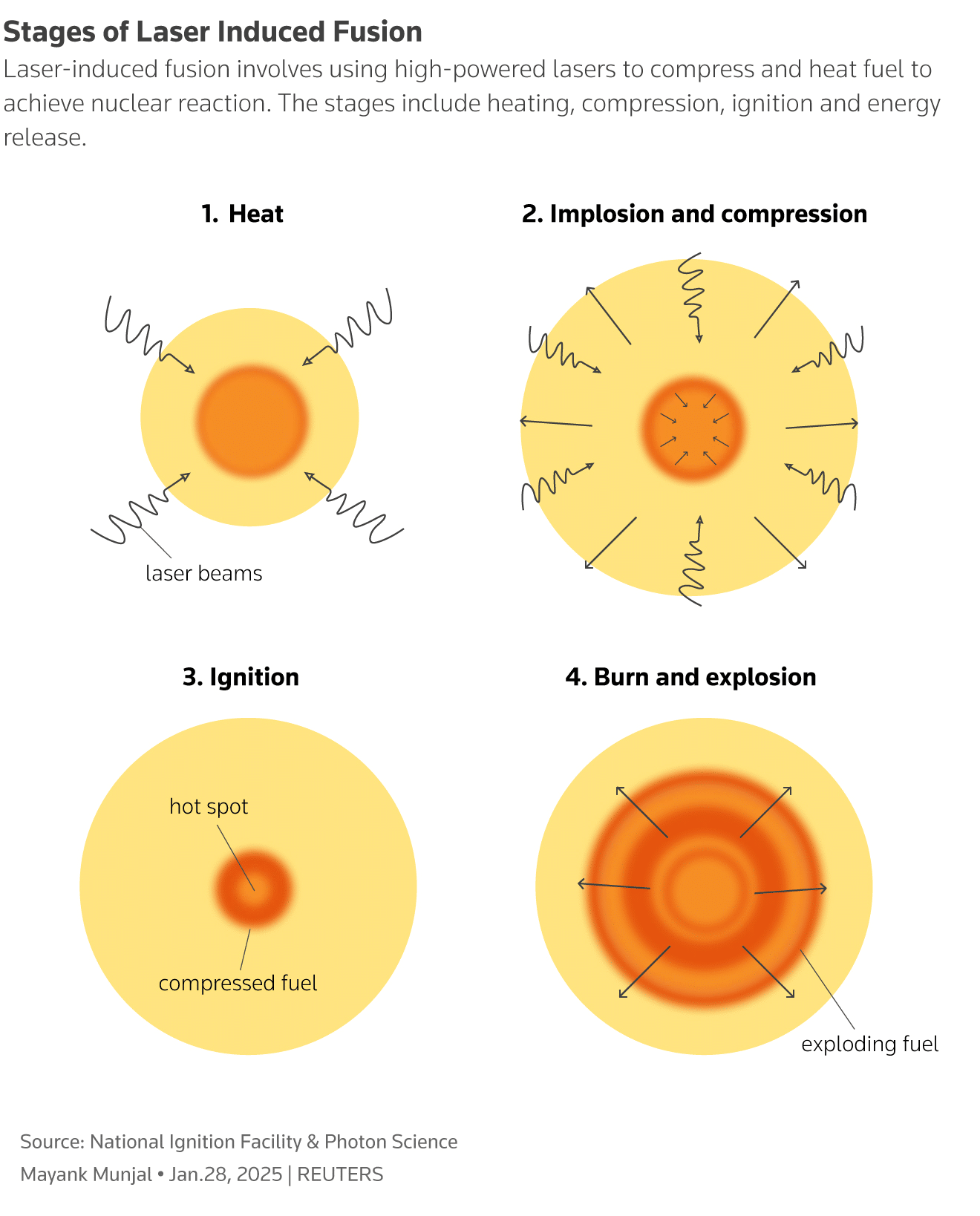
Laser-driven nuclear fusion, the method adopted by the facility, is a promising route toward harnessing nearly limitless, clean energy. The technique utilizes concentrated ultra-intense laser pulses aimed at fuel targets composed of hydrogen isotopes, enabling the initiation of fusion reactions that emit substantial energy.
The article describes how experts strive to “recreate the stellar reactions with high precision,” pushing the limits of current fusion technology. This project aims to establish Mianyang as a leading hub for China’s ambitions toward energy self-sufficiency.
This enormous undertaking fits within China’s wider strategy to cut its reliance on fossil fuels and enhance its position in advanced scientific innovation. The report emphasizes that “this facility might become the focal point of China’s future energy plans.”
Heavy investments by China in emerging energy technologies over the past decade position this lab as a potential cornerstone of the country’s rise as a fusion research powerhouse.
Military Applications: The Dual-Use Potential of Fusion Lasers
Aside from energy objectives, the Mianyang site introduces important defense-related concerns. Laser fusion technology can closely mimic thermonuclear detonations, allowing researchers to gather vital insights into nuclear weapon dynamics without conducting actual explosions.
According to Decker Eveleth from the CNA Corporation, the technology embodies “a fundamental dual nature.” He states:
“Laser fusion allows for the precise simulation of thermonuclear reactions, offering valuable data for the development and modernization of nuclear arsenals without conducting full-scale tests.”
Similar to the NIF in the United States—which serves both energy research and nuclear stockpile stewardship—China’s facility may boost its military technological edge, reinforcing its standing on the global stage.
Accelerating the Worldwide Competition in Fusion Technology
This milestone amplifies the scientific contest among fusion research programs globally. In 2022, the NIF accomplished a historic feat by producing more fusion energy than the input energy—a breakthrough first in the world. China’s swift development of an even larger facility indicates its intent to break new ground in this fiercely competitive field.
Countries such as France, Russia, and the United Kingdom, all with advanced fusion centers, are closely watching China’s progress. The article highlights that the “fusion technology race promises to reshape global energy landscapes in the coming decades.”
With rising stakes, the international community debates whether collaboration or rivalry will drive fusion advancements. The complexity of fusion demands cooperative approaches, yet “competition often fuels innovation,” as noted in the article.
Global scientists concur that a fusion breakthrough could revolutionize energy supply systems worldwide, though such progress may rely on shifting from competition toward partnership.
Shaping a Future of Multipolar Energy Leadership
The Mianyang fusion facility represents more than a scientific endeavor—it embodies China’s long-term vision. By developing mastery over nuclear fusion, China aims to lead the upcoming energy revolution while reducing carbon footprints and playing a pivotal role in setting environmental and tech policies globally.
Success here could allow China to influence future global energy markets extensively, affecting pricing and climate strategies. In the modern era, technological supremacy correlates with geopolitical influence, positioning Mianyang as a symbol of multipolar global power.
This initiative brings together energy, science, and military strength, indicating a future where control over fusion energy could define the century ahead.
- Categories:
- Science










0 comments
Sign in to Comment