
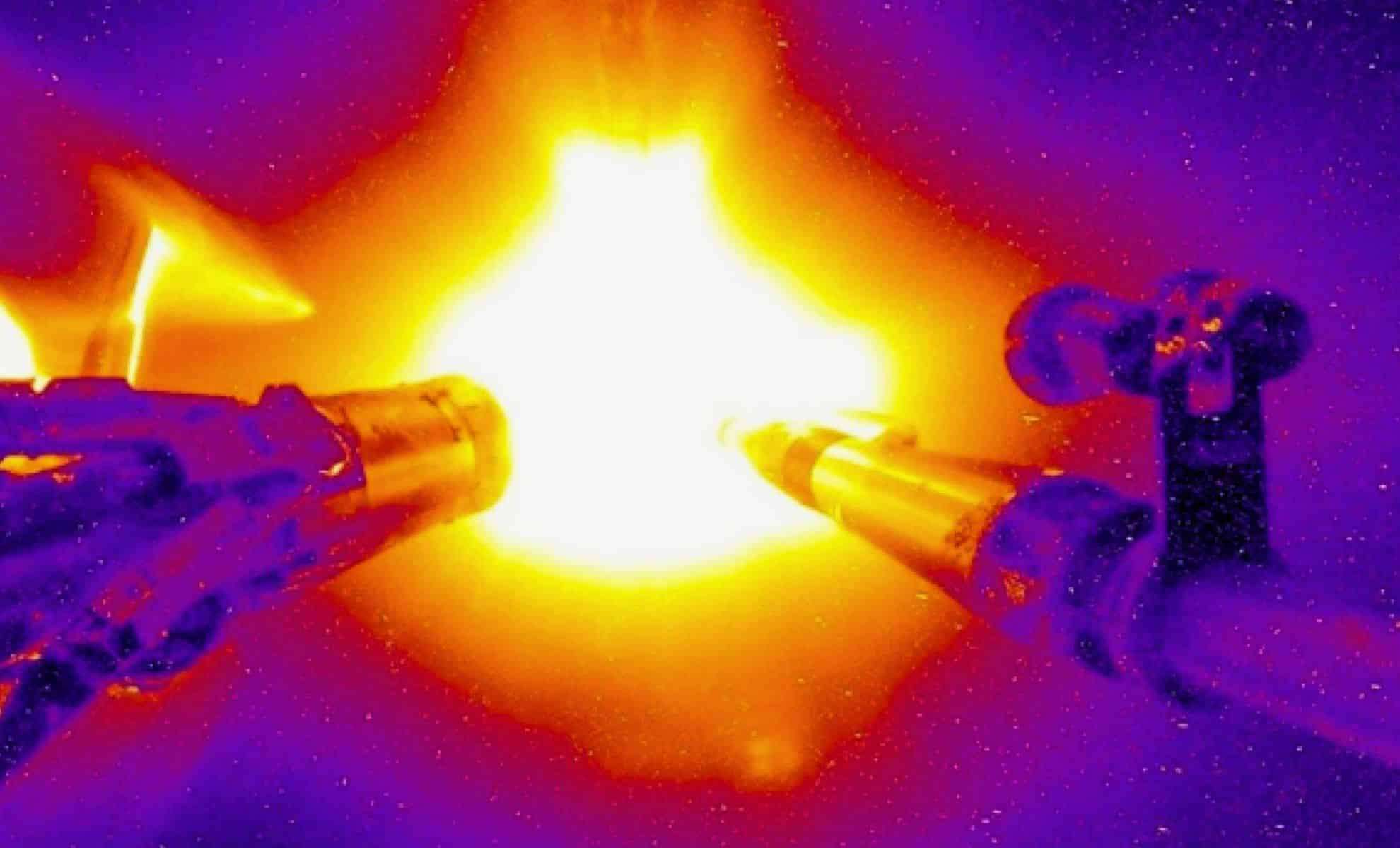
In Mianyang, China, a colossal new facility is under construction, attracting widespread attention and unease internationally. Detected recently by U.S. reconnaissance satellites, this installation is reportedly 50% larger than the United States’ National Ignition Facility, the current global leader in fusion laser technology. While fusion is often championed as a revolutionary source of clean energy, the secretive nature and vast scale of China’s project invite questions beyond energy production.
The Quest for Unlimited Energy
Laser fusion is among the most cutting-edge scientific endeavours today. Unlike traditional nuclear fission reactors, which generate power by splitting atoms, fusion combines atomic nuclei to release tremendous heat and energy. The technique known as inertial confinement fusion—employed at the National Ignition Facility—uses powerful lasers to compress a microscopic hydrogen fuel pellet to initiate fusion, resulting in energy output greater than the input.
This method contrasts with magnetic confinement fusion, demonstrated by projects like ITER in France and EAST in China, which rely on intense magnetic fields to contain plasma for continuous energy generation. Laser fusion operates in rapid, high-intensity bursts, opening doors to applications beyond steady energy production.

Why China’s Fusion Project Raises Global Concerns
Global attention surged when the National Ignition Facility successfully reached fusion ignition in 2022, generating a net energy gain. According to satellite imagery, China seems poised to surpass this milestone with a facility boasting four vast laser bays focusing on a central reaction chamber, mirroring but greatly expanding upon the American design.
Beyond its promise for clean energy, laser fusion holds significant strategic value as it enables simulation of nuclear explosions. With underground nuclear tests banned by the Comprehensive Nuclear Test Ban Treaty, advanced laser systems offer a way to virtually test nuclear weapons. This dual capacity places China’s initiative at the intersection of energy innovation and national defense imperatives.
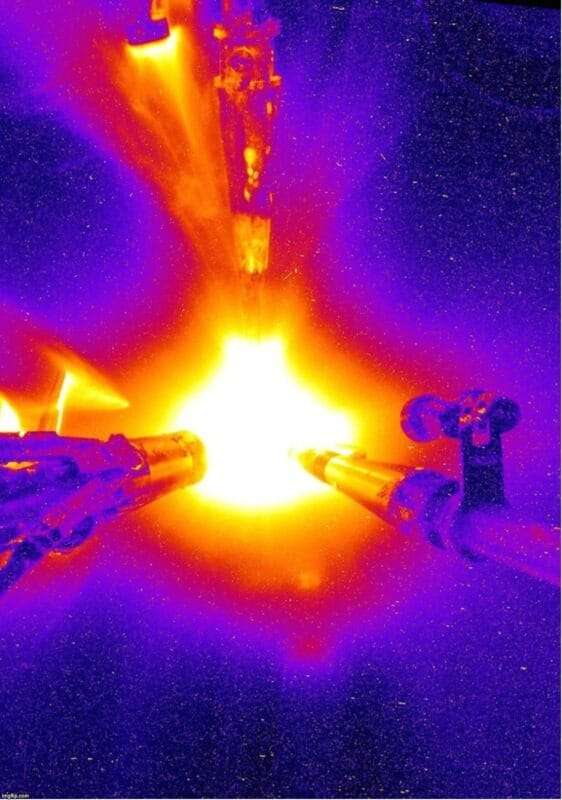
What’s Behind China's Silence?
While Beijing has been transparent about its investments in magnetic fusion programs—like EAST and CFETR—that emphasize its commitment to leading in sustainable energy, the details surrounding the Mianyang laser fusion site remain tightly controlled and obscure.
This opacity has led experts to suspect the site serves a dual-use purpose, simultaneously advancing fusion energy research and enhancing military capabilities. Surpassing U.S. simulation abilities could provide China a pivotal advantage in creating next-generation thermonuclear arms without physical detonation testing.
An Emerging Fusion Arms Race?
China has made rapid progress in military technologies, including hypersonic weapons, AI-powered combat systems, and space defense platforms. Their growing fusion capabilities could ignite a new global competition—a fusion arms race—that might transform international power balances.
As fusion technology accelerates, the critical question is not if it will revolutionize energy and defense but who will command its capabilities first.
- Categories:
- Science










0 comments
Sign in to Comment