
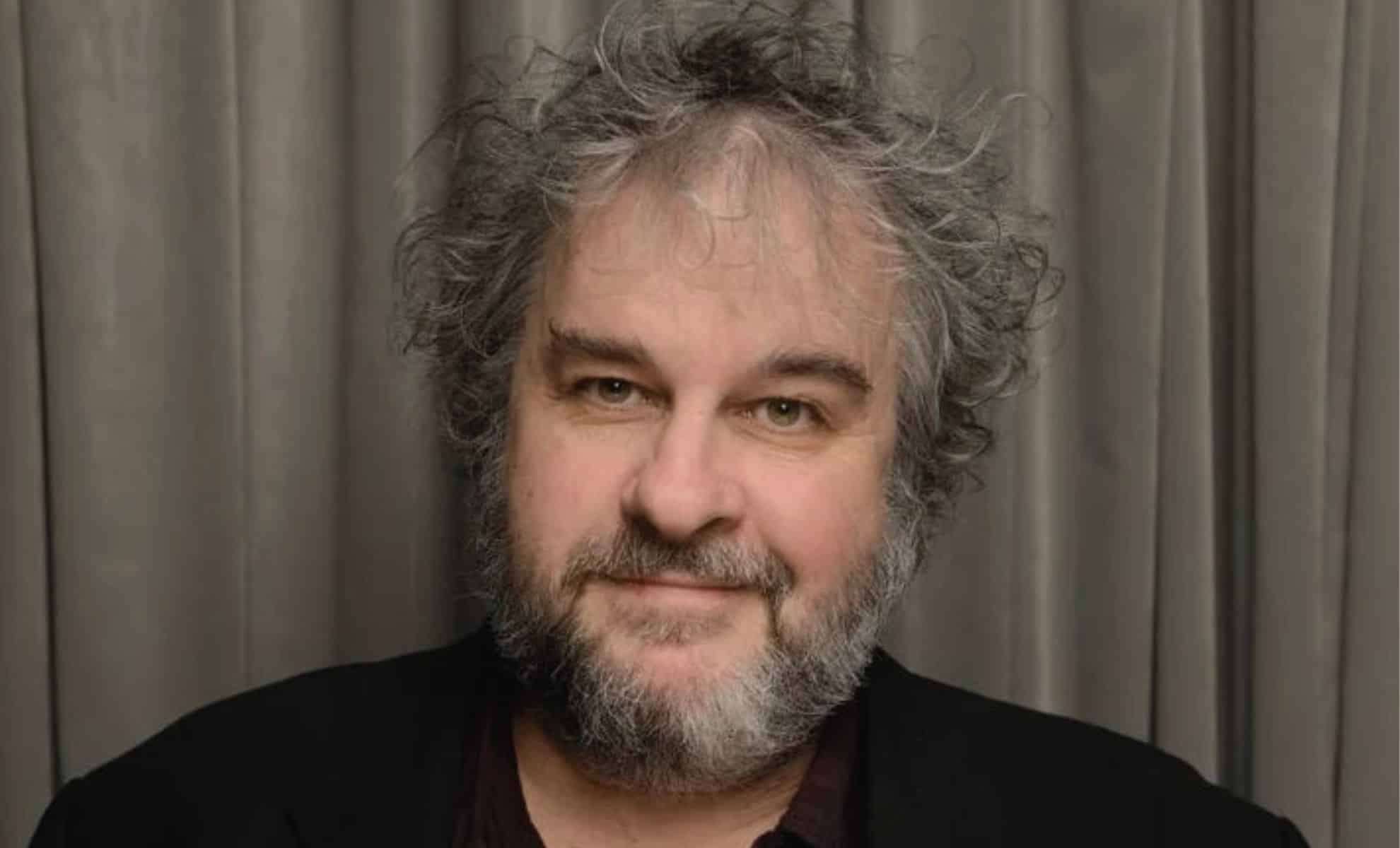
Peter Jackson, the acclaimed director known for The Lord of the Rings, has partnered with Colossal Biosciences, a frontrunner in genetic innovation, to embark on a venture that feels like science fiction come to life. Together, they seek to revive the giant moa, the largest bird to have ever existed, which once roamed the forests of New Zealand. This groundbreaking initiative blends high-tech science with profound cultural significance, particularly for the Māori people, for whom the moa holds strong ancestral meaning.
Reawakening an Ancient Giant
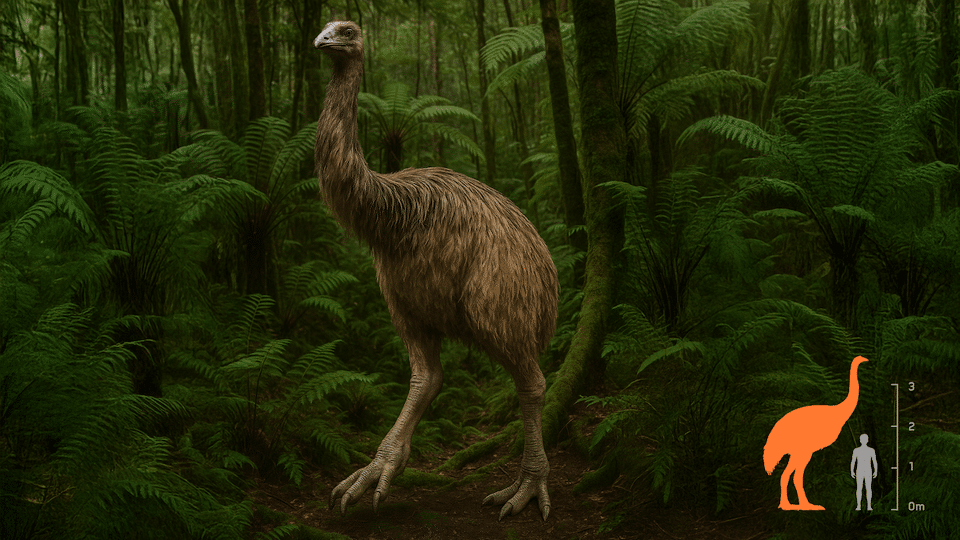
The colossal moa, standing as tall as 11 feet (3.35 meters) and weighing about 500 pounds (227 kg), vanished soon after Polynesian settlers arrived in New Zealand in the late 13th century.
Within a mere century and a half, all species of moa had disappeared from the islands. Now, through a fusion of modern biotechnology and indigenous heritage, Peter Jackson and Colossal Biosciences are harnessing next-generation genome editing to bring back this emblematic bird.

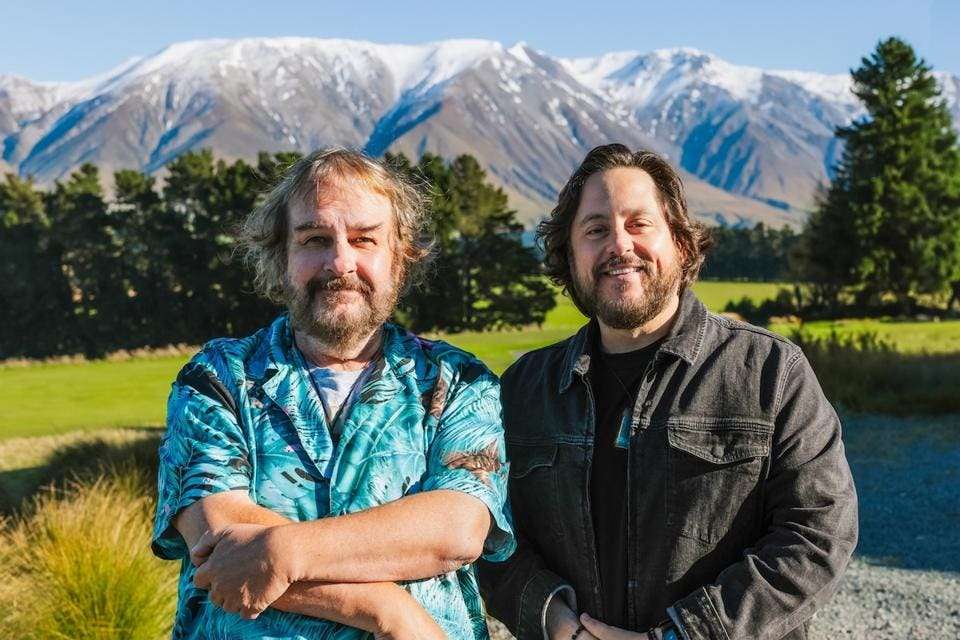
Famed for his cinematic epics, Jackson has financially backed the initiative, which collaborates closely with the Ngāi Tahu Research Centre at the University of Canterbury. This partnership plays a crucial role, as the Ngāi Tahu iwi embrace the moa's revival not just as a breakthrough in science but as a means to reconnect with their cultural roots.
“The moa has always been part of our identity, and reviving it represents a deeper understanding of our history,” said Mike Stevens, Director of the Ngāi Tahu Research Centre, and a member of the Ngāi Tahu iwi.
Uniting Biotechnology with Indigenous Knowledge
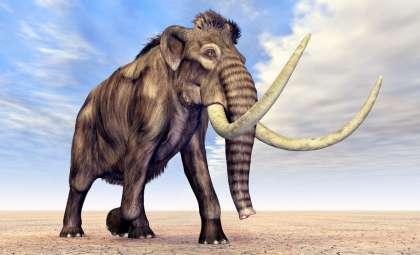
The cornerstone of this endeavor is Colossal Biosciences’ pioneering work in genetic engineering. The firm's previous projects included attempts to resurrect extinct mammals like the woolly mammoth and the dire wolf. Now, they aim to meticulously decode and rebuild the moa’s genome from DNA extracted from preserved subfossil bones discovered in cave sites.
Leading the scientific team is Peter Scofield, an expert on moa research and professor at the University of Canterbury. He views the project as a gateway to uncovering the moa’s ecological role and its influence on the evolution of New Zealand’s forest ecosystems. Though resurrecting the moa is a huge scientific challenge, the initiative heavily emphasizes indigenous collaboration.
Stevens emphasized the dual significance of the moa in Māori culture: a source of essential nutrition and raw material used in traditional tools. Reintroducing the moa would offer fresh insights into ancient Māori lifestyles and the environmental transformations following these birds’ extinction.
Blending Past and Cutting-Edge Technology
For Peter Jackson, this project represents a unique venture beyond filmmaking.
“I’m a new New Zealander, but I’m a very proud one,” Jackson said in an interview.
Having grown up surrounded by stories of the moa, Jackson sees the bird’s revival as a way to resurrect a cherished part of New Zealand’s heritage. The moa is a potent emblem, featured prominently in museums and national narratives, signifying both scale and history unique to the country.
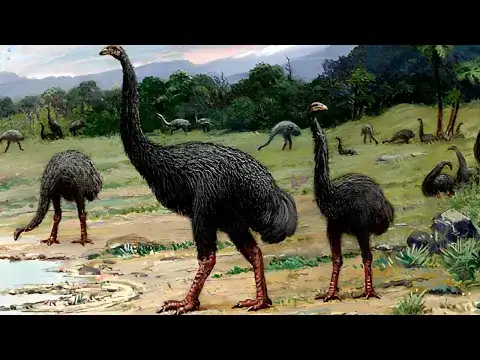
This revival poses numerous hurdles, notably ensuring that any newly created moa remain in a secure habitat rather than being released into open wild areas, protecting them from threats such as habitat loss and invasive predators.
Similar to other de-extinction efforts like Colossal’s dire wolf program, the moa is expected to be maintained in a controlled ecological reserve to guarantee its preservation for future study and appreciation.
An Ecological and Cultural Rebirth
While the genetic hurdles of cloning an extinct species like the moa are formidable, the scientific and cultural lessons to be gained could be revolutionary. Project leaders such as Peter Scofield regard this as a grand-scale biological experiment.
“We’re going to learn far more about prehistoric animals in their environment than we could ever have imagined,” Scofield explained.
The moa’s role in shaping New Zealand’s natural landscape offers profound clues about prehistoric biodiversity and ecosystem dynamics. Moreover, the Māori community’s involvement imbues the project with deep cultural layers, as reviving the moa is intertwined with restoring ancestral ties and ecological balance.
“This is part of our dream,” said Mike Stevens, echoing the community’s desire to reconnect with a piece of their past that was lost in the wake of European settlement.






0 comments
Sign in to Comment