
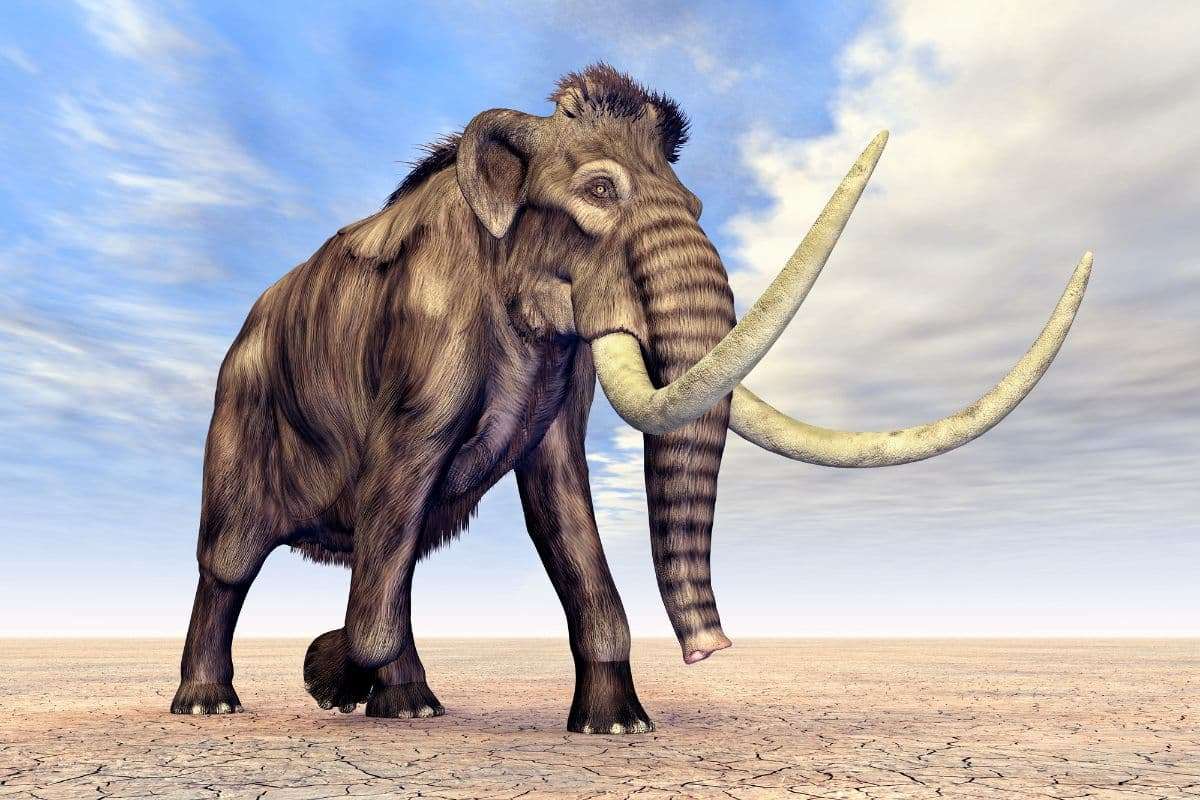
A pioneering biotech firm is tackling one of science’s boldest endeavors: resurrecting extinct creatures like the woolly mammoth and dodo. Dallas-based Colossal Biosciences is gaining headlines for its innovative fusion of genetic technologies and ecological restoration goals.
Colossal Biosciences: A Leader in De-Extinction Science
Since its inception in 2021, Colossal Biosciences has quickly established itself as a forefront player in de-extinction research. The company recently secured an impressive $200 million in a Series C funding round, boosting their valuation past $10 billion. This rapid growth reflects widespread faith in their scientific strategies and potential impacts on biotechnology and environmental conservation.
More than just a scientific experiment, the company’s main goal is to use species like the woolly mammoth to revive damaged ecosystems. By genetically engineering mammoths and eventually releasing them into Arctic habitats, Colossal hopes to foster grassland expansion, which could help capture atmospheric carbon and slow down permafrost degradation. This ambitious vision situates them at the cutting edge of efforts to tackle climate change through biodiversity.

The Woolly Mammoth’s Ecological Role
Although extinct for about 4,000 years, the woolly mammoth is central to Colossal’s ecological strategy. The project isn’t concerned with nostalgia but is focused on the species’ potential environmental benefits. Returning mammoths to the Arctic could restore grassland areas and support efforts to mitigate climate change impacts.
By browsing and trampling, mammoths may encourage the expansion of grasslands, surfaces that reflect sunlight better than dark forests, possibly reducing global temperatures. This concept, known as Pleistocene rewilding, proposes that reintroducing extinct megafauna can rejuvenate neglected habitats.
Genetics: The Key to De-Extinction
Colossal is advancing de-extinction through state-of-the-art genetic editing tools like CRISPR-Cas9. This cutting-edge gene editing technology enables insertion of mammoth-specific genes into the genome of the Asian elephant, the closest living relative, sharing around 99.6% of mammoth DNA.
Scientists extract genetic material from ancient mammoth remains and pinpoint traits that differ from today’s elephants. Employing CRISPR, they embed features like thick fur, fat deposits beneath the skin, and cold adaptation into elephant DNA.
The hybrid embryos produced may be carried by surrogate elephants or grown in synthetic wombs—an emerging technology Colossal is developing that may also benefit fertility science.
Beyond Mammoths: The Dodo and Thylacine Efforts
Though the woolly mammoth project receives widespread attention, Colossal is also committed to bringing back other extinct species such as the dodo and the Tasmanian tiger.
The dodo, a flightless bird that vanished in the late 17th century due to human impact, is a powerful symbol of extinction. Native only to Mauritius, reviving the dodo could provide insights for restoring fragile island habitats. Researchers are using the genome of the Nicobar pigeon, the closest living relative, to reconstruct the dodo’s genetic blueprint.
Likewise, the Tasmanian tiger (or thylacine) has fascinated scientists for years. This extinct carnivorous marsupial, wiped out in the 1930s, historically helped control invasive species in Tasmania. Utilizing DNA from preserved samples, Colossal is working to bring back the thylacine to its native environment, aiming to enhance ecosystem stability.
Challenges and Controversies in De-Extinction
While de-extinction projects inspire excitement, they raise significant ethical and ecological questions. Skeptics debate if revived animals represent authentic versions of extinct species or are simply genetic facsimiles.
Moreover, introducing genetically engineered organisms into existing ecosystems risks the spread of diseases and unpredictable effects on other wildlife.
Animal welfare concerns also remain. Using endangered Asian elephants as surrogate mothers for mammoth embryos sparks ethical debate. Also, intensive focus on resurrection projects might divert resources away from protecting still-surviving endangered species.
Looking Toward the Future
Colossal Biosciences exemplifies the blend of scientific innovation, conservation goals, and ethical considerations. As they advance their revolutionary projects, they face complex scientific hurdles alongside societal and environmental challenges. Will bringing extinct species back effectively restore natural habitats, or could it introduce unintended consequences? What responsibility does humanity bear in conserving global biodiversity?
Regardless, the company’s progress is already pushing boundaries in conservation science and prompting global discussion. With a valuation exceeding $10 billion and ambitious initiatives underway, Colossal offers a glimpse of a future where science might revive lost species while challenging our stewardship of the natural world.
- Categories:
- News









0 comments
Sign in to Comment