
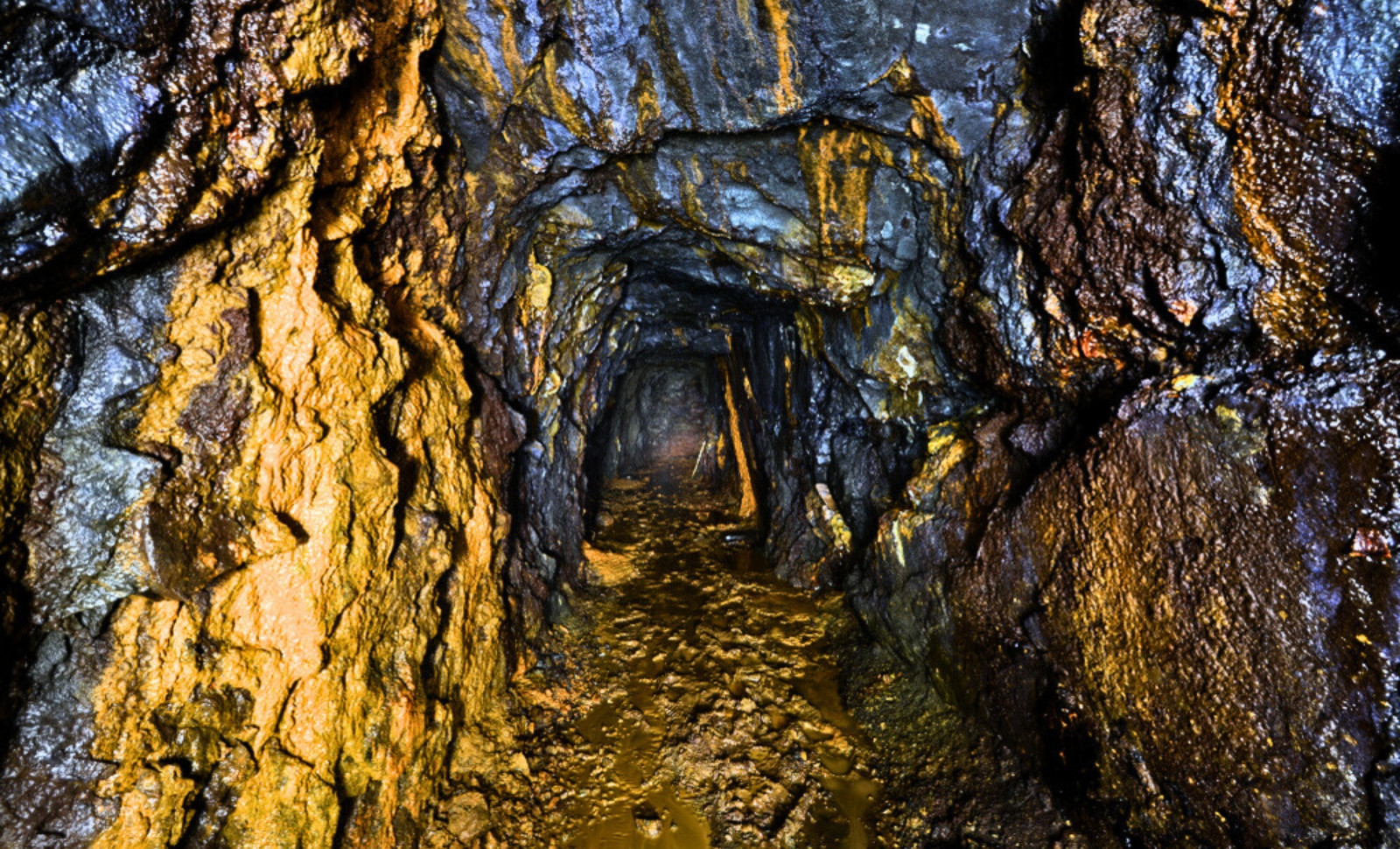
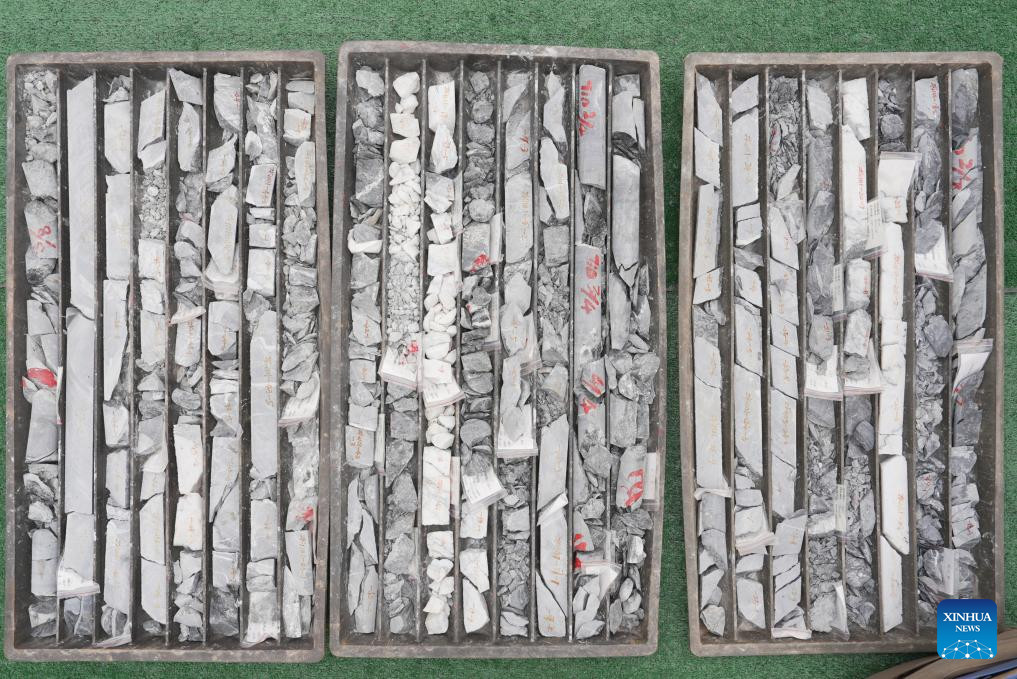
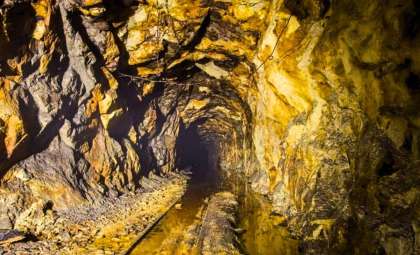
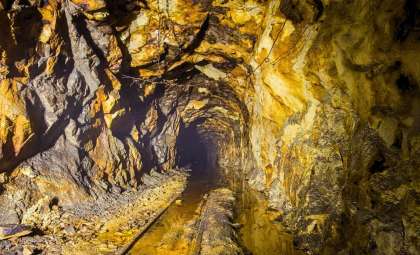
Deep below the hills of Pingjiang County, forty unique gold veins have been discovered. Over the last year, core samples extracted from depths surpassing two kilometers have revealed an extraordinary find.
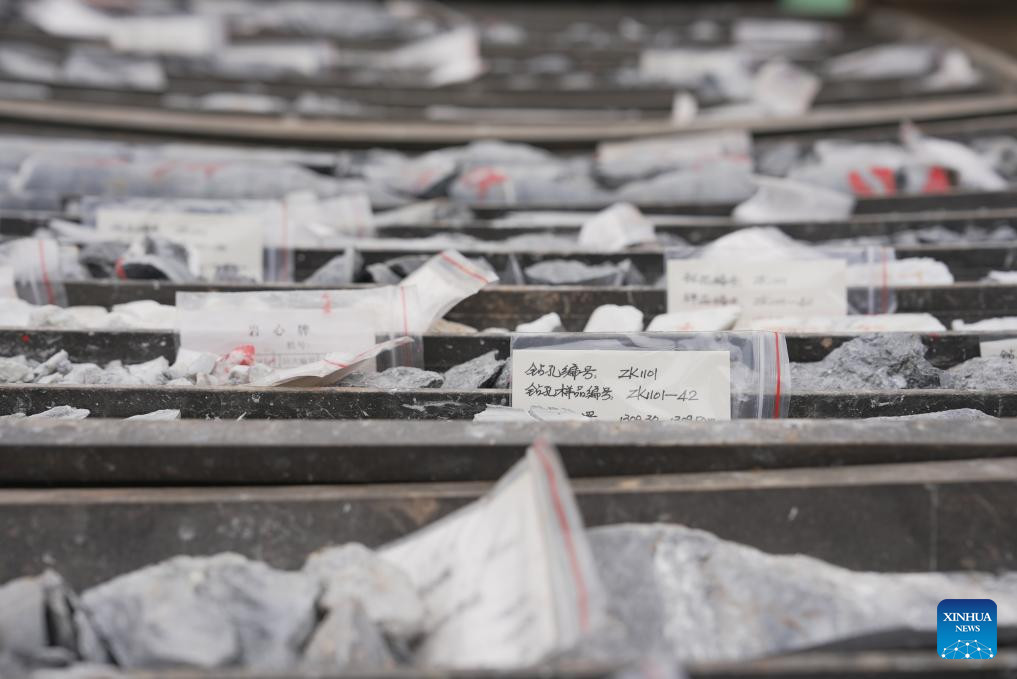
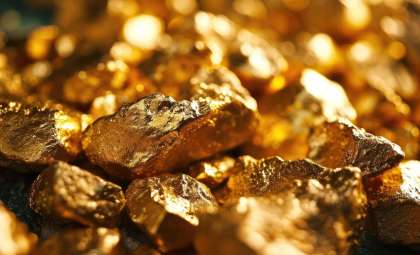
“Visible gold was present in numerous drilled rock cores,” explained Chen Rulin, a prospector from the Geological Bureau of Hunan Province. Unlike gold that is microscopic or locked in other minerals, these samples show gold flakes and concentrated deposits clearly visible to the naked eye, an uncommon trait among core samples.
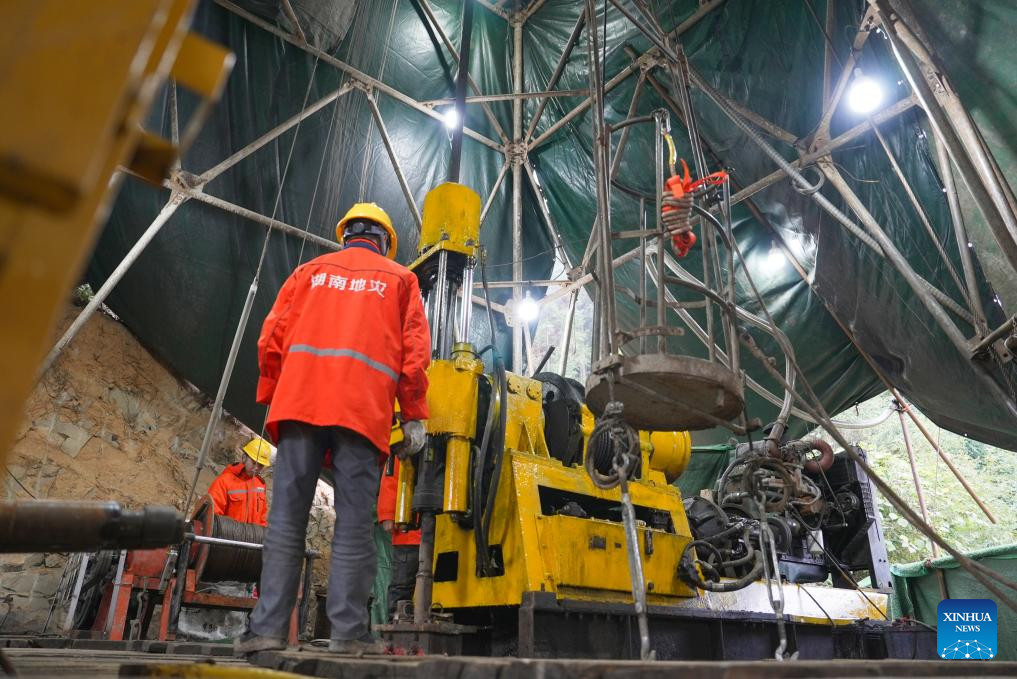
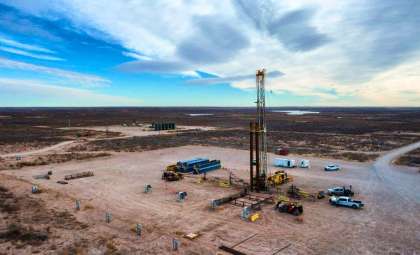
The ongoing drilling campaign across central China’s Hunan Province has surpasses 65 kilometers of boreholes at 55 locations. Each new core provides a clearer picture of what lies beneath the Wangu gold field, attracting considerable attention from regional geological authorities.

A Deposit That Redefines Global Standards
On November 21, 2024, officials from the Geological Bureau of Hunan Province revealed findings through the state news outlet Xinhua. Their exploration uncovered confirmed 300 tonnes of gold reserves within just the first two kilometers below the surface, and estimates suggest reserves may soar above 1,000 tonnes at three kilometers deep. This deposit is estimated to be worth 600 billion yuan (around $83 billion USD).
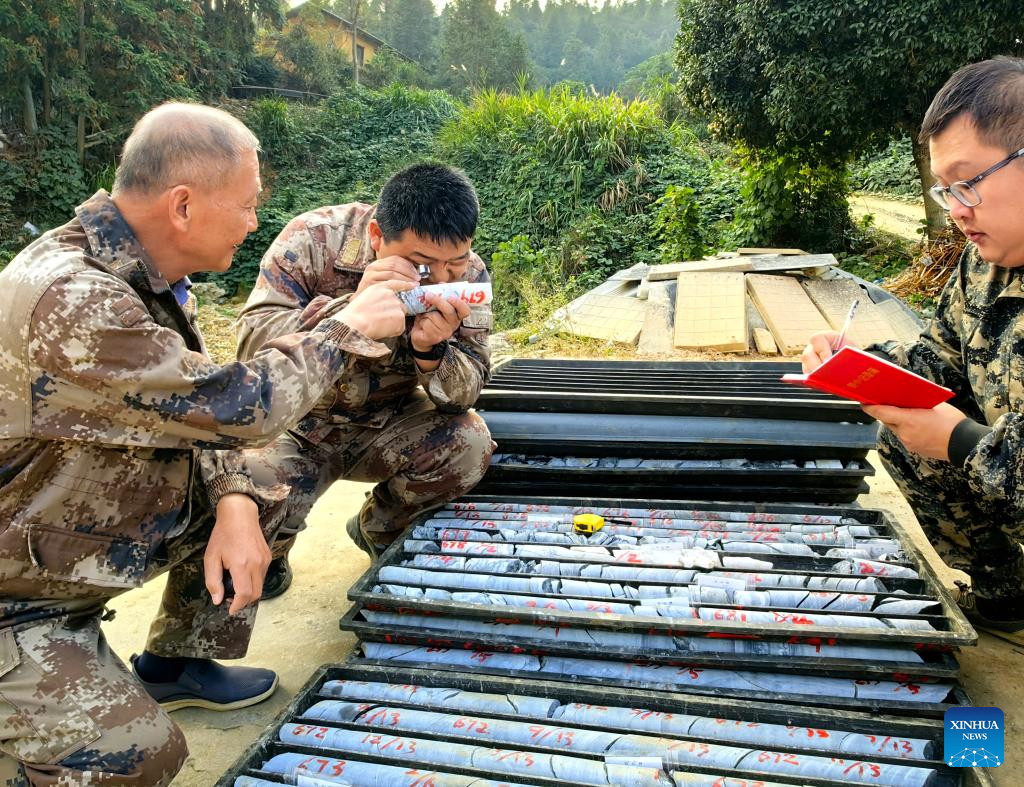
Should these projections prove accurate, the Wangu deposit would outsize the South Deep mine in South Africa—the world’s largest operating gold mine—which boasts around 900 metric tonnes of reserves. However, Wangu’s distinction derives not only from its volume but also from exceptional ore grade; one core at 2,000 meters depth yielded 138 grams per tonne of gold. For comparison, most commercial gold mines typically have ore grades below 10 grams per tonne.
These high concentrations indicate that Wangu can extract gold from much less rock compared to most mines. Liu Yongjun, vice director of the bureau, highlighted the use of advanced exploration technologies such as 3D geological modeling to accurately map these veins. Additional drilling in surrounding areas points to the possible expansion of the deposit beyond current boundaries.
Seismic Forces as a Key to Extraordinary Gold Concentrations
The deposit is situated in a tectonically dynamic region of central China, where deep geological formations and historic seismic activity may have fostered its rich gold content.
A peer-reviewed article in Nature Geoscience introduced a hypothesis: quartz-rich rocks under seismic stress emit electric charges through piezoelectric effects. These charges could accelerate the precipitation of gold from hydrothermal fluids moving through fault lines.
If confirmed, this mechanism would clarify how concentrated, high-grade gold pockets like those at Wangu are formed rapidly during seismic events, rather than gradually through slow chemical processes over thousands of years. Although no direct link to seismic activity at Wangu has been firmly established, its location in an active tectonic zone supports the theory.
China’s Growing Influence in Global Gold Production
China is already the world’s leading gold producer. According to the World Gold Council, it was responsible for roughly 10 percent of global gold mining output in 2023, producing more than 370 tonnes. Discovery of such a supergiant deposit would significantly boost this production and increase the country's strategic reserves.
The Hunan Mineral Resources Group, a recently established state-owned entity under China’s Ministry of Natural Resources, oversees this exploration effort. The initiative aligns with broader national goals to consolidate resource development and lessen dependence on imported strategic minerals.
The Hunan Geological Bureau, traditionally a regional research agency with limited international exposure, has recently increased its scholarly output. Data from the Nature Index reveals that between December 2024 and November 2025, the bureau contributed three publications in peer-reviewed journals, holding a Share of 0.33. Collaborations during this time included partners such as Harbin Institute of Technology, Central South University, and the University of Göttingen.
Outstanding Questions Ahead
While the Wangu deposit's initial findings are promising, it remains in the exploration stage. Current reserve figures stem from drills and complex 3D modeling, but thorough verification is still needed for conclusive assessment. The provincial government aims to increase recognized gold supplies by 55 tonnes by the close of 2025 as part of ongoing development plans.
At present, the Wangu field represents one of the most concentrated gold discoveries in decades, featuring visible gold in samples and ore grades far exceeding global norms. Confirmation of the full 1,000-tonne estimate depends on continued drilling efforts.
- Categories:
- News



0 comments
Sign in to Comment