
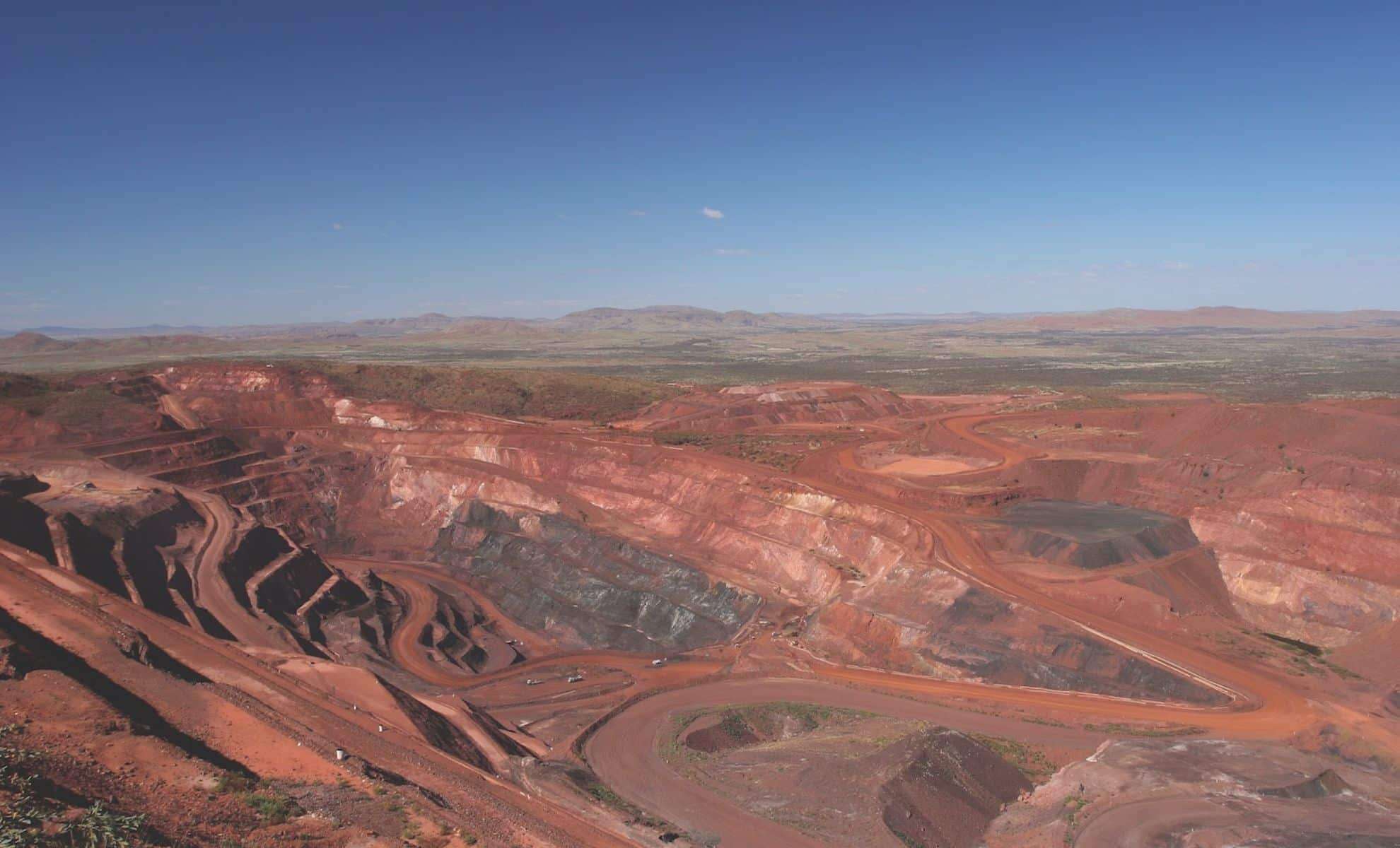
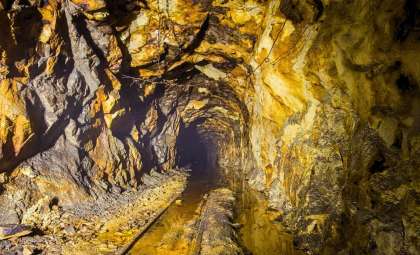
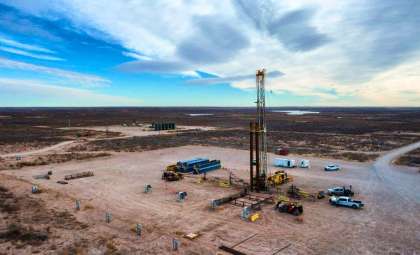
Researchers have uncovered an immense iron ore reserve in Western Australia’s Hamersley area, marking it as the largest iron deposit ever found. This site contains an incredible 55 billion metric tons of premium iron ore, valued at approximately $5.7 trillion USD, promising to influence global mining operations and economic outlooks significantly.
The find has prompted scientists to revise existing models regarding the genesis of Earth’s richest iron deposits. Analysis reveals these formations are considerably younger than earlier estimates, dating back about 1.4 billion years.
The study, featured in the Proceedings of the National Academy of Sciences (PNAS), highlights that the cycles of supercontinents and ancient tectonic activity were pivotal in amassing such vast quantities of iron ore.

Reevaluating the Origins of the Largest Iron Ore Reserve
The enormous scale of the Hamersley iron deposit challenges long-held assumptions about mineral accumulation. Previously, it was thought that iron ore developed gradually over billions of years through slow depositional processes.
Now, evidence suggests that rapid mineral concentration events linked to supercontinent fragmentation and reunification drove substantial iron ore formation.
“The discovery of a link between these giant iron ore deposits and changes in supercontinent cycles improves our understanding of ancient geological processes,” one of the study’s co-authors stated.
This insight supports the idea that tectonic plate movements and shifts in ocean chemistry had a more critical impact on iron deposit formation than previously recognized.
Findings at Hamersley illustrate how crustal dynamics and mantle processes can rapidly concentrate iron, modifying its characteristics and enhancing its economic significance.
Uncovering the Geological Signature of Iron Formation
To pinpoint the age and creation of the Hamersley deposits, scientists applied Osmium isotope geochemistry, tracing chemical markers within ancient rock layers from previous research.
These analyses confirmed volcanic events about 1.4 billion years ago expelled iron-bearing materials, revising earlier beliefs that dated the deposits at 2.2 billion years.
A major research focus was to understand how the iron content improved from an initial 30% to the current grade exceeding 60%, significantly boosting its market value.
“The exact timeline of the change of these formations from 30% iron as they were originally, to more than 60% iron as they are today, was not clear,” explained Associate Professor Martin Danisík.
The study indicates ancient environmental conditions, including atmospheric and ocean changes, contributed to purifying the iron and elevating the ore's quality, making Hamersley a premier mining asset.
Global Economic and Industrial Effects of a $5.7 Trillion Iron Ore Find
At the current market rate of $105 per metric ton, this gigantic iron ore reserve is worth about $5.7 trillion USD, surpassing previous economic forecasts for the region. This monumental discovery is anticipated to:
- Strengthen Australia’s leading role as the top global iron ore supplier.
- Draw substantial investment interest from mining enterprises and policy makers aiming to exploit this geological treasure.
- Inspire new exploration methodologies worldwide by providing deeper insights into identifying vast iron ore deposits.
The high-grade ore is key for steel manufacturing, implying profound implications for global trade networks, infrastructure projects, and resource utilization in the years ahead.
- Categories:
- News




0 comments
Sign in to Comment