
European defense strategies are undergoing significant changes. The evolving security landscape since 2022 has compelled governments to reconsider their acquisition approaches, timelines, and dependencies. While the commitment to collaborative capability development remains official, practical execution is adjusting under real-world pressures.
Over recent years, the EU has seen an increase in multinational defense initiatives, supported by funding and political backing. These programs aim to foster long-term industrial independence, lessen reliance on transatlantic allies, and enhance interoperability within Europe. However, many of these projects are delayed or misaligned with current operational requirements.
In this context, Germany has taken a procurement step that deviates from the typical European cooperative framework. This move overlaps with at least two major European defense collaborations and involves equipment already in use by NATO partners. While the purchase itself is routine, its broader implications are significant.

The decision formed part of a wide-ranging acquisition plan approved last December. The focus isn't on quantity but on the strategic choice: what was selected, what was bypassed, and what this reveals about Europe's largest military spender's planning priorities.
Germany Focuses on Immediate Operational Capability Over European Program Continuity
Germany has agreed to procure eight MQ-9B SeaGuardian drones from the United States, acquired via the NATO Support and Procurement Agency (NSPA). This purchase sidelines two prominent European initiatives: the Eurodrone and the Maritime Airborne Warfare System (MAWS). The drones form part of an extensive €50 billion defense package passed by the Bundestag to close strategic gaps in air, land, maritime, and space domains.
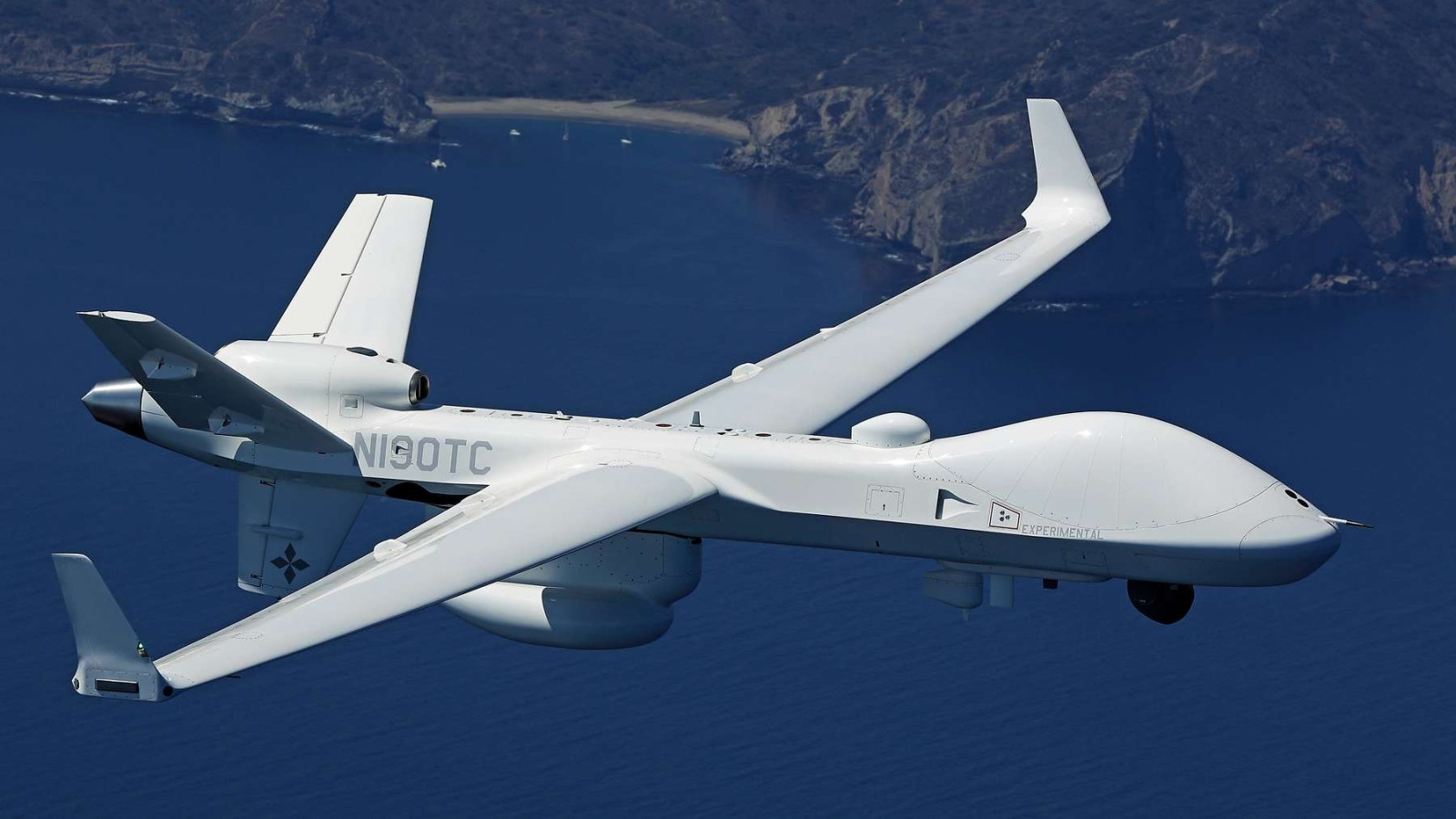
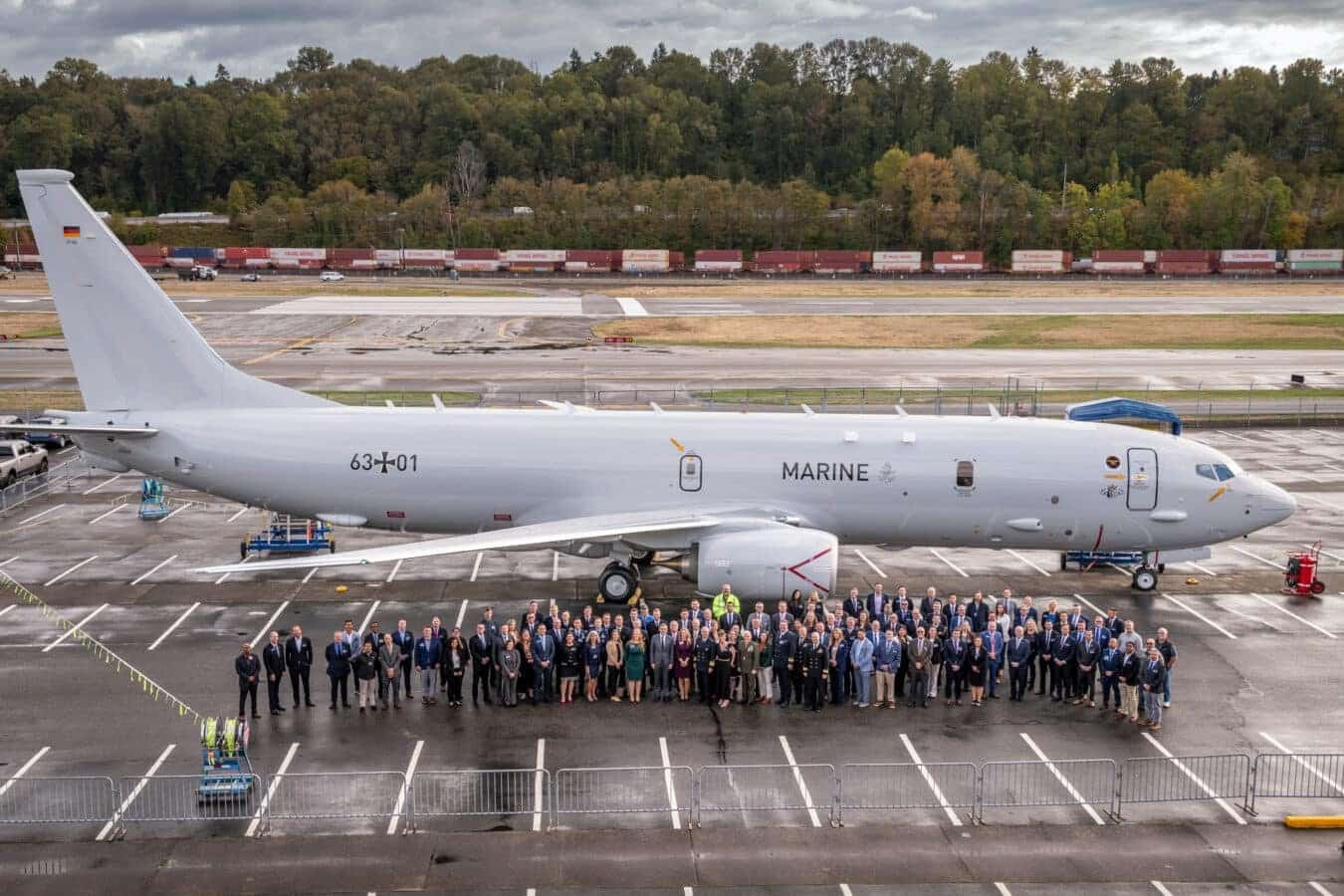
As stated in the Bundeswehr’s official release, these drones will be stationed at Marinefliegergeschwader 3 “Graf Zeppelin” in Nordholz from 2028, with initial infrastructure development and crew training ongoing. They will support the P-8A Poseidon fleet, expanding maritime surveillance capabilities over the Baltic Sea and North Atlantic, vital regions for NATO’s maritime defense and critical infrastructure security involving Germany.
Long Flight Duration and Diverse Sensors Enable Continuous ISR and Submarine Tracking
The MQ-9B is a remotely piloted aircraft system tailored for maritime roles, developed by General Atomics Aeronautical Systems, Inc.. It can carry up to 2,000 kilograms, including electro-optical devices, maritime surveillance radar, and deployable sonobuoy pods, enabling comprehensive surface and underwater monitoring as documented by AeroTime's technical reports.
These drones can remain airborne for up to 30 hours depending on altitude, payload, and weather, fitting perfectly for expansive ISR and anti-submarine warfare missions, particularly when paired with more agile manned platforms like the Poseidon. Sensor feeds will be relayed to ground stations and distributed to other German naval units and NATO allies to boost joint operational effectiveness.
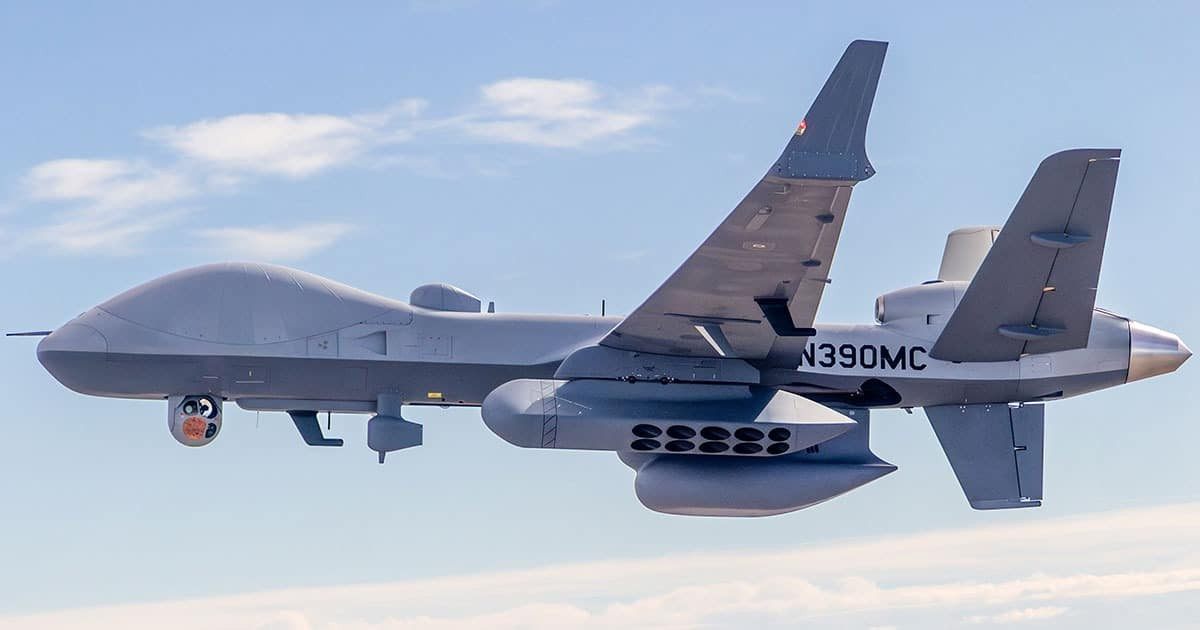
Sources within the Bundeswehr report these drones will integrate into extensive naval command systems, creating a continuous ISR layer for monitoring undersea dangers. The procurement also entails four ground control stations and essential logistical support for sustained deployment.
European Solutions Hampered by Delays and Capability Gaps
Opting for U.S. drones highlights concerns about European programs’ schedules and adaptability. The Eurodrone project, a collaboration between Airbus, Leonardo, and Dassault Aviation, has faced repeated postponements and currently lacks confirmed maritime ISR capabilities. Although Germany remains involved and expects seven Eurodrone units, immediate ISR demands don’t align with its deployment timeline or scope.
The Franco-German MAWS initiative, aimed at supplanting older maritime patrol aircraft, has lost political momentum. With Berlin’s earlier choices of the P-8A Poseidon in 2021 and the MQ-9B in 2025, Germany’s commitment to MAWS appears uncertain.
According to the Federal Ministry of Defence’s official summary, MQ-9B procurement was among 30 acquisition programs approved in December. Other key investments include the RCH 155 artillery system, SPOCK tactical radar satellites, and TAURUS NEO long-range cruise missiles, all aimed at boosting Bundeswehr’s readiness across multiple fronts.
Compliance with NATO Standards Drives Equipment Choices Over Symbolic Unity
Germany’s acquisition reflects the importance of operational compatibility. A January 2026 statement by General Atomics emphasized the SeaGuardian’s recent anti-submarine warfare upgrades conducted alongside the U.S. Navy. The version chosen by Germany aligns with NATO specifications, permitting seamless integration with allied ISR and ASW systems.

While the European Defence Fund still emphasizes joint European development efforts, national militaries increasingly sidestep slower cooperative ventures when urgent operational needs arise. Germany’s approach, though NATO-compatible, casts doubt on the future of multinational projects relying on synchronized planning and shared commitments.
Details about mission control, autonomy, or C4ISR system integration remain undisclosed. Nonetheless, sources from the Bundeswehr and AeroTime affirm the drones will support encrypted communications, alliance-based data sharing, and collaborative sensor coordination across deployed platforms.
- Categories:
- News













0 comments
Sign in to Comment