
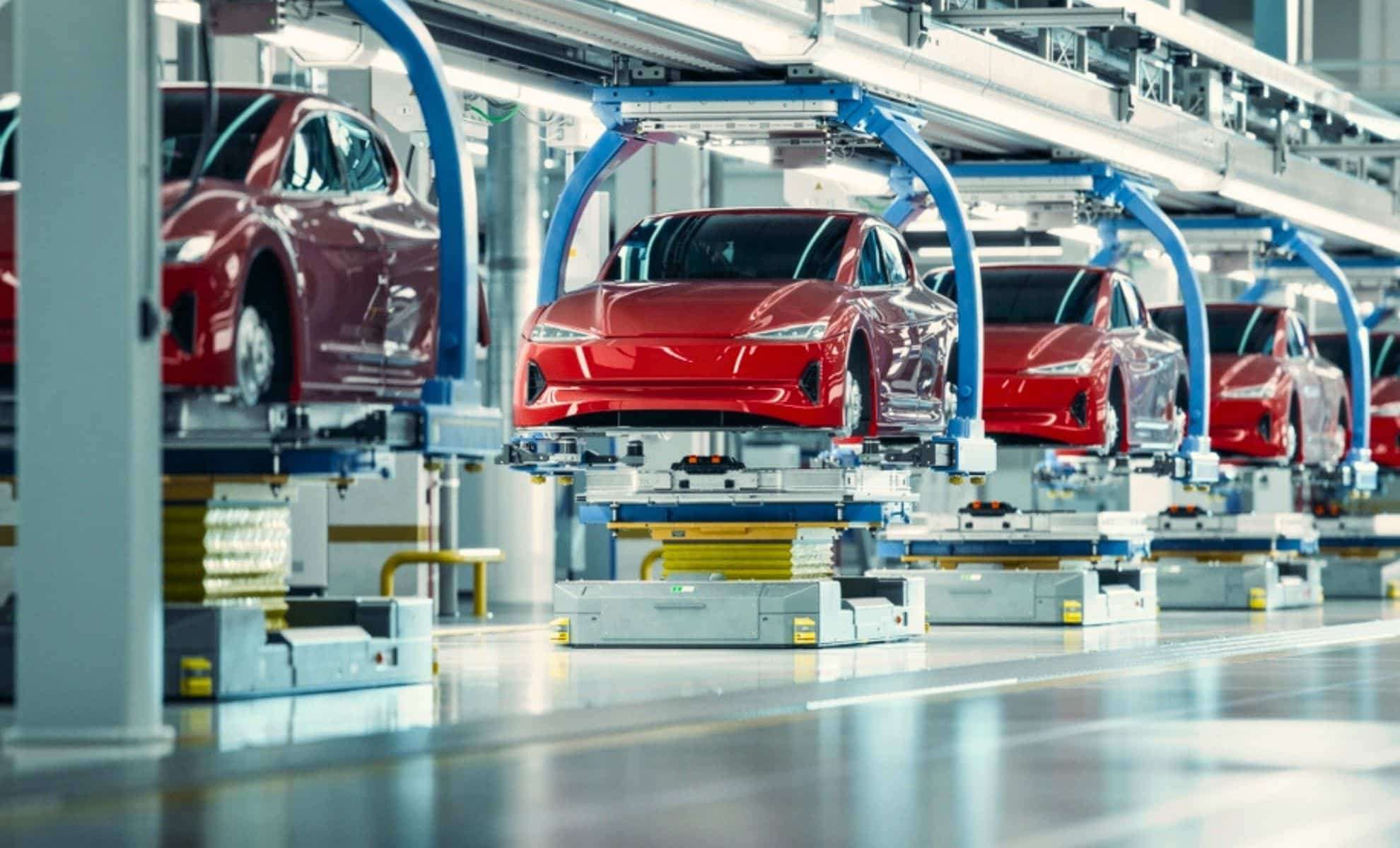
While many automakers are racing to embrace complete electrification, Honda is charting its own path. This month, the Japanese car manufacturer clarified its priority: battery electric vehicles (BEVs) won’t be the sole focus. Instead, Honda is investing heavily in hybrid models, hydrogen-powered cars, and synthetic fuels as its core strategies for achieving carbon neutrality. This change comes amid growing pressure to reduce fossil fuel reliance and concerns over the global electric vehicle infrastructure’s readiness.
Honda Revises EV Plans, Elevates Hybrid Technology
According to extensive coverage by Drive Australia, Honda is scaling back its BEV investment, trimming the previously announced ¥10 trillion (~$65 billion) allotment by nearly a third. Additionally, the automaker has eliminated its earlier goal of achieving 30% electric vehicle sales by 2030 from its strategic vision.
“Honda hasn’t dismissed electric vehicles,” said Jay Joseph, President and CEO of Honda Australia. “Rather, battery electric vehicles are part of a broader journey toward carbon neutrality, but not the exclusive solution.”

Instead, the emphasis leans toward hybrid vehicles, which Honda states align better with current consumer demand. Market statistics back this up: although BEVs accounted for around 20% of global car sales and 17.5% of European registrations in early 2025, hybrids remain dominant in key markets such as North America and Asia.
In Australia, where Honda will launch its first all-electric model by late 2026, the company anticipates hybrids will compose up to 90% of its sales by 2026’s end, compared to roughly half today. “Despite the hype around EVs,” noted Robert Thorp, Automotive General Manager at Honda Australia, “consumers are clearly favoring hybrids.”
Charging Networks Lag Behind Full EV Adoption
Though not explicitly stated, the primary obstacle Honda faces is obvious: infrastructure remains inadequate. The charging network for electric vehicles is still patchy and inconsistent, particularly in less urbanized regions and emerging markets, rendering a full EV shift impractical in many areas.
Hydrogen fuel cell vehicles (FCEVs) — another pillar of Honda’s approach — also encounter challenges. By late 2024, only 1,160 hydrogen refueling stations operated worldwide, concentrated mainly in Japan, South Korea, and California. Public availability is limited, and investment growth is sluggish.
Nonetheless, Honda continues investing here. Their latest innovation, the CR-V e:FCEV, pairs a hydrogen fuel cell with a 17.7 kWh battery, enabling roughly 47 kilometers of pure electric driving. Honda’s strategy underscores diversification across multiple technologies rather than reliance on BEVs alone.
Carbon-Neutral Synthetic Fuels as a Viable Alternative
Additionally, Honda is advancing research into synthetic fuels — eco-friendly fuels that can power conventional engines without requiring redesign. Other automakers like Porsche, Mazda, and Subaru are exploring this promising field as a transitional tool toward emission reductions.
Although still at an experimental stage, Honda is developing hydrogen combustion engines and enhanced synthetic fuel mixtures. While these options currently lack broad affordability and scalability, they provide a potential path for cutting emissions without significant infrastructure overhaul or demanding consumer lifestyle shifts.
Following a Pragmatic, Consumer-Focused Strategy
Honda’s approach contrasts with many automakers' aggressive push toward BEVs, but it is not without precedent. Brands like Toyota, Hyundai, and BMW also continue to pursue hybrids and hydrogen solutions as part of their long-term plans.
For Honda, the goal isn’t resisting progress but matching technology development with real-world user habits. “Consumers will transition at their own rate,” Thorp stated. “Right now, hybrids offer the best balance.”
Behavioral insights back this approach. Studies reveal that changing consumer habits is a gradual process influenced by infrastructure availability, costs, and trust factors. By prioritizing hybrid offerings that require minimal lifestyle adjustments, Honda aims to maintain customer loyalty while preparing for greener future innovations.
- Categories:
- News








0 comments
Sign in to Comment