
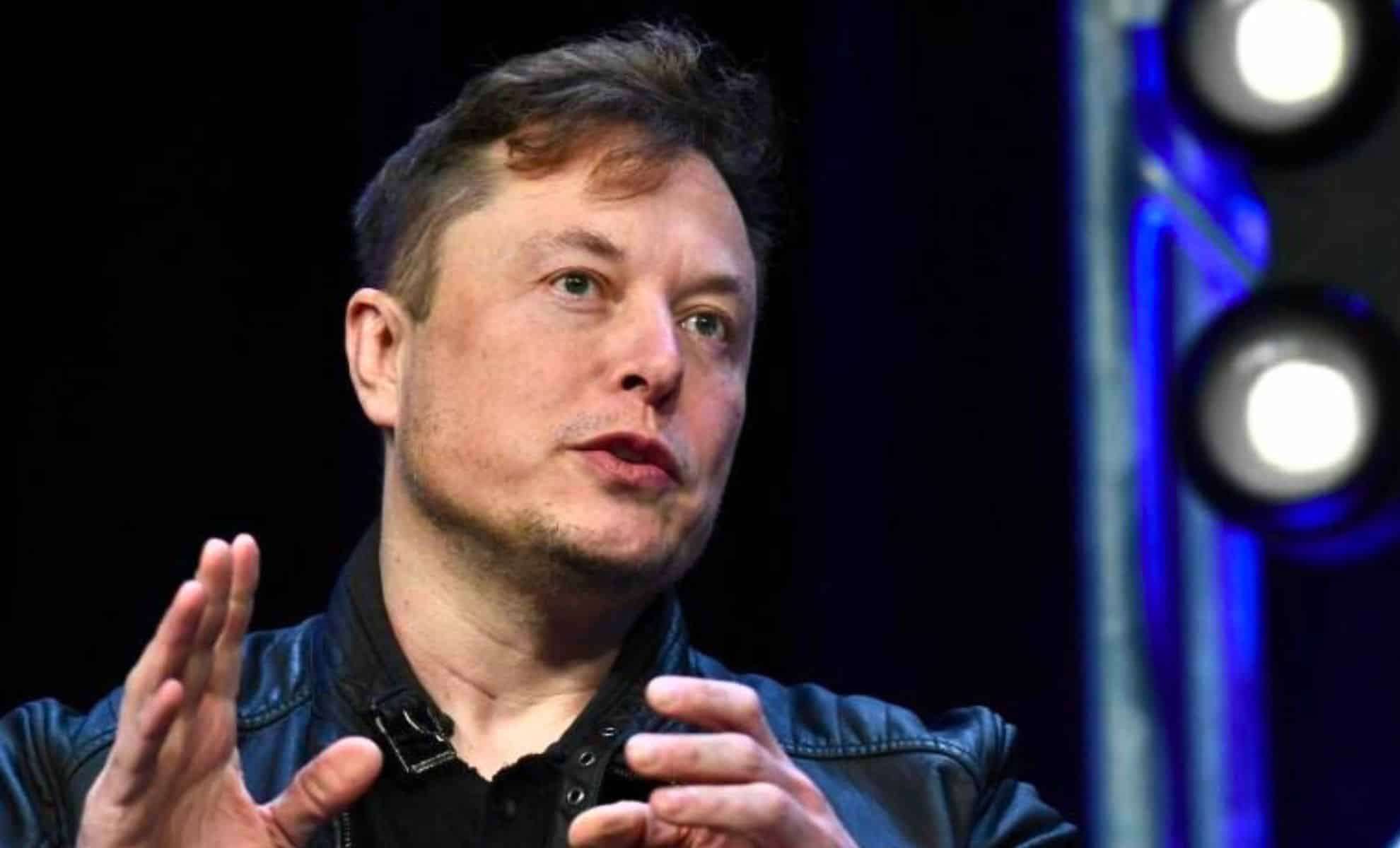
Mercedes-Benz CEO Ola Källenius recently voiced his worries about Europe’s ambitious plan to eliminate combustion engine vehicles by 2035. In response, Elon Musk offered a stark and straightforward challenge: “Just make good EVs!” This dialogue unfolded on X (formerly Twitter), where Källenius cautioned that banning gasoline and diesel cars might damage the economy unless governments provide strong incentives like tax breaks and affordable electricity.
Musk emphasized that the key to a successful electric vehicle transition lies not in subsidies or regulatory loopholes, but in crafting vehicles that consumers truly desire. His remarks implied that the real hurdle for traditional carmakers may be the quality of their electric vehicles, rather than regulatory obstacles.
This isn’t Musk’s first critique of German automakers. Back in 2017, he warned Daimler—Mercedes’ parent company—that their approach to investing in electrification was too cautious. Nearly ten years later, Musk's critical perspective remains unchanged.

Addressing German Auto Industry Challenges
Musk’s pointed comments highlight the dilemma facing established automakers. Despite Mercedes, BMW, and Volkswagen investing billions in EV development, their dependence on lucrative internal combustion vehicles has slowed their progress in electrification.
In contrast, Tesla’s swift introduction of models like the Model 3 and Cybertruck has positioned it at the forefront of innovation. Musk’s firm stance reflects his belief that the industry's focus should shift away from subsidies towards delivering high-quality EVs.
According to Numerama, Musk’s remarks can be seen as a direct rebuttal to Mercedes’ hesitation to fully embrace the EV market. By questioning government incentives, Källenius indicated concerns about the profitability of EVs. Musk countered by suggesting that consumer demand will follow once automakers deliver compelling products.
Germany’s Current EV Landscape
The timing of Musk’s criticism is significant. Tesla’s own reputation in Germany has been challenged recently. Reports from The Guardian and Clean Energy Wire highlight that Musk’s political controversies—including support for the far-right AfD party and a provocative salute gesture—have negatively impacted Tesla’s brand perception. Consequently, Tesla’s vehicle sales in Germany have fallen, with many customers turning away from the marque.
Meanwhile, Tesla’s Gigafactory near Berlin—once celebrated as a beacon of Europe’s EV future—has faced scrutiny over environmental concerns, labor conditions, and Musk’s leadership approach. Nevertheless, the factory continues to grow and remains a major foreign investment in Germany’s automotive industry.
In this context, Musk’s critique of Mercedes carries layered implications. It reinforces Tesla’s role as a bold pioneer in the electric vehicle revolution while potentially deepening the divide with German consumers loyal to domestic automakers.
- Categories:
- News






0 comments
Sign in to Comment