
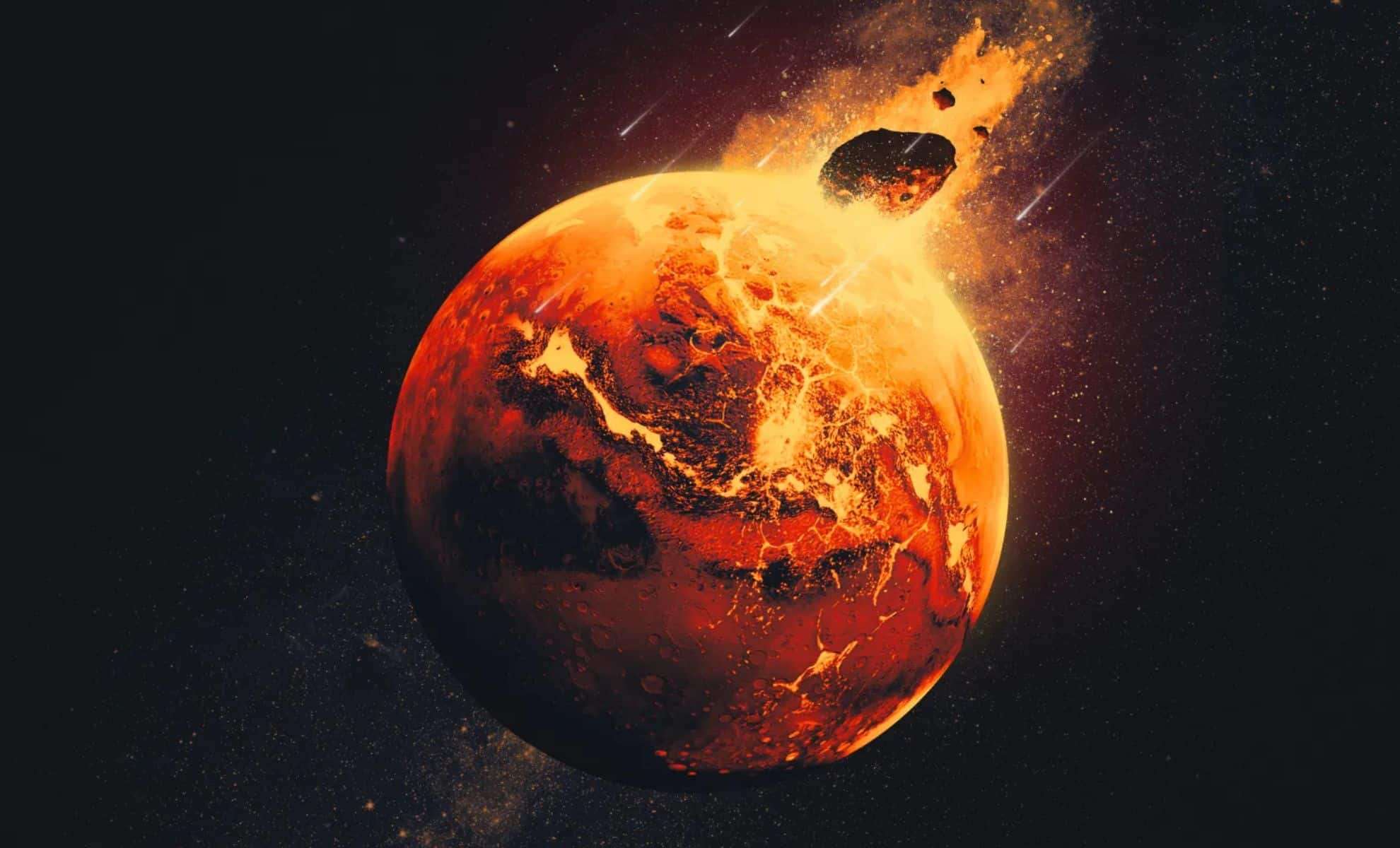
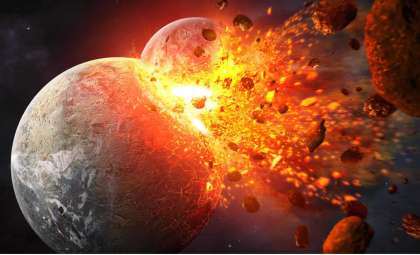
Seismic measurements collected by NASA’s InSight lander prior to its 2022 mission conclusion have unveiled a fascinating new perspective on Mars' ancient past. A recent study published in Science reveals that the Mars mantle harbors substantial rocky fragments originating from massive collisions during the planet's early, tumultuous formation over 4.5 billion years ago. This suggests Mars maintains an extraordinary geological archive that has been lost on more active planets like Earth.
Preserved Evidence of Catastrophic Collisions
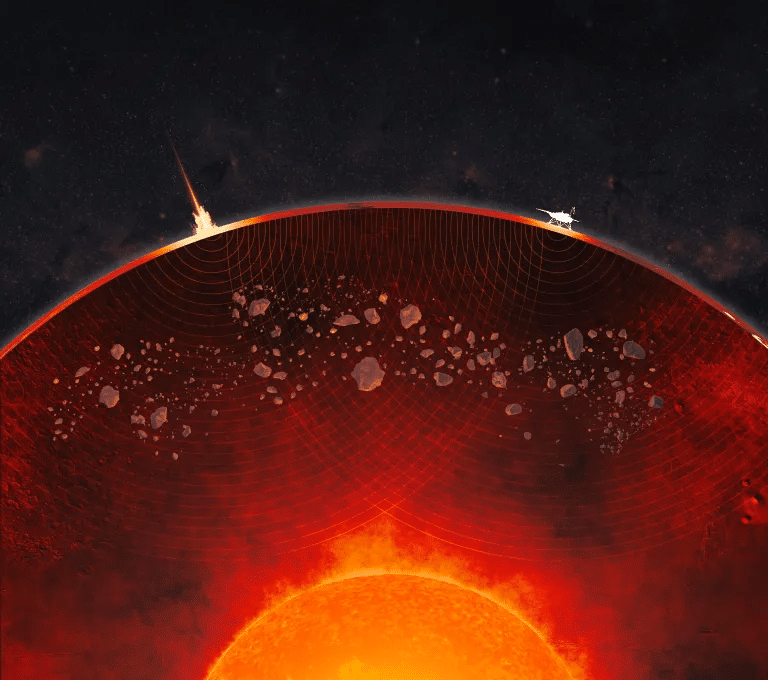
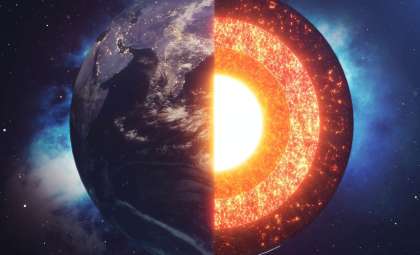
By examining seismic wave patterns generated by marsquakes, scientists discovered pronounced irregularities indicating the presence of huge chunks scattered throughout the mantle. These pieces, some reaching up to four kilometers in size, are believed to be leftover debris from giant impacts involving asteroids or protoplanets in the solar system’s infancy. Unlike Earth, where dynamic plate tectonics and intense mantle convection recycle interior materials over time, Mars’ slow internal movements have allowed these fragments to remain undisturbed for billions of years.
“This is the most detailed glimpse we have ever obtained of a planet’s interior,” explained Constantinos Charalambous from Imperial College London, lead author of the paper. “The ancient fragments embedded within Mars’ mantle reveal its notably sluggish evolution, unlike Earth where such relics typically vanish.”

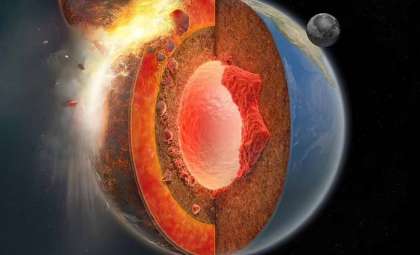
The pattern of these fragments resembles broken glass, featuring few large shards alongside numerous smaller ones. This arrangement aligns with scenarios in which Mars endured colossal impacts powerful enough to create vast magma oceans by melting the mantle and crust, embedding impact debris deep beneath the surface.
InSight's Pivotal Contribution to Martian Geology
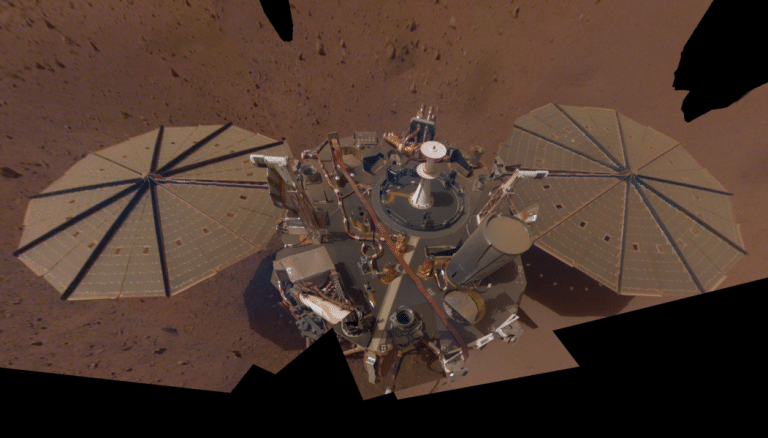
Since deploying Mars’ first seismometer in 2018, the InSight lander has been instrumental in unlocking the planet’s internal secrets. Recording over 1,300 seismic events during its four-year survey, the mission allowed researchers to examine the crust, mantle, and core with exceptional accuracy. This new study focuses on eight particular marsquakes whose seismic waves reached deep into the mantle.
“Mars was known to hold ancient geological records, but InSight surpassed expectations in revealing their clarity,” noted Tom Pike of Imperial College London, coauthor of the research.
The seismic waves demonstrated significant slowing and scattering as they passed through specific parts of the mantle. Sophisticated computer models confirmed these anomalies are best explained by localized clusters of rock differing in composition from the common mantle material, consistent with ancient impact remnants preserved through billions of years.
Seismic Clues from Deep Within Mars
The discovery of these mantle fragments relied on analyzing the behavior of seismic waves traveling through the planet’s interior. High-frequency waves produced by meteoroid collisions and internal strains offered the clearest insights. As seismic signals penetrated deeper, researchers observed increasing delays and distortions.
“Initially, we believed these slowdowns were occurring in Mars’ crust,” Pike remarked. “However, we soon realized that the delays amplified the farther the waves traversed the mantle.”
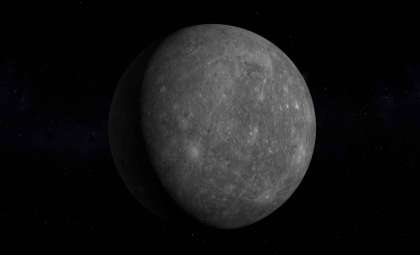
This observation directly supports the idea of “lumps” inside Mars’ mantle. Due to Earth’s tectonic activity, such features rarely survive here, but similar conditions may exist on other terrestrial planets like Venus and Mercury. If verified, these worlds might preserve ancient impact histories dating back to the early solar system as well.
- Categories:
- News






0 comments
Sign in to Comment