
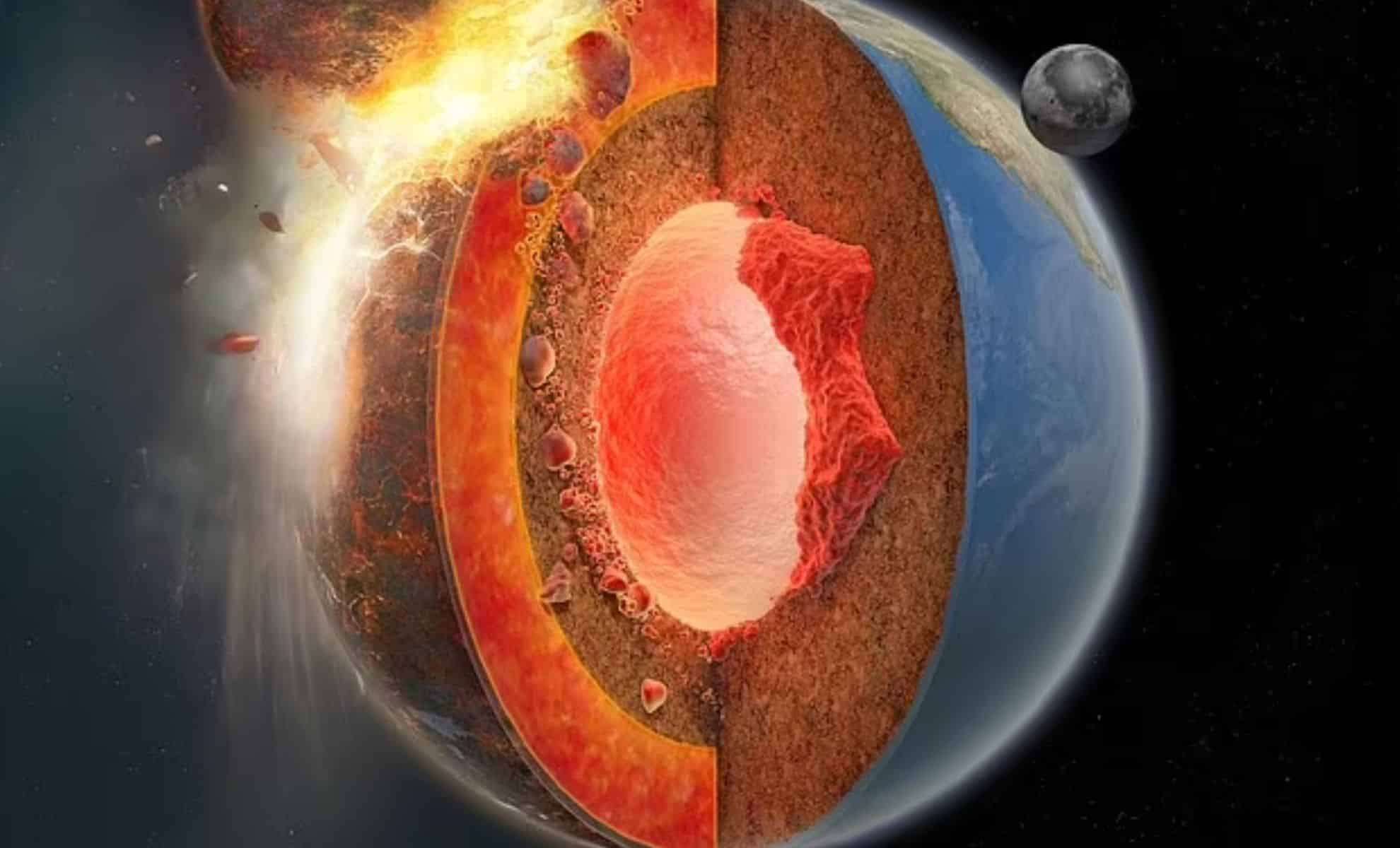
A groundbreaking study published in Nature reveals evidence of ancient planetary fragments buried deep beneath Earth's surface. Scientists have identified two enormous, dense regions beneath Africa and the Pacific Ocean that might be the debris of Theia, a primordial planetary body. This discovery offers fresh perspectives on Earth’s tumultuous early era and the celestial impacts that formed the Earth-Moon system. By merging cutting-edge seismic imaging with innovative computational modeling, the researchers provide new insights into Earth's deep interior and its geological history.
The Mystery of Large Low-Velocity Provinces (LLVPs)
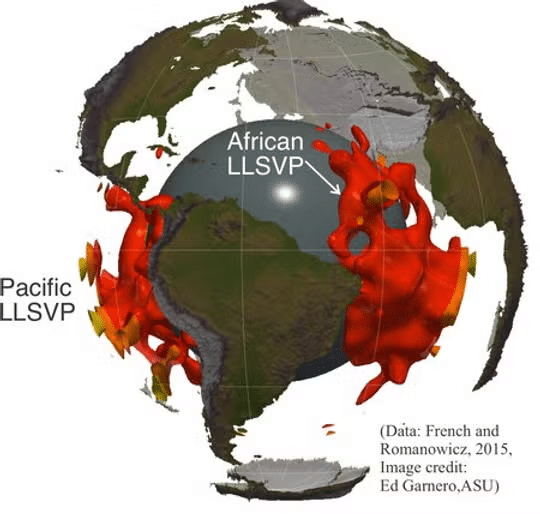
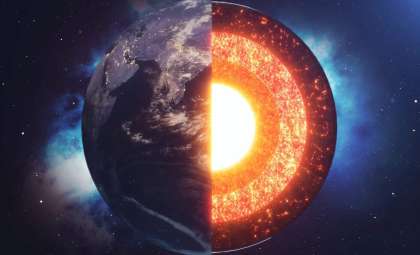
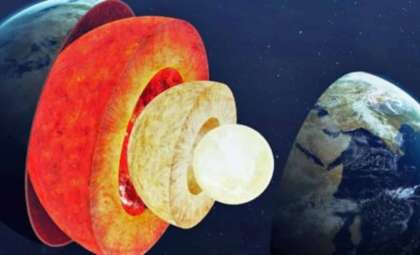
Large low-velocity provinces, or LLVPs, are puzzling zones located near the boundary of the lower mantle and outer core. Stretching thousands of kilometers, these regions uniquely slow seismic waves, implying they differ significantly in composition from the surrounding mantle material—potentially containing higher concentrations of iron or other dense elements. The origin of LLVPs has been debated for years, with dominant theories suggesting they consist of ancient subducted plates or primordial Earth components. The new research proposes a striking alternative: these provinces may be fragments of Theia’s iron-rich mantle left behind after its ancient collision with Earth. This interpretation fundamentally shifts our understanding of Earth's deep structure and geophysical anomalies.
The Role of Theia’s Colossal Impact in Earth’s Creation
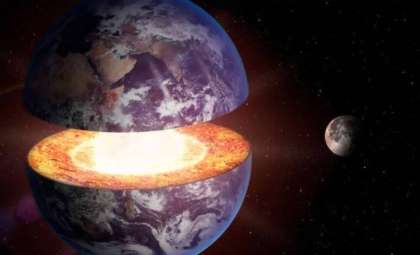
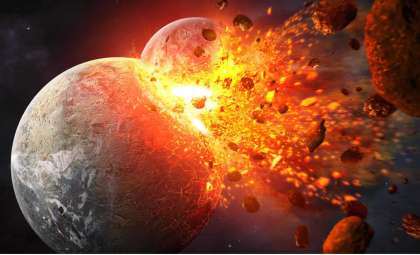
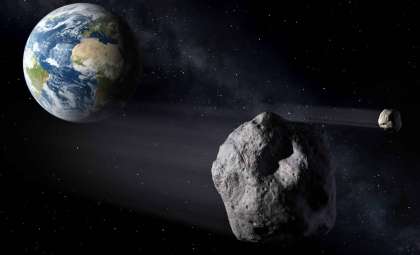
The giant-impact hypothesis suggests that a Mars-sized body called Theia collided with Earth about 4.5 billion years ago, generating debris that formed the Moon and altering Earth's internal layers. Yet, the disposition of Theia’s mantle material has remained elusive until now. The new findings show that Theia’s iron-rich mantle sections didn’t mix homogeneously with Earth’s mantle but instead plunged into the lower mantle to form the observed dense LLVPs. This breakthrough explains anomalies in Earth’s deep-layer composition and directly connects a primordial planetary collision with geological features still detectable today, revealing how ancient impacts influence planetary interiors across billions of years.

How Advanced Modeling Traced Theia’s Mantle Fragments
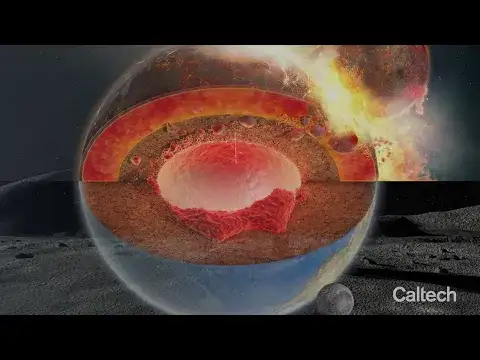
Using sophisticated simulations conducted by Caltech scientists, including Qian Yuan, the team recreated the giant-impact event and the following dispersal of Theia’s mantle components inside Earth. The models revealed that cooler lower mantle areas cushioned Theia’s denser iron-rich fragments, allowing them to settle near the core-mantle boundary instead of dispersing widely. These stable, heavy blobs align with the African and Pacific LLVPs mapped through seismic tomography, offering unprecedented insight into processes occurring far beneath the Earth’s surface. This explains the long-term stability of these features over geological timescales.
Impacts on Planetary Science and Earth's Geodynamics
The revelation that LLVPs may be remnants of Theia’s mantle carries major ramifications for both geoscience and planetary evolution. These dense iron-rich formations influence mantle convection patterns, which affect tectonic activity and Earth’s magnetic field generation. Additionally, terrestrial planets and moons that endured similar giant impacts likely contain comparable hidden structures. This understanding enhances our grasp of how massive impacts drive planetary differentiation and long-term evolution. The study encourages a reevaluation of the influence such subsurface relics have on surface geology and planetary dynamics observed today.
- Categories:
- News


0 comments
Sign in to Comment