
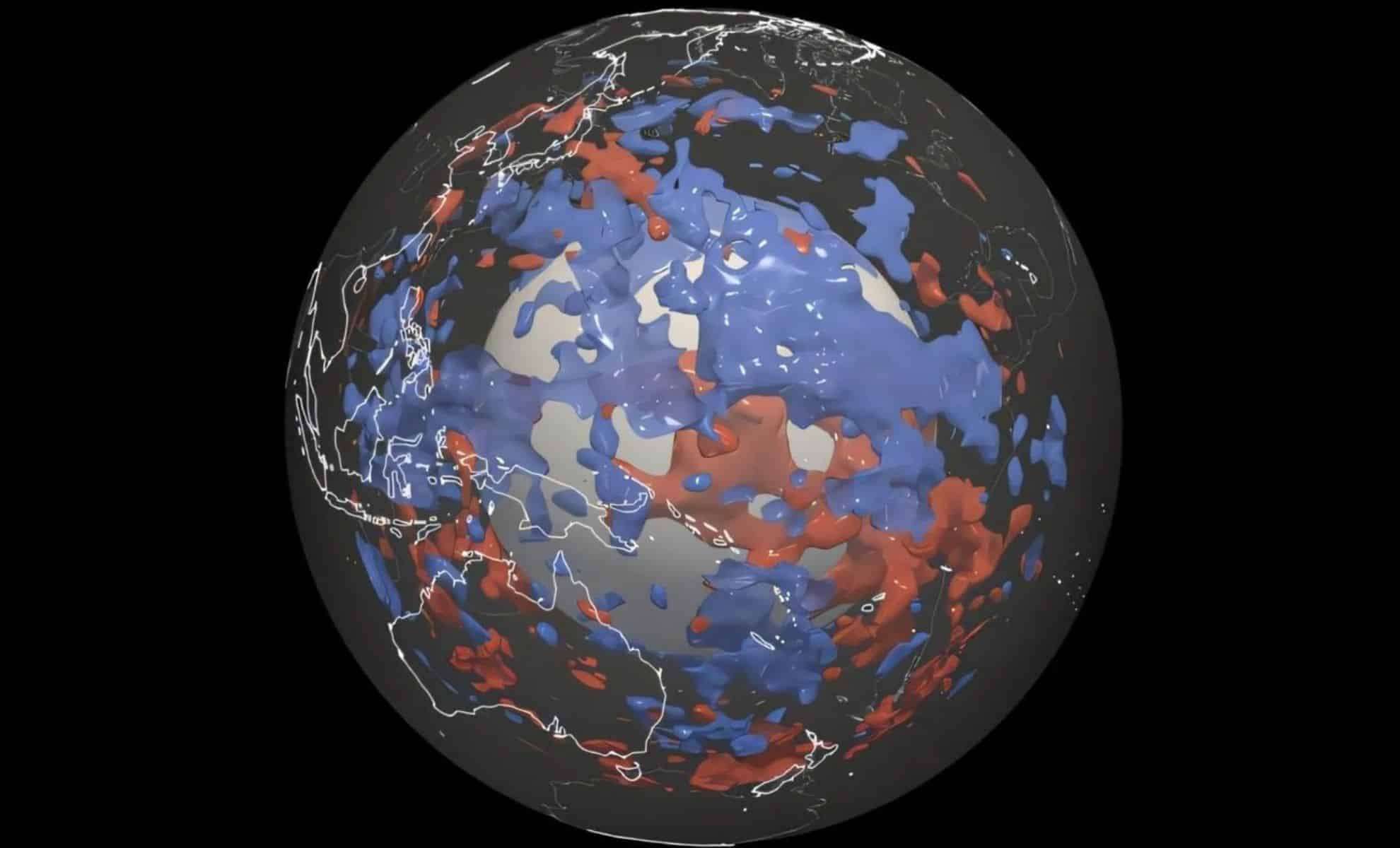
Far below the surface of our planet lie vast, enigmatic formations reshaping Earth's inner landscape. Termed superplumes, these immense aggregations of material, situated near the core, might be leftovers from ancient planetary impacts or the result of tectonic plate subduction. Though invisible to human eyes, these massive bodies could be driving phenomena ranging from volcanic eruptions to changes in Earth's magnetic shield. Researchers are now intensifying efforts to uncover their influence and what it means for Earth's evolution.
Revealing Earth’s Colossal Underground Structures
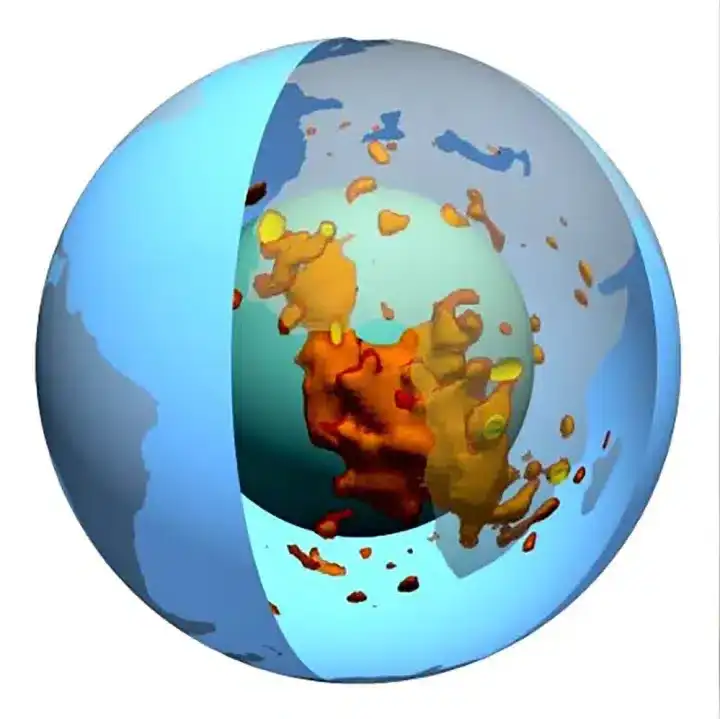
In a newly published article in Nature Communications, scientists from Arizona State University and the University of Rochester employed seismic tomography—a technique akin to X-ray imaging for the planet’s interior—to visualize these enormous formations that constitute nearly 8% of the mantle’s volume.
A prominent hypothesis suggests these superplumes are remnants of Theia, a Mars-sized body believed to have collided with Earth billions of years ago. This cataclysmic event may have created the Moon, while denser mantle fragments descended deep beneath the surface, forming the vast subterranean masses. Alternatively, some scientists propose that the accumulation of sinking tectonic plates from ancient continental clashes gave rise to these dense regions over geological time.

An Ongoing, Dynamic Force Hidden Beneath Us
Superplumes are dynamic, convecting masses interacting with the mantle’s flow, fueling major geological developments. The Earth’s core radiates heat, perpetually moving the mantle in slow currents that could feed volcanic hotspots and influence plate tectonics.
“Various processes, like plate tectonics, transport diverse rock types deep into the mantle,” explains Arizona State University seismologist Professor Edward Garnero. “Once these materials reach great depths, convection processes redistribute them toward hotter zones where these continent-sized thermochemical piles reside.”
This gradual yet potent mechanism potentially impacts continental movements, volcanic island creation, and the behavior of Earth’s magnetic field.
Superplumes’ Connection to Earth’s Magnetic Field Reversals
One of the most captivating aspects of superplumes is their possible involvement in magnetic pole reversals. Magnetic poles have flipped repeatedly over Earth’s history, and their triggers remain a subject of intense study. Emerging research points to superplumes beneath Africa and the Pacific as potential influencers.
“Traditionally, reversals were thought to begin at random spots, but our findings indicate otherwise,” states Dr. John Tarduno of the University of Rochester, lead author of the research. “Our data suggests that reversed polarity fluxes tend to cluster along the sharply defined boundaries of the African large low-shear velocity provinces.”
If these deep mantle structures disrupt molten iron flow in the core, it might explain the ongoing 16% decline in magnetic field strength since 1840, hinting toward an approaching pole flip.
The Implications of a Magnetic Pole Reversal
Should a magnetic reversal take place, it could generate significant disruptions. The magnetic North and South poles would invert, compromising compass-based navigation. More seriously, a diminished magnetic field would permit greater solar radiation exposure, threatening satellites, power infrastructure, and communications.
Scientists also warn that increased cosmic ray exposure could affect human health and technology. Given the possible link between superplumes and these magnetic changes, unlocking their secrets is vital to comprehending Earth's dynamic future.
- Categories:
- News








0 comments
Sign in to Comment