
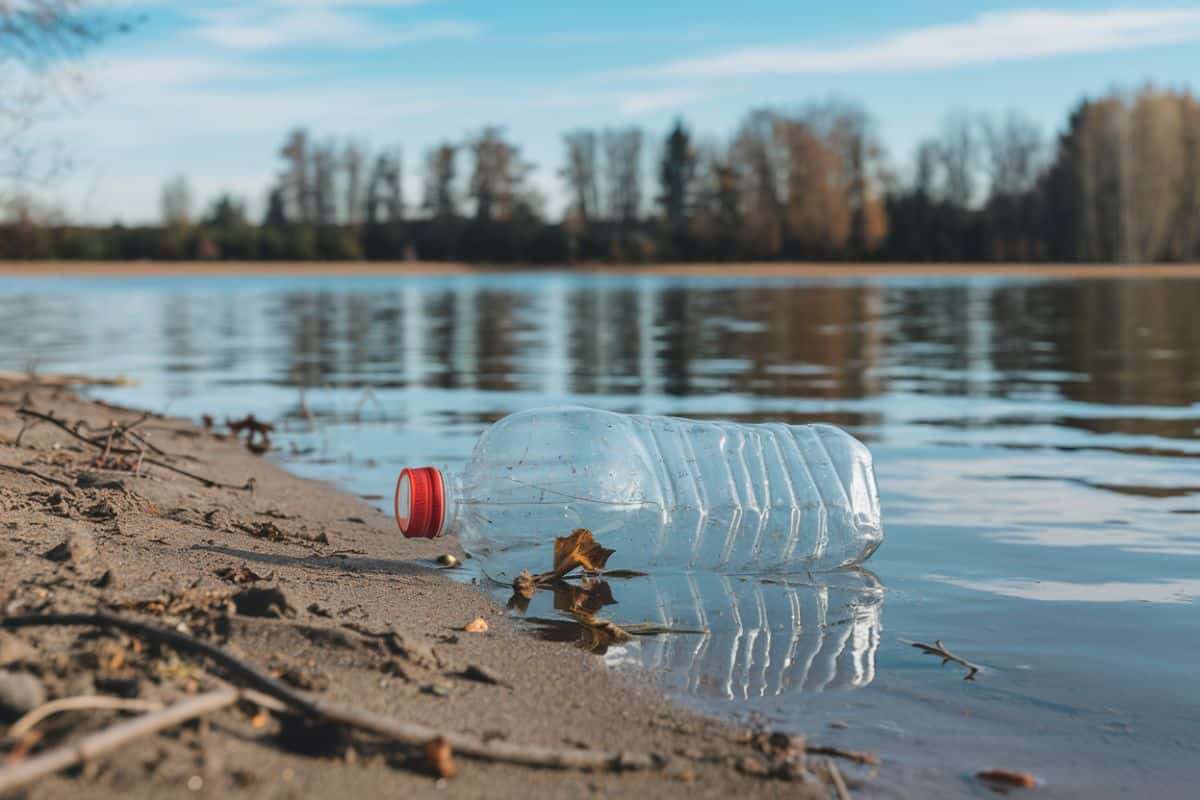
Researchers in South Korea have introduced a groundbreaking technique to efficiently degrade polyethylene terephthalate (PET), a common and environmentally harmful type of plastic. This innovative method uses a biocatalyst named KUBU-M12, which shows great promise for tackling the escalating problem of plastic pollution.
The Environmental Impact of PET Plastics
PET plastics are widely used in products like water bottles, clothing fibers, and car seatbelts. Despite their convenience, these plastics pose significant environmental challenges. Derived predominantly from petroleum, manufacturing PET contributes to greenhouse gas emissions, and their complex structure makes recycling difficult. Consequently, large amounts of PET end up polluting landfills, rivers, and oceans, damaging ecosystems and aquatic life.
Plastic recycling rates remain dismally low globally. In the United States, for instance, only about 5% of plastic waste undergoes recycling, according to Beyond Plastics. Even sorted plastics often suffer from contamination or inefficiencies, leading them to be incinerated or discarded instead of properly recycled.

The Promise of KUBU-M12 Biocatalyst
To confront this mounting environmental challenge, a team at South Korea’s Kyungpook National University has engineered KUBU-M12, a biocatalyst that facilitates the rapid degradation of PET plastics. Biocatalysts accelerate chemical reactions by emulating natural enzymatic processes. KUBU-M12 enhances the breakdown of PET, mimicking natural decomposition but at a much faster pace.
“This breakthrough enables the continuous recycling of even heavily contaminated plastics that conventional methods cannot process,” said Professor Kim Kyung-jin, one of the lead researchers. Handling contaminated plastics is a significant advancement since contamination often obstructs effective recycling.
In tests, KUBU-M12 demonstrated record-setting efficiency in degrading PET, suggesting it could significantly lower plastic waste accumulation and overcome key limitations of existing recycling technologies.
Importance of This Innovation
Despite growing initiatives to reduce single-use plastics and develop biodegradable options, the vast amount of existing petroleum-based plastics remains a critical environmental threat. Experts emphasize that innovative recycling solutions are crucial for lessening the long-term impacts of these materials.
Current PET recycling often involves "downcycling", where plastics are converted into lower-quality products that cannot be recycled further. Conversely, KUBU-M12’s process supports "permanent recycling", enabling repeated reuse of plastics without quality loss.
This advancement could also catalyze improvements in recycling systems at both governmental and industrial levels.
Obstacles and Future Directions
While promising, the real-world success of KUBU-M12 depends on scaling the technology and integrating it into existing waste management frameworks. Challenges like cost, energy use, and industrial compatibility will require thorough solutions.
Addressing plastic pollution demands a comprehensive strategy. Although advances like KUBU-M12 are vital, experts caution that reducing plastic production and consumption remains essential.
This involves encouraging alternative materials, enforcing stricter limits on single-use plastics, and increasing public understanding of plastic’s environmental effects.
A New Ray of Optimism
The invention of KUBU-M12 offers a hopeful outlook in the global battle against plastic pollution. Though much work remains, this achievement highlights how science and innovation can provide effective interventions for major environmental issues.
Ultimately, the call to action is urgent: the world must quickly adopt solutions addressing both the causes and effects of plastic waste. Advances like KUBU-M12 could help shift humanity’s approach to plastics from uncontrolled disposal to sustainable stewardship and responsible management.
- Categories:
- News











0 comments
Sign in to Comment