

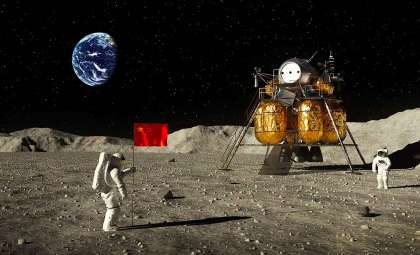
Inventors from the UK and Canada are striving to create groundbreaking methods to generate clean water on the moon, supporting the future of space exploration.
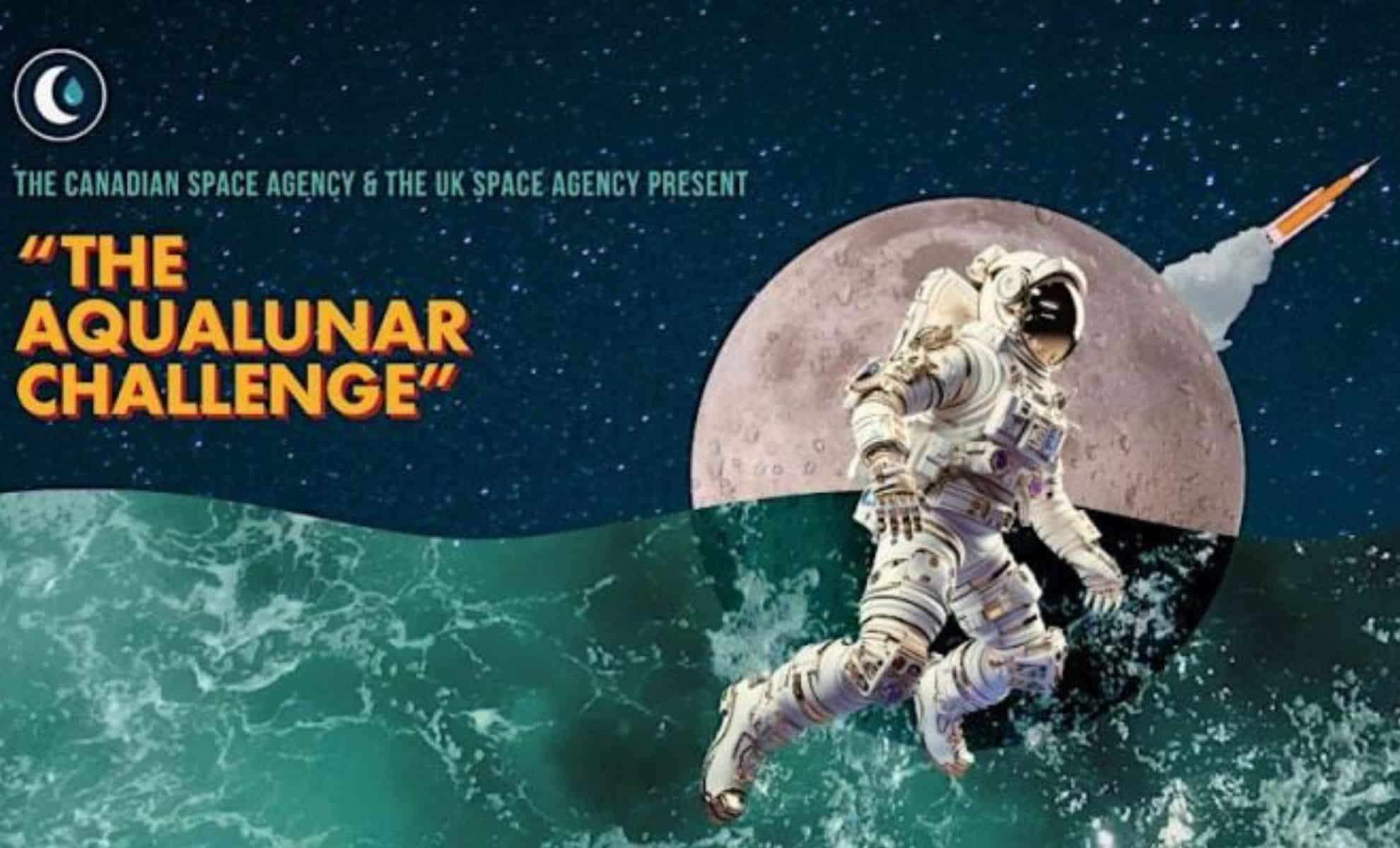
The Aqualunar Challenge brings together ten teams that are exploring various techniques to extract and purify water from the ice deposits found in lunar craters.
About the Aqualunar Challenge
The UK Space Agency and Canadian Space Agency have partnered to launch the Aqualunar Challenge, awarding each of the ten teams £30,000 in initial funding. This financial support fuels the creation of vital water purification systems needed for sustainable human presence on the moon.

The competition promotes a range of inventive approaches aimed at establishing a dependable water source for future lunar settlements. Lolan Naicker, representing Naicker Scientific Ltd and one of the UK finalists, remarked, “It’s incredibly challenging to develop a viable solution.”
Intended to inspire innovation and encourage collaboration among experts from diverse disciplines, this challenge is a part of a broader strategy to enhance lunar exploration capability and ensure astronauts can maintain life-support systems on the moon.
Novel Water Purification Techniques
The teams participating in the challenge are deploying various cutting-edge methods to process lunar ice. For example, Naicker Scientific Ltd plans to utilize a microwave oven to thaw contaminated lunar ice. Lolan Naicker shared, “I’m planning to purchase a microwave from Tesco today, dismantle it, extract the magnetron, and integrate it into the initial phase of my purification system.”
After melting the ice, intense sound waves will be applied to generate countless microscopic bubbles in the water, which produce extreme temperatures and pressures. This process creates free radicals that decompose impurities within the water.
Though still experimental, this innovative method offers promising avenues to cleanse lunar ice amid the moon’s extreme environment. The inventive use of everyday objects such as a microwave oven showcases the resourcefulness fueling this initiative.
Impacts Beyond the Moon
The Aqualunar Challenge’s technologies could have valuable applications beyond lunar missions. Meganne Christian, a UK Space Agency reserve astronaut and head of the challenge’s judging panel, pointed out that “Water ice exists on Mars, for instance, so these techniques could be repurposed for Mars and other planets as humanity ventures further into space.”
Moreover, innovations born from this competition could benefit Earth communities. Naicker suggested the potential for scaling these water purification systems to assist war zones or developing countries facing critical water shortages. This dual-purpose benefit highlights the challenge’s significance in pushing forward both space exploration and global humanitarian efforts.
Next Steps and Timeline
The teams have seven months to develop their prototypes before the winners are revealed in spring 2025. The top prize and two runner-up awards, totaling £300,000, will fund further refinement of these technologies. The Aqualunar Challenge represents a pivotal milestone in enabling continuous human activity on the lunar surface.
The UK Space Agency and Canadian Space Agency are dedicated to nurturing these breakthrough innovations, recognizing the essential role of reliable water production for successful lunar missions. Meganne Christian emphasized, “These advancements could play a critical role in establishing sustainable living conditions on the Moon.” The initiative also strengthens international cooperation in space exploration and prepares the groundwork for missions extending to Mars and beyond.
- Categories:
- Astronomy ,
- News ,
- Science ,
- Space







0 comments
Sign in to Comment