
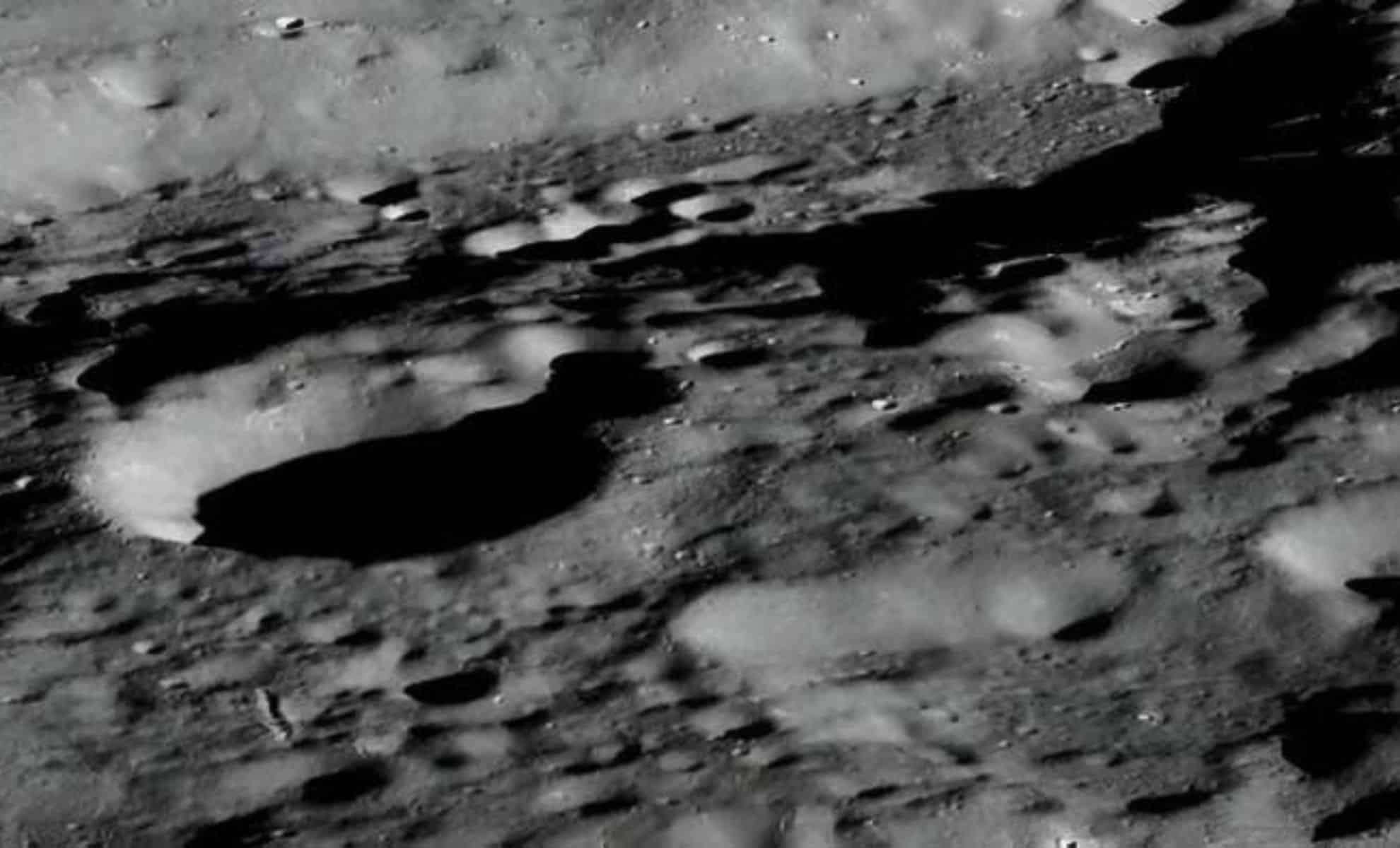
New examinations of lunar soil samples returned by China’s Chang’e-5 spacecraft confirm the presence of water molecules, marking a pioneering achievement in the study of the moon.
These findings provide deeper understanding of the moon’s surface composition and highlight promising prospects for harnessing lunar water in upcoming space missions.
Water Molecules Found in Moon Samples
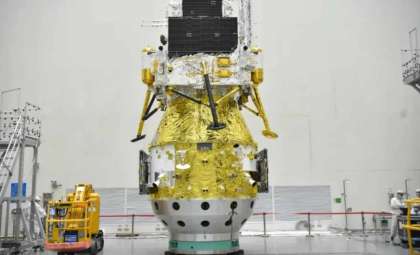
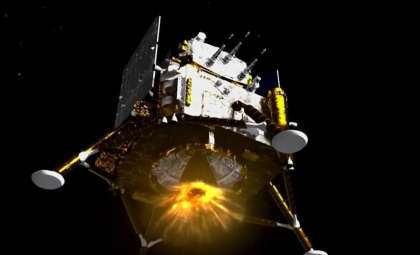
Researchers in China have detected water molecules embedded in the moon’s regolith collected by the Chang’e-5 lander. Returned to Earth in late 2020, these samples have unveiled fresh evidence that water exists in forms more varied than previously confirmed. Unlike earlier discoveries focusing mainly on ice, the Chang’e-5 analysis reveals that water can survive within hydrated salt compounds even on areas exposed to direct sunlight.

This revelation is significant as it implies lunar water is likely more abundant and stable under sunlight than assumed. The observation of such hydrated salts suggests future astronauts might extract these resources from sunlit lunar regions, easing logistical constraints for sustained lunar exploration.
Scientific Impact and Future Exploration
Hydrated minerals found in the Chang’e-5 sample set demonstrate that water molecules are chemically bound within the moon’s dust particles. This discovery, documented in Nature Astronomy, proposes that the moon’s water is more readily accessible than just ice deposits. Enabling techniques to retrieve this water could support life support systems and fuel production for crewed missions, vastly improving self-sufficiency during surface operations.
Since these hydrated salts remain stable across sunlight exposures, extracting water from them may present fewer technical challenges. This potentially reduces dependence on Earth-supplied water, cutting down costs and facilitating longer stays on the lunar surface.
Boosting China’s Lunar Ambitions
Chang’e-5, China’s first lunar sample-return mission in over 40 years, marks a remarkable step forward for the nation’s space program. Building on the success of earlier projects like Chang’e-4, China has positioned itself at the forefront of lunar exploration.
China’s space initiatives are rapidly closing the gap with established powers such as the U.S. and Russia, aiming for crewed lunar landings by 2030 and the establishment of a permanent lunar base. These new water findings support China’s expanding role and ambitions in off-world exploration, showcasing advanced technological capabilities and scientific leadership.
Revolutionizing Future Moon Missions
The identification of water molecules in the Chang’e-5 lunar regolith represents a critical advancement in lunar science. Beyond illuminating the moon’s geochemical processes, this discovery unlocks strategic opportunities for sustainable exploration.
Utilizing accessible lunar water can dramatically reduce the reliance on costly Earth resupply missions. Moreover, it could facilitate the generation of oxygen and rocket fuel, pivotal for long-term human presence and further deep space endeavors.
As China pushes forward in its ambitious space agenda, these insights into lunar water are set to influence future mission designs and resource utilization strategies. Ongoing studies and missions will likely unveil additional secrets, enriching humanity’s understanding of our nearest celestial neighbor.
- Categories:
- Astronomy ,
- News ,
- Science ,
- Space






0 comments
Sign in to Comment