
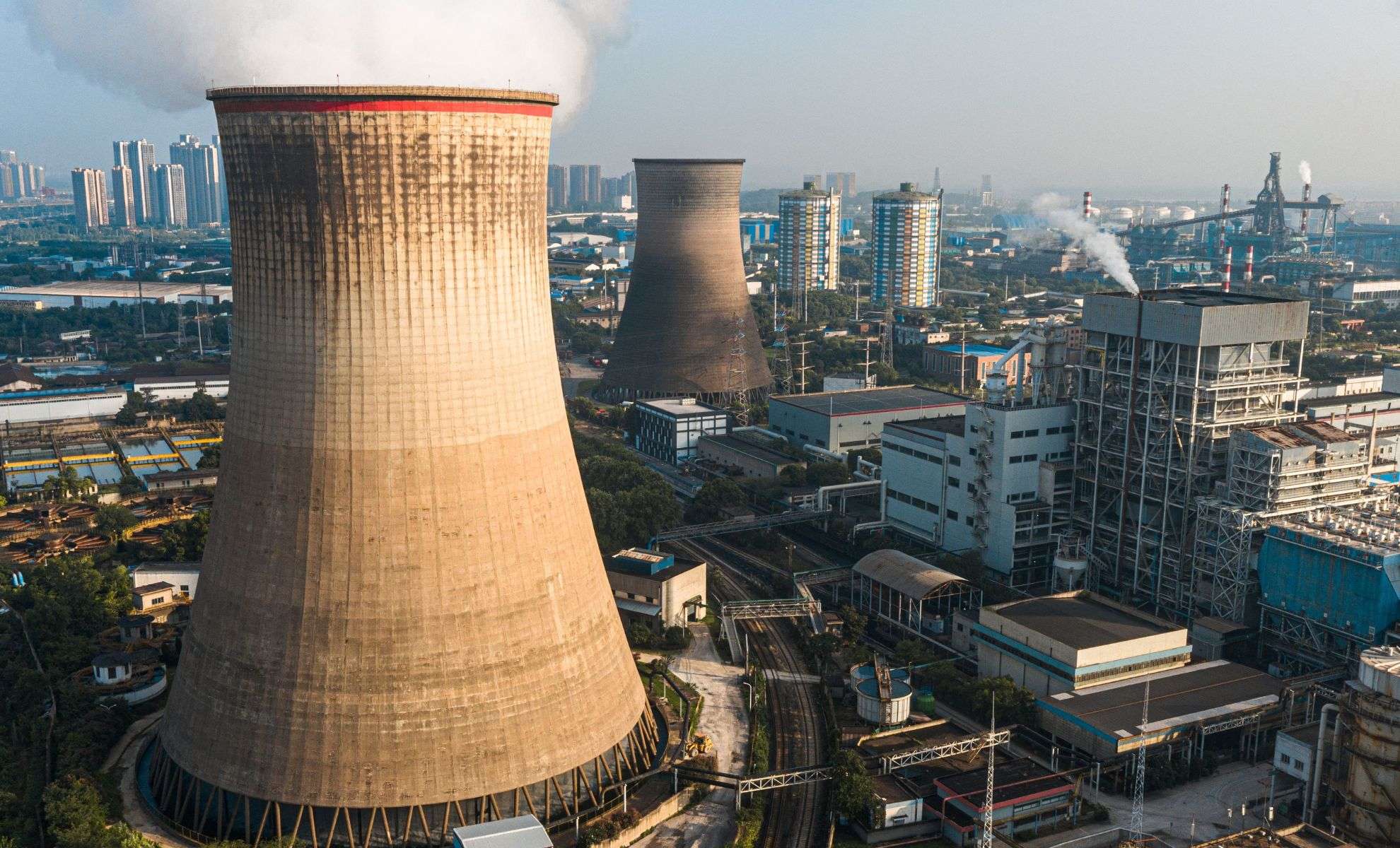
According to Le Figaro, Japan is progressing toward building a new nuclear reactor, the first such project considered since the 2011 Fukushima catastrophe. Kansai Electric, a regional power provider, has revealed intentions to undertake geological assessments aimed at evaluating the replacement of one of the obsolete reactors at the Mihama nuclear facility. This initiative aligns with Japan’s larger ambition to harmonize its energy demands with environmental commitments following the Fukushima event.
Proceeding Carefully with Nuclear Power
The Fukushima Daiichi nuclear disaster, triggered by a devastating tsunami in 2011, caused the shutdown of Japan’s entire fleet of nuclear reactors. This event deeply undermined public confidence in nuclear energy and led to a complete revision of the nation’s energy strategy.
Nonetheless, Japan’s energy environment has shifted over time. Faced with greater dependence on imported fossil fuels and a growing impetus to develop cleaner energy, the government has revisited nuclear power’s role as a potential contributor to long-run energy and environmental objectives.


Kansai Electric’s Strategic Initiative
The announcement from Kansai Electric marks a pivotal change in Japan’s nuclear energy stance. The utility is set to study the feasibility of constructing a new reactor to replace one currently operating at Mihama. “Considering our nation’s scarcity of natural resources… nuclear energy must fulfill its role moving forward,” stated Nozomu Mori, the company’s president. Following years of halted nuclear development, this assessment indicates a tentative but meaningful advance.
The project’s timeframe remains indefinite, with experts estimating up to two decades before activation. Costs are estimated around $6.8 billion, reflecting a substantial investment in securing Japan’s future energy infrastructure.
Japan’s Shifting Perspective on Nuclear Power
The role of nuclear energy in Japan has sparked intense debate after the Fukushima disaster. Initial public resistance led to widespread protests against nuclear facilities. However, perspectives are evolving. Japan’s commitment to achieving carbon neutrality by mid-century has fostered renewed governmental endorsement of nuclear power as a dependable, low-carbon energy source. Increasing electricity consumption, driven by technological advances like artificial intelligence and data centers, highlights the necessity for a varied and resilient energy mix.
The current policy promotes restarting existing reactors, while public apprehension about nuclear energy appears to wane gradually. Though still controversial, the prospect of building new reactors reflects a marked policy shift. Kansai Electric’s geological studies could signal the beginning of a nuclear renaissance in Japan.
Looking Ahead: Japan's Energy Strategy
Although the new reactor project at Mihama is still in its early stages, it symbolizes a notable redirection in Japan’s energy planning. Striking a balance between energy security, safety, and public acceptance will be critical for upcoming nuclear initiatives. Japan’s energy future will likely involve a blend of conventional and renewable technologies, with nuclear power playing an increasingly significant role in the country's energy landscape.





0 comments
Sign in to Comment