
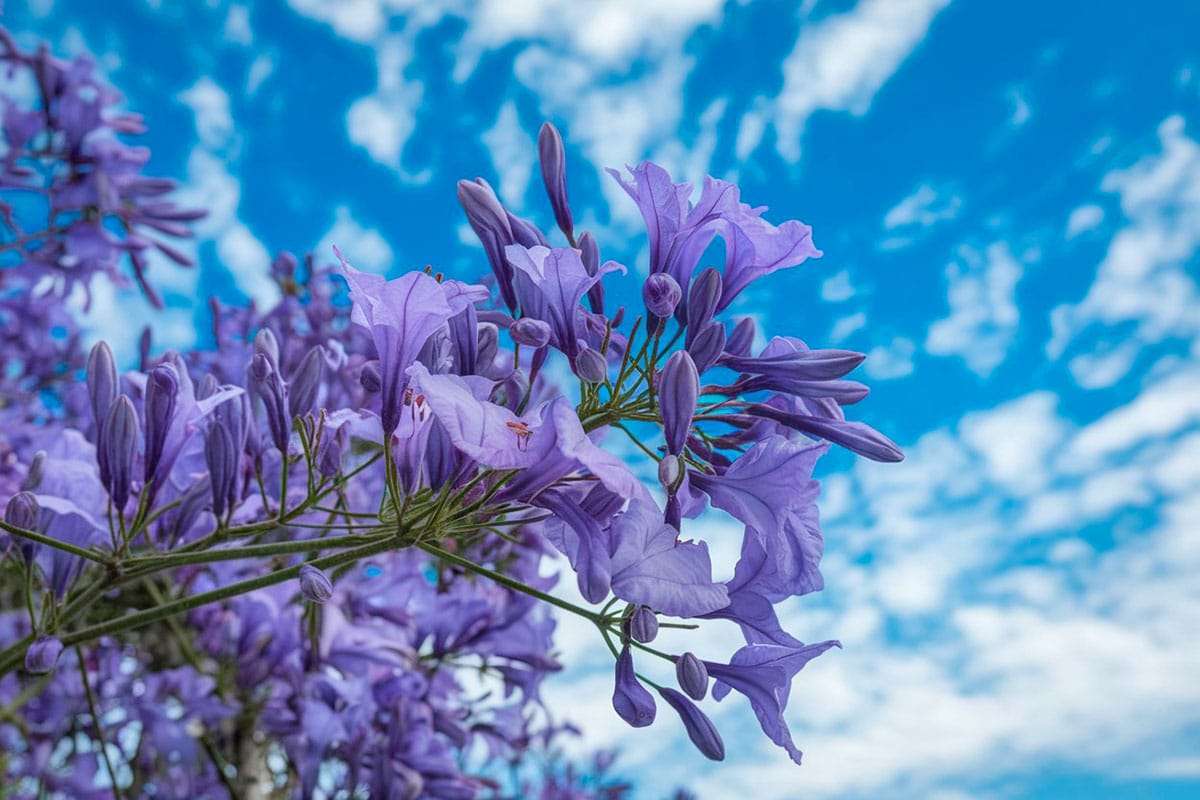
Paulownia is a remarkable tree known for its extraordinary growth speed, capable of reaching heights nearing 40 feet within just a few years, surpassing even the fastest-growing bamboo species. Several factors drive this accelerated development:
- Strong, widespread root system
- Large leaves optimized for maximum photosynthesis
- Ability to thrive in a variety of soil conditions
- Exceptional tolerance to harsh temperature extremes
Its expansive root system draws nutrients and moisture from a broad area, fueling vigorous growth. The tree’s broad, heart-shaped leaves, which can extend up to 12 inches, create an ideal surface for photosynthesis, further promoting quick maturity.
The adaptability of Paulownia mirrors the impressive resilience found in some avian species. For example, the Kagu, a symbol of New Caledonia, has experienced a notable population surge recently, illustrating nature’s power for revitalization under favorable circumstances.

Brilliant Blossoms and Environmental Perks
While rapid growth captures attention, Paulownia’s stunning spring flowers also shine. Before the leaves appear, the tree bursts into fragrant, lavender-pink bell-shaped flowers that create a captivating display and provide an important nectar source for pollinators.
Beyond its visual appeal, Paulownia delivers multiple ecological benefits:
Its ability to flourish in urban settings makes it a valuable choice for city planners aiming to expand green zones and counteract urban heat effects.
How to Grow Your Own Paulownia Tree
If you want to bring this botanical marvel into your garden, follow these steps for successful cultivation:
- Planting: Select a sunny area with well-drained soil. Dig a planting hole twice the size of the root ball and mix in compost when backfilling.
- Watering: Keep the soil consistently moist during the first year, especially when the upper 2-3 inches dry out.
- Feeding: Use a nitrogen-rich organic fertilizer every two weeks throughout the growing season.
- Pruning: Trim young trees early in spring to establish a sturdy framework.
With consistent care, your Paulownia will swiftly mature into a stunning garden centerpiece, offering shade and enhancing biodiversity.
More Than Just a Decorative Tree
Paulownia’s rapid growth and versatile properties extend far beyond its ornamental charm. Its wood is lightweight yet durable, making it highly sought after for:
- Crafting furniture
- Manufacturing musical instruments
- Sustainable lumber production
In Japan, where it is known as kiri, Paulownia holds traditional cultural value. Historically, a tree was planted to honor the birth of a baby girl, and its wood would later be used to create her wedding dowry chest.
As climate shifts present increasing challenges for gardeners and landscapers, Paulownia stands out as a resilient solution. Its fast growth, adaptability, and multifunctional benefits make it an ideal candidate for private gardens and public green spaces alike.
Incorporating this fast-growing flowering tree into your environment means embracing not only aesthetic and shade benefits but also supporting a new wave of ecological gardening. Paulownia exemplifies nature’s brilliance and our ability to integrate it into sustainable landscape practices for a greener future.
- Categories:
- Evolution ,
- Trends













0 comments
Sign in to Comment