
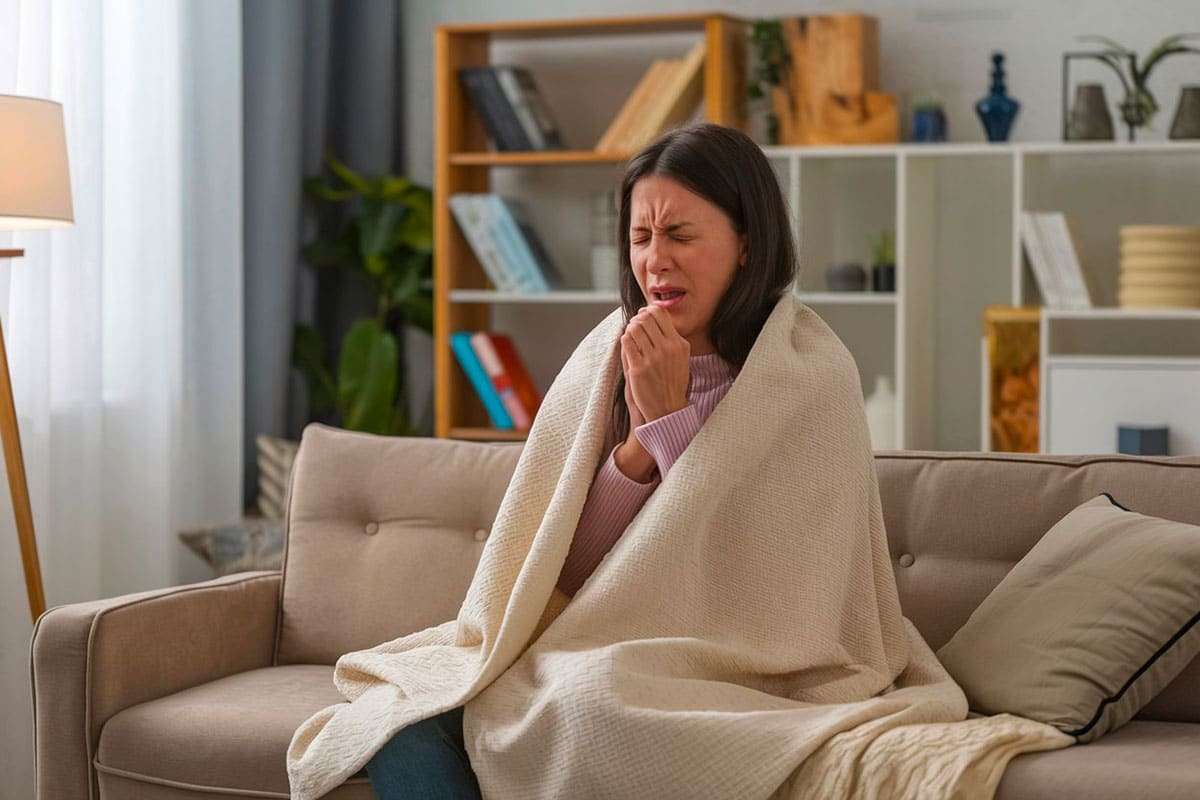
Even when your thermostat indicates a cozy setting, several factors influence how warm you actually feel indoors. Grasping these elements is essential to ensuring your living space truly feels comfortable.
The role of insulation is critical in keeping indoor temperatures stable. Inadequate insulation in walls, windows, or floors allows heat to escape, resulting in rooms that feel cooler than the thermometer suggests. Cold surfaces often reveal where insulation is lacking and outdoor cold is penetrating inside.
Humidity also affects thermal comfort. Both extremely dry and overly humid air can alter our sensation of temperature:

- Heating systems tend to dry out indoor air, accelerating moisture loss from the skin and creating a cooler feeling.
- On the other hand, excess humidity can make the air feel heavy and chill surfaces, contributing to an uncomfortable cold sensation.
Maintaining indoor humidity between 40% and 60% helps improve warmth perception. Using tools like humidifiers or dehumidifiers can help keep humidity at this ideal range.
How airflow influences temperature feeling
Air currents within your home can significantly impact how warm a room feels, even if the air temperature is adequate. Drafts creeping in through gaps near windows, doors, or ventilation shafts can cause a noticeable cold sensation by lowering the perceived warmth.
To reduce unwanted drafts, try these methods:
- Seal any openings around windows and door frames to block cold air entry.
- Inspect and fine-tune your ventilation system to prevent excessive cooling of indoor air.
- Install draft stoppers or door snakes to limit airflow beneath doors.
Good air circulation is vital for comfort, and note that staying well-hydrated throughout the day aids your body’s temperature regulation, helping you feel warmer.
Factors unique to individuals that affect cold sensitivity
Your personal biology and mental state influence how you experience temperature. Several key aspects include:
Recognizing these personal influences can help you better manage cold discomfort. For example, reducing stress may improve your warmth sensation without needing to increase your heating.
Effective ways to make your home warmer
Understanding why a room feels cold despite sufficient heating allows you to try practical fixes for better warmth:
Wearing layers made of heat-retaining fabrics like wool often provides more comfort than simply raising the thermostat, while also saving energy.
Home decor choices also affect perceived warmth, such as:
- Installing heavy curtains to keep heat inside.
- Adding rugs to cold floors to enhance insulation and warmth underfoot.
- Using warm-colored lighting or candles to create a snug atmosphere.
Optimize heating equipment by making sure radiators aren’t blocked and exploring programmable thermostats, which can efficiently adjust heat based on your lifestyle.
Applying these tactics helps cultivate a welcoming and warm home, no matter if the thermostat shows 68°F. The sensation of warmth arises from a combination of multiple factors, and addressing them all can lead to a much cozier living space.
- Categories:
- Trends












0 comments
Sign in to Comment