
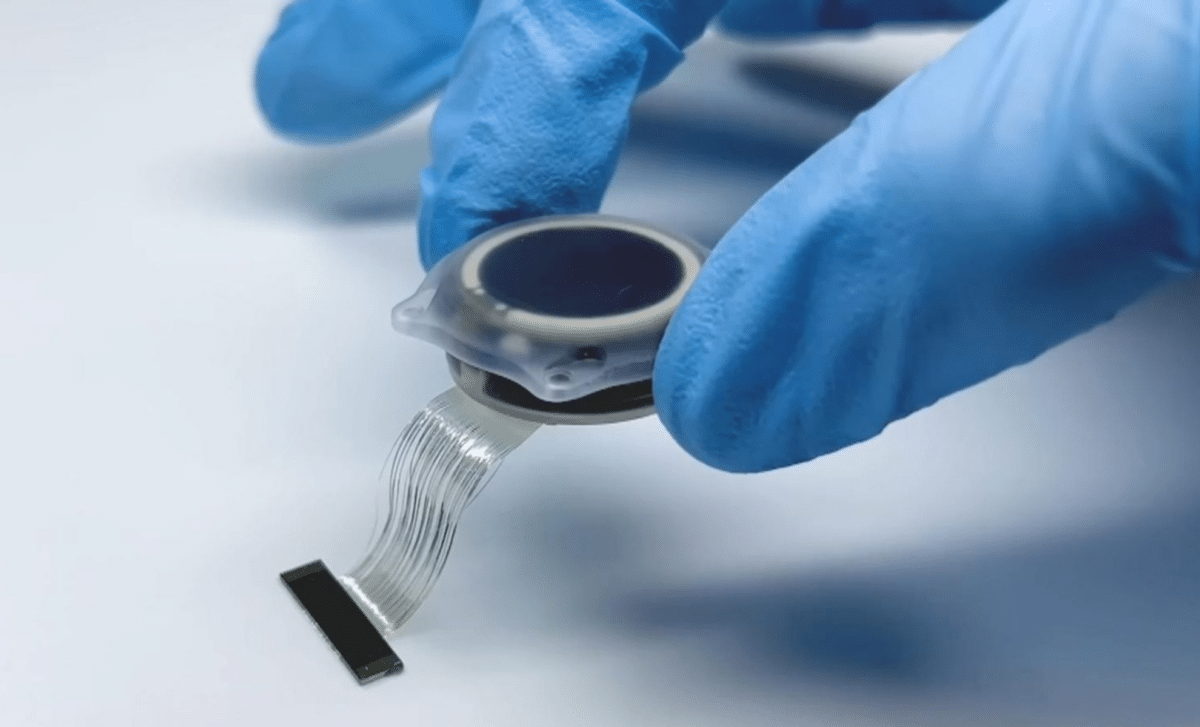
A participant in the inaugural UK study of Elon Musk’s revolutionary Neuralink implant reports a profound change in his life perspective. This innovative device is engineered to enable individuals with extreme paralysis to operate computers through neural activity alone. The trial is currently being held at a prominent hospital in London, sparking renewed conversations about advancements in neurological treatment.
Adjusting to Life After Sudden Paralysis and the Role of Neural Technology
Experiencing a sudden spinal cord injury alters daily life drastically. “Suddenly losing control over your limbs is a devastating shift,” shared Sebastian Gomez-Pena, a volunteer in the UK’s first Neuralink trial. His paralysis rendered him dependent on caregivers for most activities, a challenge faced by countless individuals with similar neurological impairments. This loss of independence often extends beyond the physical to significant mental and emotional struggles, especially as digital engagement is integral to everyday living. Regaining even limited interaction with devices can dramatically impact communication, employment opportunities, and social connections. For Gomez-Pena, the implant transcends experimental status; it symbolizes a renewed hope for his future. “This technology offers a fresh sense of possibility,” he remarked, highlighting the emotional significance of the device’s early achievements.
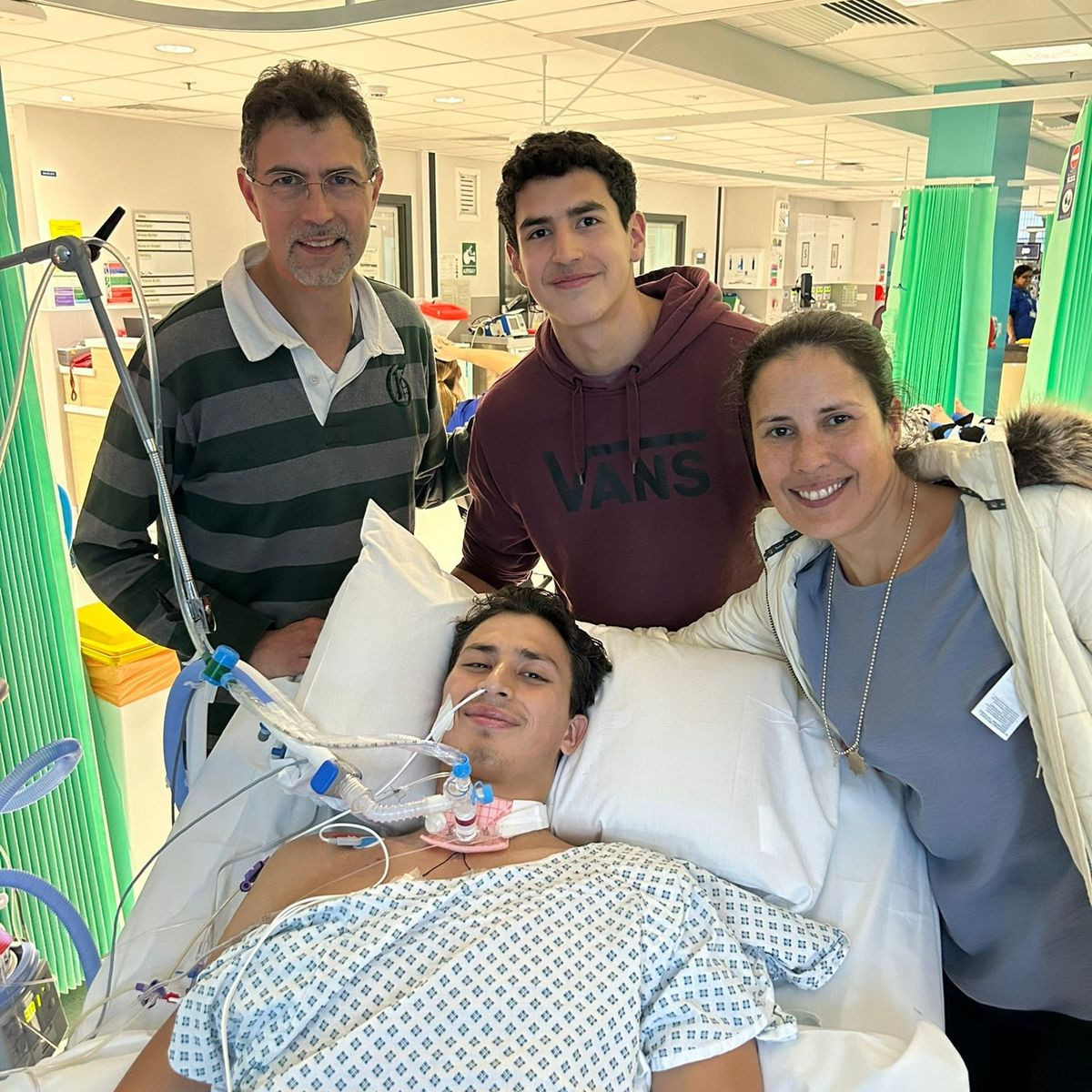
The UK Neuralink Trial at a Leading London Medical Center
This pioneering research is underway at University College London Hospitals (UCLH), placing the UK among a select group of nations implementing Neuralink’s brain-machine interface in clinical trials. The approach involves implanting delicate electrodes into brain tissue to decode neural signals and convert them into digital inputs. Medical professionals emphasize the procedure’s intricacy and thorough supervision. Initial tests focus on simple tasks like moving a cursor or selecting letters on a screen, with aspirations to enhance control precision and capabilities as the trial progresses. The patient’s advancements have impressed the clinical team.

“It’s mindblowing – you can see the level of control that he has,” said Harith Akram, a neurosurgeon at UCLH and lead investigator of the UK trial.
His view is grounded in careful observation and much hope for the future.
Medical Experts Reflect on Preliminary Findings
Mr Akram notes that early indicators reveal promising benefits for those with severe disabilities. He believes these initial results support continuing research and larger-scale studies. His perspective underscores the implant's potential to fill a vital need among patients with limited therapeutic options. “This technology could revolutionize care for individuals facing significant neurological impairments,” he stated, emphasizing the increasing importance of such devices in an increasingly digital world. “With our dependence on technology, these tools offer much-needed avenues toward greater independence for these patients.” Coverage by Sky News highlights that clinicians view the implant not as a cure, but as a critical connection to everyday technology, from messaging to smart home control.
Neuralink’s Mission and the Ethical Conversation
Founded by Elon Musk, Neuralink aims to merge medical innovation with cutting-edge engineering. The company's stated purpose is to “restore independence to individuals with unmet medical needs while unlocking new horizons of human capability.” This vision places the technology at the heart of ongoing ethical, medical, and societal discussions. Supporters highlight the prospects of enhancing life quality for those affected by paralysis and degenerative neural diseases. Meanwhile, skeptics call for caution, demanding transparency and robust long-term safety evidence before widespread implementation. The independent UK trial adds a significant global perspective, providing data external to the United States. As findings continue to emerge, healthcare regulators and providers will face critical decisions on integrating this technology within public systems.
- Categories:
- Science









0 comments
Sign in to Comment