
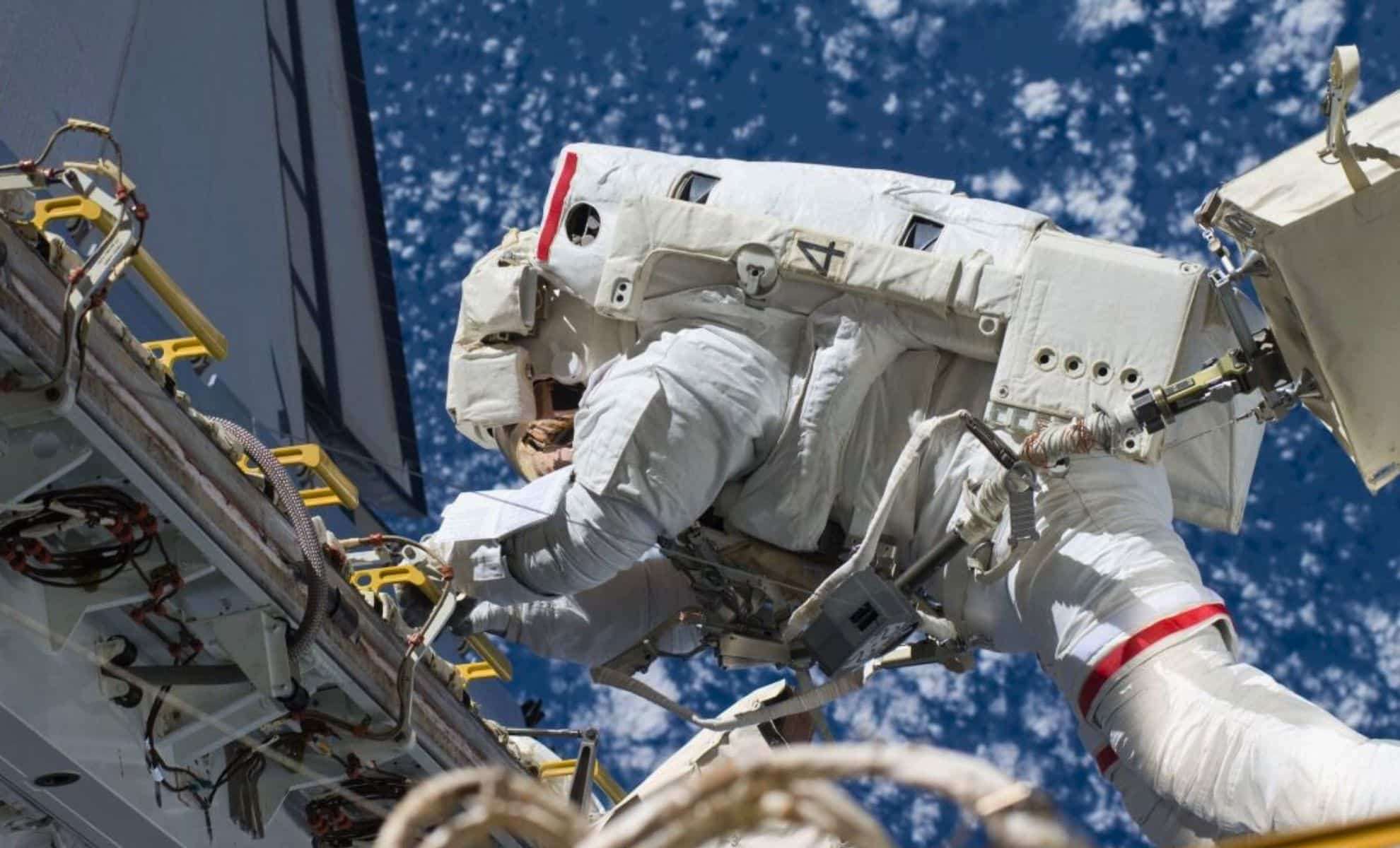
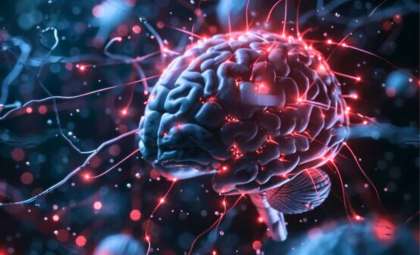
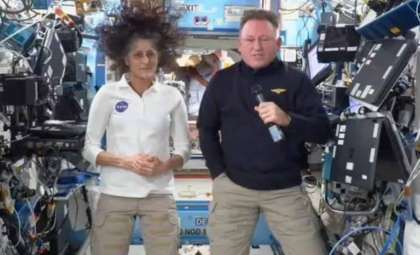
Traveling beyond Earth’s atmosphere introduces unique obstacles for space travelers, especially concerning the effects on their brain function. New findings from NASA shed light on how extended stays in space — confronting challenges like space radiation, altered gravity, and disrupted sleep patterns — influence astronauts’ mental abilities. This investigation included cognitive assessments of astronauts who lived aboard the International Space Station (ISS) for approximately six months.
NASA's Approach to Monitoring Astronauts’ Cognitive Health
The study evaluated the mental performance of 25 astronauts by administering a series of 10 carefully designed cognitive tests. These tests targeted multiple mental faculties such as processing speed, visual memory, attention span, and decision-making abilities under the extreme stressors encountered in space. Astronauts underwent testing at five critical intervals during their missions:
- Before launch: Establishing baseline data.
- Shortly after arrival at the ISS.
- Near mission end: Just before returning to Earth.
- Immediately post-mission: Soon after coming back.
- Several months post-mission: To monitor recovery progress.
This comprehensive study is the largest effort to date assessing the cognitive well-being of astronauts in orbit, offering crucial data on the psychological effects of space travel.

Transient Changes Without Lasting Cognitive Damage
The research identified some temporary decreases in certain brain functions during spaceflight. However, the most significant conclusion is the absence of any permanent mental decline. Functions like processing speed, concentration, and memory exhibited minor variations throughout the mission but did not indicate any long-term neurological harm.
Summary of cognitive outcomes:
- Processing speed: Mild reduction near mission’s end, recovering after return.
- Attention: Focus decreased noticeably in later stages.
- Visual memory: Temporary drops with improvement post-flight.
- Decision-making: Slight effects, without impairing important tasks.
These changes reflect the challenges posed by fatigue, stress, and living in a microgravity environment. Fortunately, the effects were short-term and did not translate into lasting damage.
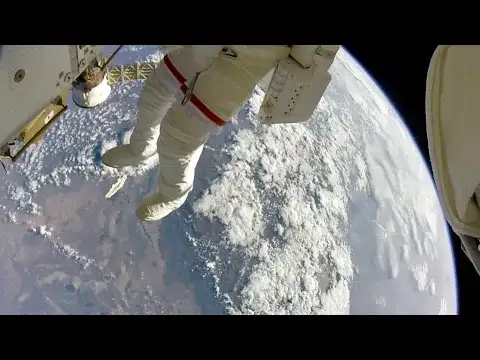
Influence of Stress, Sleep Disruption, and Weightlessness
The study highlights key contributors to these temporary cognitive fluctuations. Astronauts experienced disturbed sleep rhythms caused by the absence of a natural light-dark cycle in orbit, coupled with extended work hours and the physical challenges presented by the weightless environment.
These conditions mirror those on Earth under extreme stress or sleep deprivation, which are known to induce brief reductions in mental performance.
Elements affecting mental function include:
- Sleep irregularities: Disrupted rest patterns may impair memory and focus.
- Microgravity: The absence of gravity influences physical and brain function, slightly slowing processing speed.
- Fatigue and stress: Intense workload and pressure can temporarily weaken cognitive abilities.
Despite these hurdles, astronauts showed impressive adaptability, with cognitive health largely returning to normal after their return to Earth.
Implications for Future Deep Space Expeditions
As human space missions expand beyond low Earth orbit to ambitious destinations like the Moon and Mars, understanding how the brain behaves in space is vital for ensuring crew safety and mission effectiveness. This research establishes a foundation for upcoming studies, clarifying how prolonged exposure to the space environment impacts cognitive capacity.
The table above illustrates variations in cognitive function across different mission stages. While some faculties showed temporary dips, all returned to or remained steady at baseline levels after astronauts re-entered Earth’s environment.
This research offers essential guidance for planning long-duration, deep-space missions. Recognizing and managing these temporary cognitive shifts will be fundamental in safeguarding astronauts and ensuring operational success under extreme conditions.






0 comments
Sign in to Comment