
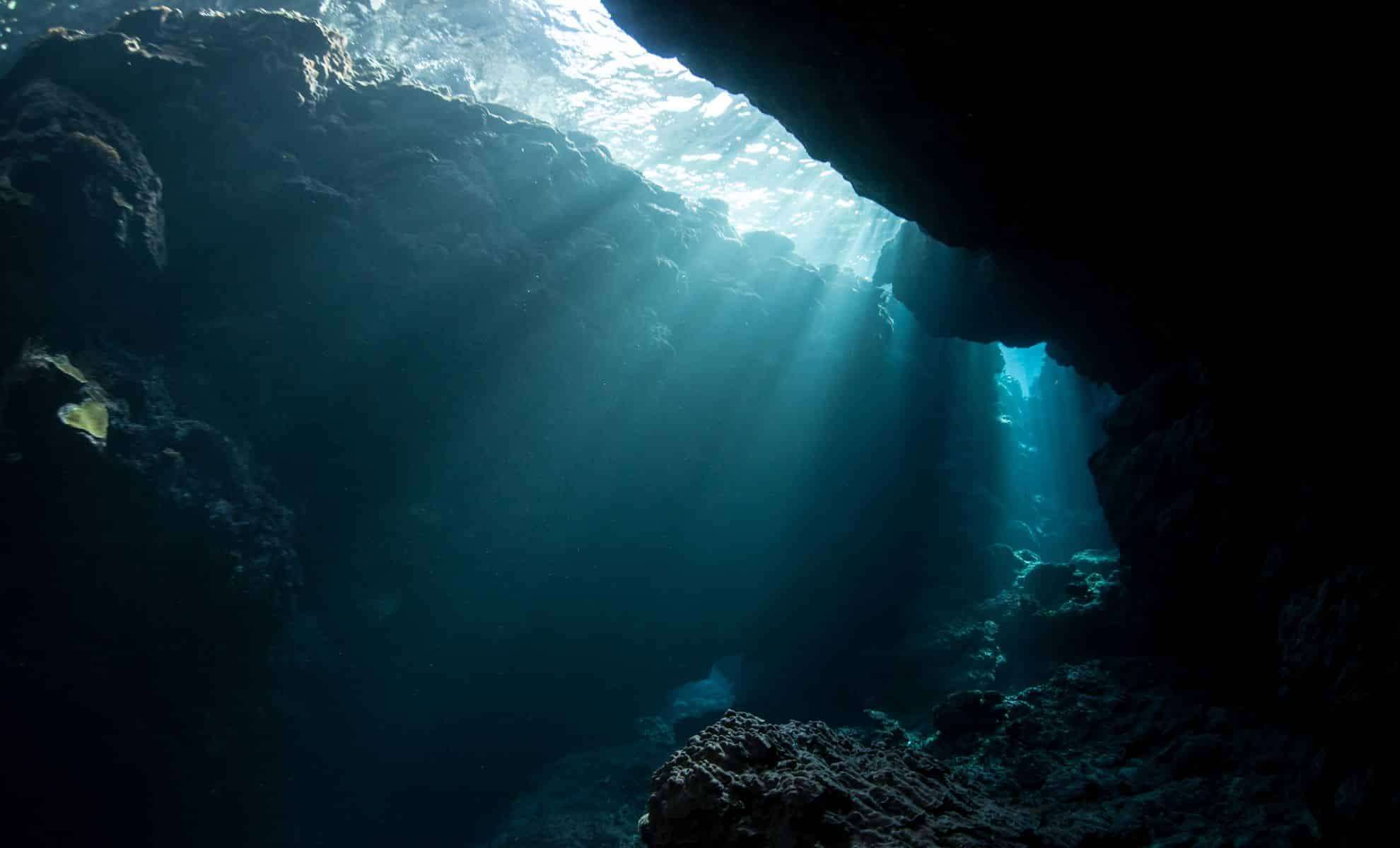
The Atacama Trench, situated off the coasts of Peru and Chile, has recently yielded a remarkable revelation. Known as one of the ocean’s deepest regions, this area has fascinated scientists for years, but a fresh study has now uncovered a previously unknown predatory species flourishing nearly 8,000 meters beneath the ocean surface in the Hadal zone.
Unveiling a New Animal from the Ocean’s Greatest Depths
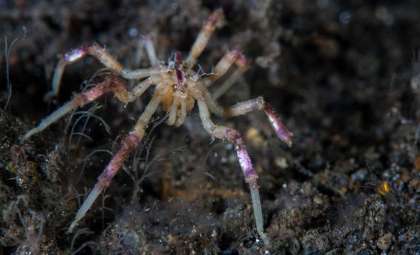
Researchers from the Woods Hole Oceanographic Institution (WHOI) and Chile’s Universidad de Concepción have identified a new predator: a tiny crustacean measuring just four centimeters. Named Dulcibella camanchaca, this species was discovered during a deep-sea mission aboard the Abate Molina research vessel. Nestled within the Peru-Chile Trench system, the Atacama Trench descends to about 8,000 meters—comparable in depth to the height of Mount Everest. Against the odds, Dulcibella camanchaca survives in this extreme, alien environment.
Genomic sequencing has revealed that this crustacean is not only a new species but also represents a novel genus, Dulcibella. This discovery supports the growing evidence that the ocean’s deepest trenches harbor many undiscovered life forms. Johanna Weston, the study’s lead researcher and Hadal zone specialist, stressed that the Atacama Trench serves as “an endemic hotspot,” likely hosting many unique and yet-unidentified species.

Exploring the Atacama Trench: A Sanctuary for Abyssal Creatures
Extending more than 3,700 miles along the Pacific coast, the Atacama Trench ranks among Earth’s deepest oceanic regions. Off northern Chile, this trench reaches depths approaching 25,246 feet, making it an optimal site for investigating deep-sea life. In 2023, the Instituto Milenio de Oceanografía (IMO) carried out research in the area aboard the Abate Molina vessel. Samples collected were preserved and analyzed genetically.
The identification of Dulcibella camanchaca is one of several notable outcomes from ongoing explorations, which continue to reveal the complex web of organisms thriving under extreme conditions. Scientists remain fascinated by how life endures at pressures up to 800 times greater than those experienced on land.
Survival Strategies in the Hadal Realm
What sets Dulcibella camanchaca apart is its remarkable adaptation to the harsh Hadal zone environment. Devoid of sunlight at such depths, organisms must endure perpetual darkness. This crustacean’s pale, almost translucent exoskeleton gives it an eerie alien-like appearance, amplified by its role as a fierce predator.
Equipped with specialized limbs, it actively hunts and consumes smaller crustaceans, asserting dominance in its deep-sea ecosystem.
Though diminutive, this predator withstands the crushing oceanic pressures far beneath the surface, a feat impossible for most other organisms.
The Vast Unknown Below
Researchers hope this breakthrough marks merely the start of new biological discoveries. Vastly unexplored regions like the Atacama Trench remain filled with unknown species. The ability of Dulcibella camanchaca to thrive in such an extreme environment suggests many more life forms await detection. As Carolina González, co-lead author from IMO, noted, “Additional discoveries are anticipated as we continue our investigations in the Atacama Trench.”
These findings also offer valuable insights for astrobiology. NASA’s Europa Clipper mission, launched in October 2024, aims to study Jupiter’s icy moon Europa and its hidden ocean. The resilience of life in the Hadal zone hints at the possibility that similar extreme ecosystems might exist beneath Europa’s frozen crust.
- Categories:
- News





0 comments
Sign in to Comment