
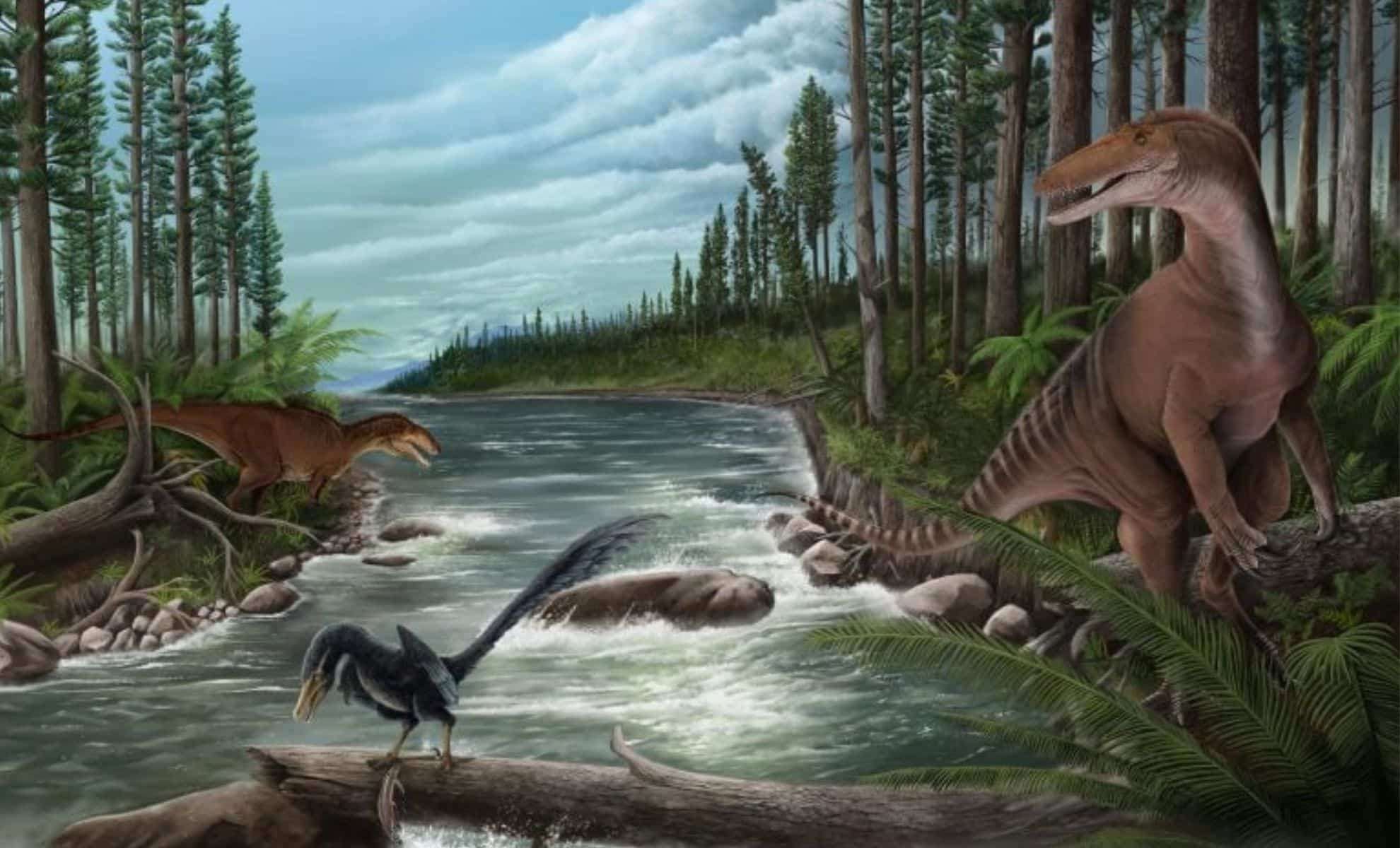
A groundbreaking fossil find in Australia has transformed our knowledge of predator dynamics during the Cretaceous period, unveiling an ancient ecosystem unlike any previously documented. Newly discovered remains of the earliest known megaraptorid, plus the inaugural confirmed carcharodontosaur fossils from Australia, challenge established ideas about the dominance of predators in prehistoric habitats. Unlike in South America, where carcharodontosaurs ruled as the primary apex hunters, evidence from Australia suggests that megaraptorids occupied the top spots instead. These revelations offer a fresh lens on dinosaur evolution and prompt reconsideration of wildlife interactions across ancient continents.
Revolutionizing Paleontology with a Key Find
Published on February 19, 2025, in the Journal of Vertebrate Paleontology, a recent study details the examination of five theropod fossils excavated along Victoria’s shorelines. These fossilized remains, dating between 121 and 108 million years ago, originate from the Strzelecki Group and Eumeralla Formation, two important fossil beds offering insight into Australia’s distant past.
For many years, paleontologists assumed that giant carcharodontosaurs—relatives of Giganotosaurus—held apex predator status throughout Gondwana, which included multiple southern continents such as South America, Africa, and Australia. However, the newly uncovered fossils challenge this belief specifically for Australia, where these theropods remained relatively small at 2 to 4 meters in length. Meanwhile, megaraptorids, characterized by their agility and fearsome elongated claws, grew as large as 7 meters, establishing themselves as the top predators of the region.

An Uncommon Predator Landscape in Ancient Australia
This discovery stands out as unique in the fossil record of the Cretaceous period. While South America’s carcharodontosaurs reached colossal sizes comparable to Tyrannosaurus rex, dominating as apex predators up to 13 meters long, Australia’s landscape reversed these roles.
“The presence of carcharodontosaurs in Australia is truly revolutionary,” commented lead investigator Jake Kotevski of Museums Victoria Research Institute and Monash University. “Observing how predator hierarchies in Victoria differed so markedly from South America, where carcharodontosaurs grew to enormous proportions, highlights the distinctiveness of Australia's Cretaceous fauna.”
Such results imply that theropod evolution in Australia followed a markedly distinct trajectory compared to the rest of Gondwana, likely driven by unique ecological factors and environmental pressures that shaped predator development on this isolated landmass.
Uncovering the Earliest Megaraptorids
The research didn’t merely alter the known history of the carcharodontosaur lineage; it also identified two specimens as the oldest megaraptorids ever recorded. This discovery significantly extends the timeline for when these remarkable predators first appeared.
Dr. Thomas Rich, senior curator at the Museums Victoria Research Institute, stressed the importance of the finding: “These fossils broaden Australia’s theropod record and provide compelling evidence of faunal exchange between Australia and South America via Antarctica during the Early Cretaceous. They also upend earlier assumptions about predator size hierarchies in Gondwanan ecosystems, emphasizing Victoria’s uniquely diverse Cretaceous fauna.”
Such evidence suggests that dinosaurs migrated between continents through Antarctica, underscoring that prehistoric Australia was not entirely isolated despite its unusual predatory structures.
Decoding Fossil Evidence
The fossils examined had been safeguarded within museum archives for countless years until recent paleontological advances allowed researchers to properly identify them.
“Museum collections remain vital to expanding our knowledge of prehistoric species,” said Tim Ziegler, vertebrate paleontology collection manager at Museums Victoria Research Institute. “Specimens preserved for decades in the State Collection, previously unidentified, are now revealing new perspectives on dinosaur ecosystem evolution.”
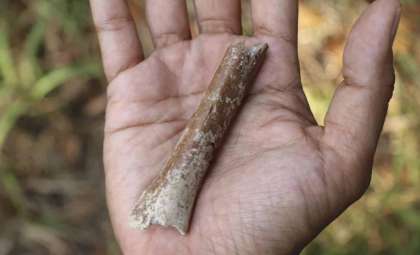
Adding to the significance, three of these fossils were initially discovered between 2022 and 2023 by a fossil enthusiast volunteer, demonstrating the ongoing vital role citizen scientists play in groundbreaking paleontological research.
- Categories:
- News




0 comments
Sign in to Comment