
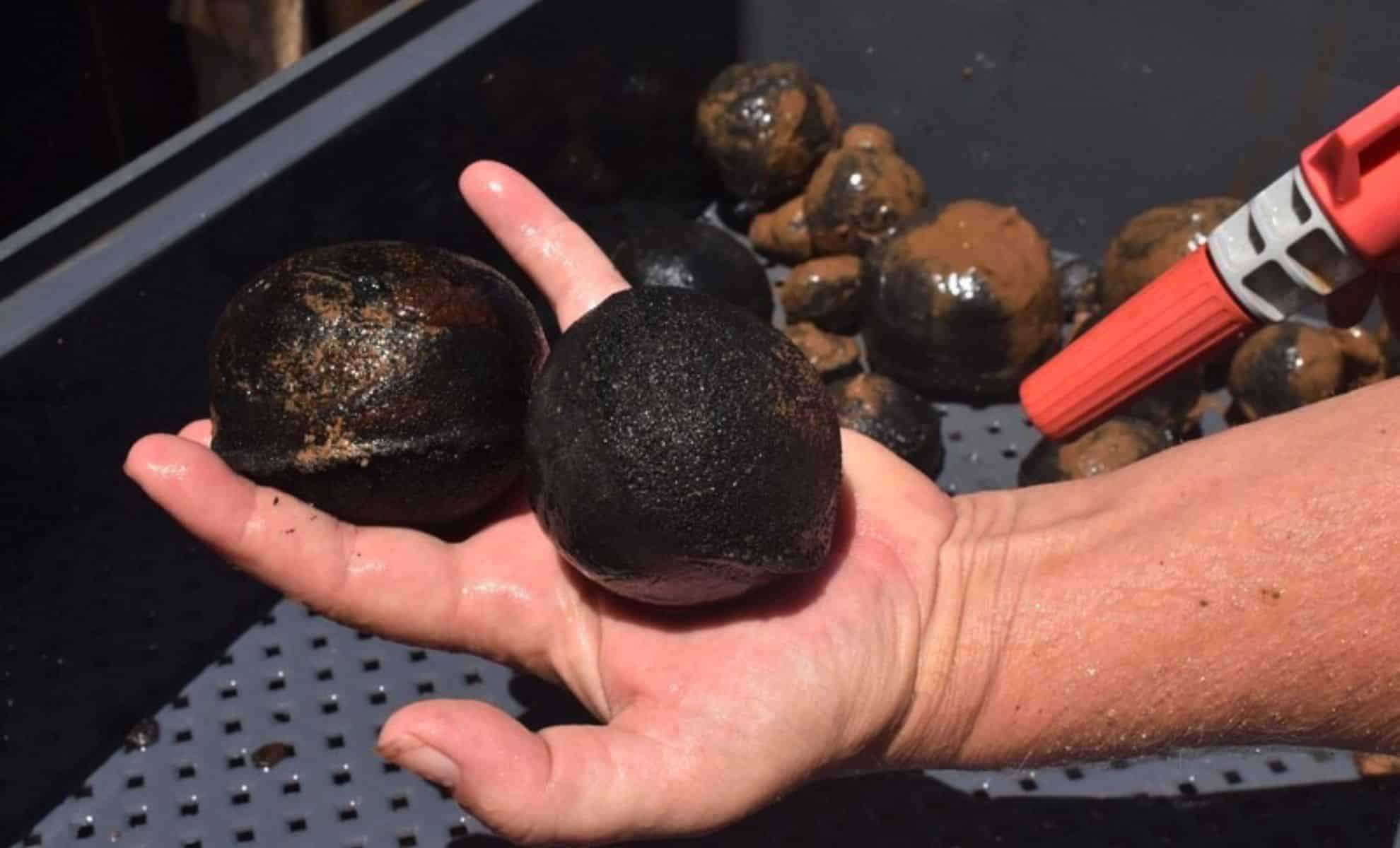
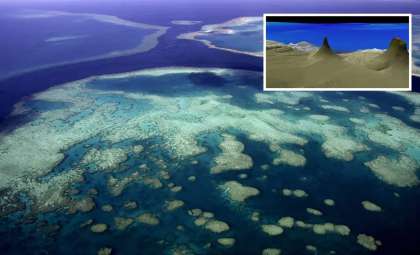
Researchers from the University of Tokyo and the Nippon Foundation have unveiled a colossal 230-million-ton trove of critical metals such as cobalt and nickel on the seabed near Minamitori Island, a remote Japanese territory in the Pacific. Announced on June 21, this major find could bolster Japan’s role in the global technology supply chain and influence its industrial landscape.
As geopolitical tensions rise over the access to essential minerals, Japan’s new deep-sea mining initiative could provide a strategic edge by lessening its dependence on foreign sources and reinforcing local manufacturing.
An Oceanic Mineral Reservoir
Situated within Japan’s exclusive economic zone, the deposit spans about 10,000 square kilometers of ocean floor. Initial assessments estimate the reserves hold approximately 610,000 tons of cobalt and 740,000 tons of nickel, enough to meet the country’s needs for the next 75 and 11 years, respectively.

These metals are key to producing lithium-ion batteries that power devices from electric cars to smartphones and support renewable energy systems. In light of the push for sustainable energy, securing these resources remains a global focus.
Beyond cobalt and nickel, the deposits may contain other valuable materials like rare earth elements vital for manufacturing wind turbines, semiconductors, and high-tech defense products. This discovery intensifies the global competition for deep-sea mineral resources.
Japan’s Ambitious Plan for Extraction
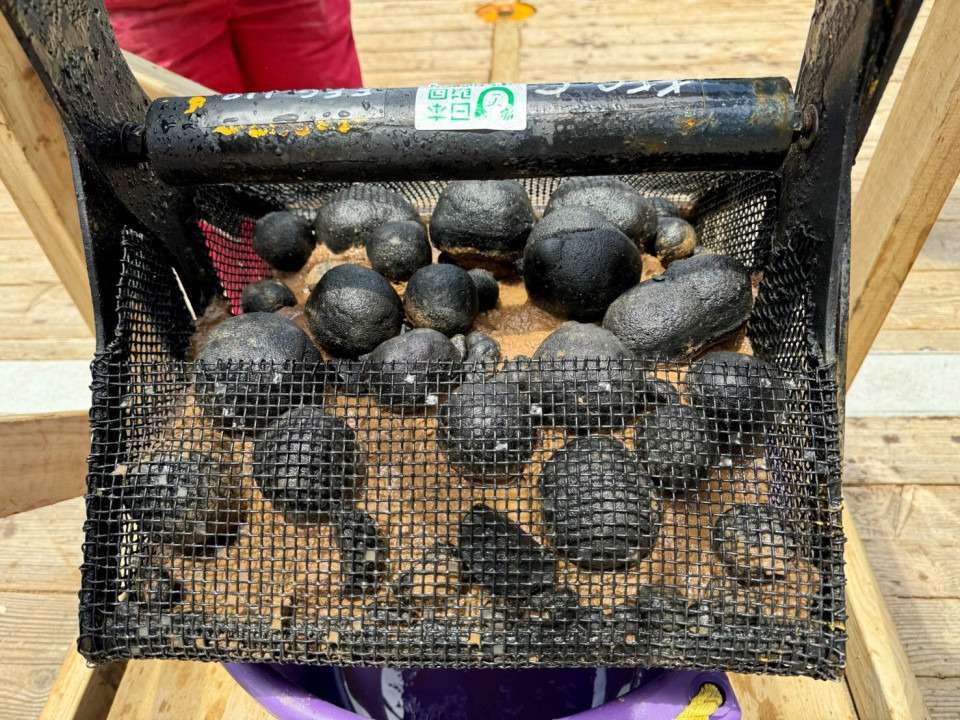
Japan intends to initiate a three-year pilot mining project starting in 2025, aiming to harvest thousands of tons of nodules daily, with the ultimate goal of reaching 10,000 tons per day—equivalent to about 3 million tons yearly.
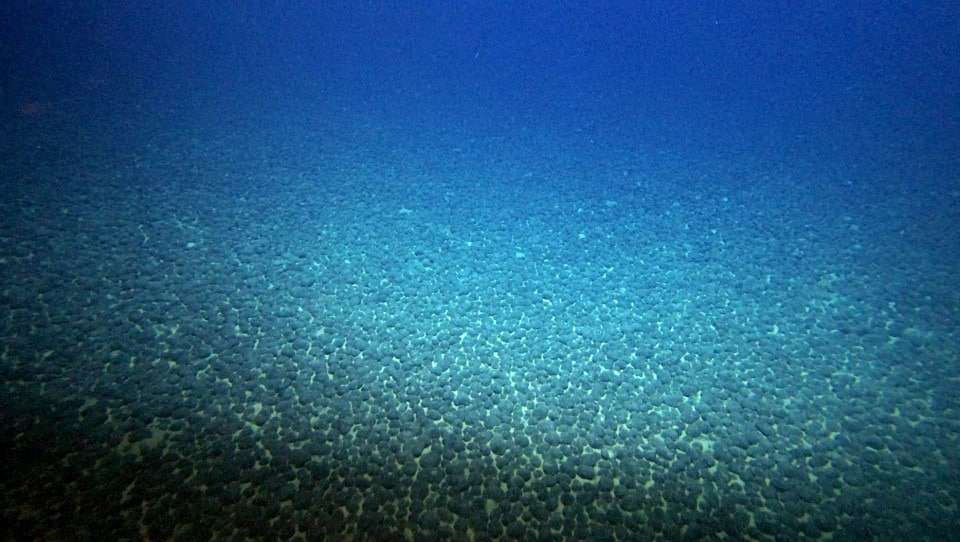
These polymetallic nodules are rock-like formations scattered across the seabed, rich in valuable metals. Unlike conventional mining on land, these nodules can be collected directly from the ocean floor, potentially streamlining extraction processes.
Supported by governmental bodies, private sector partners, and academic experts, the initiative is coordinated by the Nippon Foundation. The venture is projected to cost tens of millions, positioning Japan as a leader in the emerging deep-sea mining industry.
Weighing Environmental Impacts
The project has sparked concerns about potential disturbances to marine life. Extracting nodules involves moving ocean sediments, raising worries about consequences for deep-ocean ecosystems that remain poorly understood.
Harvesting will depend on remotely operated vehicles that could disrupt fragile habitats, generate sediment clouds, and endanger organisms adapted to stable environments. Research indicates that ecosystem recovery after such damage could span several decades or more.
Professor Katō Yasuhiro, who heads the research team, highlighted efforts to strike a balance between economic benefits and environmental protection, aiming for responsible resource extraction.
Impact on the Global Minerals Landscape
This newly uncovered resource could help Japan curtail dependence on imported minerals, especially from China, which currently holds a dominant role in supplying rare metals. As the demand for critical raw materials intensifies worldwide, Japan’s foray into oceanic mining marks a significant milestone in resource acquisition.
Alongside Japan, countries such as the United States, China, and Norway are exploring deep-sea mining opportunities. The International Seabed Authority is developing comprehensive regulations to oversee commercial mining activities, with Japan’s progress potentially shaping future global policies.
This article was published in Kyodonews.
- Categories:
- News




0 comments
Sign in to Comment