
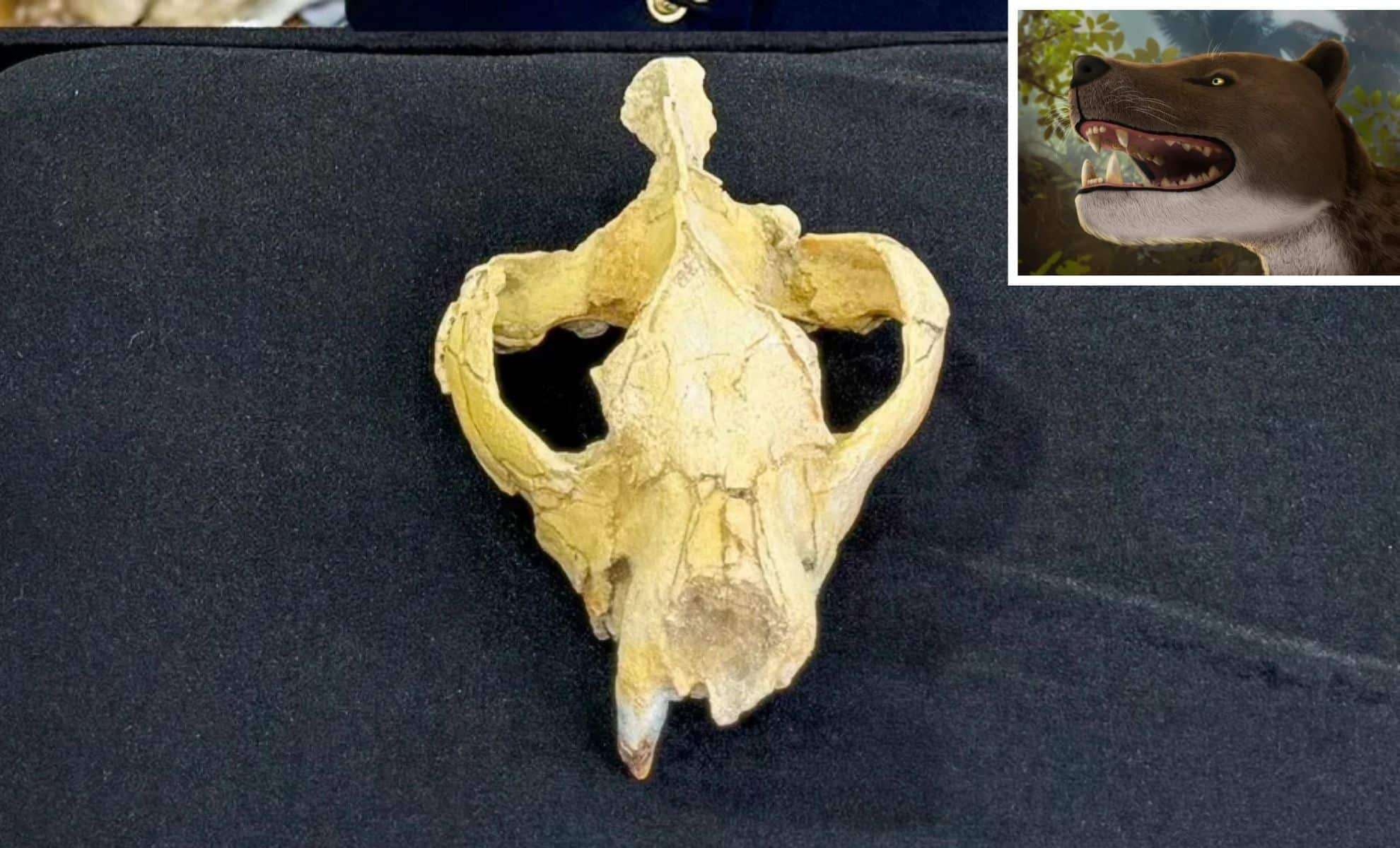
Deep beneath Egypt’s Fayum Depression—a region once teeming with lush forests—scientists have uncovered the skull of a formidable carnivore that roamed the landscape 30 million years ago. This animal, named Bastetodon syrtos, was roughly the size of a leopard and belonged to a group of highly specialized predators known as hypercarnivores, equipped with powerful jaws and sharp teeth for hunting.
Paleontologists are calling this find a monumental breakthrough because it unveils new details about ancient African ecosystems and the development of dominant prehistoric meat-eaters. This fossil is not just remarkable for its preservation; it challenges existing ideas about the continent’s ancient predators and their evolutionary history.
Research That Transforms Perspectives on Ancient African Fauna
The fossil was uncovered by a research group led by Shorouq Al-Ashqar from Mansoura University in collaboration with the American University in Egypt, and the findings were recently published in the Journal of Vertebrate Paleontology.

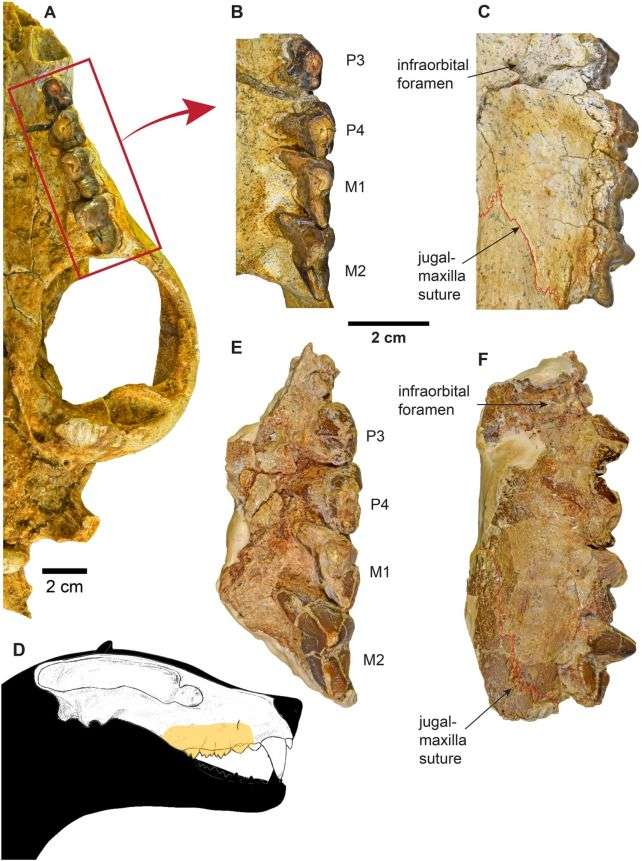
This report not only presents the nearly intact skull of Bastetodon syrtos but also revisits fossil specimens discovered more than a hundred years ago, shedding fresh light on the evolutionary pathways of Africa’s ancient carnivores.
“The identification of Bastetodon marks a pivotal moment in understanding the diversity, evolution, and geographic spread of hyaenodonts,” says Al-Ashqar. “Our ongoing investigations aim to decipher how these predators adapted and interacted within prehistoric ecosystems across continents through time.”
Unveiling the Hidden World beneath Egypt’s Desert Sands
Before the Fayum Depression turned into arid desert, it was an ecological hotspot hosting primates, early relatives of elephants, and giant hippos. Yet, it was also home to an apex predator unlike anything seen today.
“Our team spent days carefully extracting sediment dating back some 30 million years,” Al-Ashqar recalls about the meticulous excavation process that revealed the fossilized skull bones.
Remarkably, as the fieldwork was nearly concluded, the team encountered an extraordinary discovery.
“Just when we were wrapping up, one of the researchers noticed large teeth protruding from the earth. His excited call gathered us all, leading to the rare find of a near-complete skull of a top predator—a thrilling moment for any vertebrate paleontologist.”
The fossils revealed a predator that once dominated its ancient habitat in unprecedented detail.
Bastetodon: Powerhouse of Ancient Carnivores
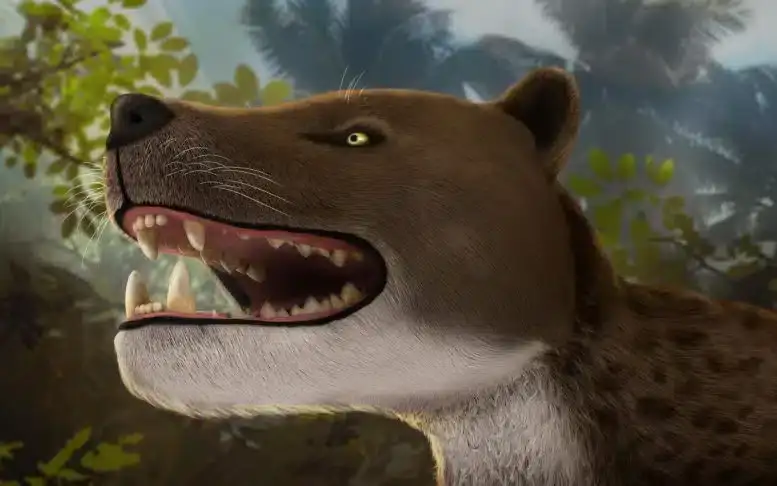
Classified as a member of the extinct hyaenodont family, Bastetodon syrtos was a hypercarnivore that once dominated prehistoric Africa. Unlike scavengers, this animal was an aggressive hunter akin to today’s large felines.
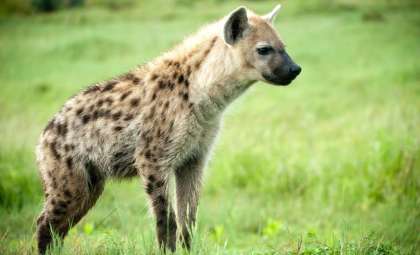
Fossil clues indicate it was a dedicated meat-eater, with a diet consisting of at least 70% animal flesh, similar to present-day hyenas, lions, and crocodiles.
Experts believe Bastetodon used its massive biting force and specialized dentition to crush bones, making it one of the apex predators of its time. Unlike predators relying on speed or stealth, this ancient carnivore relied on sheer strength, able to subdue prey far bigger than itself.
Fayum Depression: A Fossil Treasure Trove
The Fayum Depression has long been known as one of Africa’s most important paleontological sites.
“Fayum remains crucial for researchers,” points out Matt Borths, a paleontologist at Duke University in the United States. “Without discoveries here, our understanding of the roots of African ecosystems and the evolution of mammals like primates, elephants, and hyaenodonts would be severely limited.”
For over 100 years, scientists have excavated this area, revealing fascinating fossils that document a prehistoric era ruled by powerful carnivores. The arrival of Bastetodon syrtos into the fossil record marks a major advancement, helping explain how ancient predators spread throughout the globe.
- Categories:
- News






0 comments
Sign in to Comment