
Over a decade following the catastrophic meltdown in 2011, scientists have uncovered thriving microorganisms within the Fukushima Daiichi Nuclear Power Plant, once considered too radioactive to support any form of life. Surprisingly, some of these microbes lack the typical genetic characteristics that provide radiation resistance, yet persist in the contaminated water.
Fukushima gained worldwide attention due to the disaster that caused widespread radioactive contamination, saturating the plant’s internal systems with toxic water and making conditions seemingly hostile to life. Until recently, researchers believed only bacteria equipped with strong radiation tolerance could survive under such circumstances. New findings reveal a more complex reality where diverse microbial populations endure in radioactive water, highlighting significant gaps in our comprehension of life in extreme habitats.
Unexpected Bacterial Survivors in a Hostile Habitat
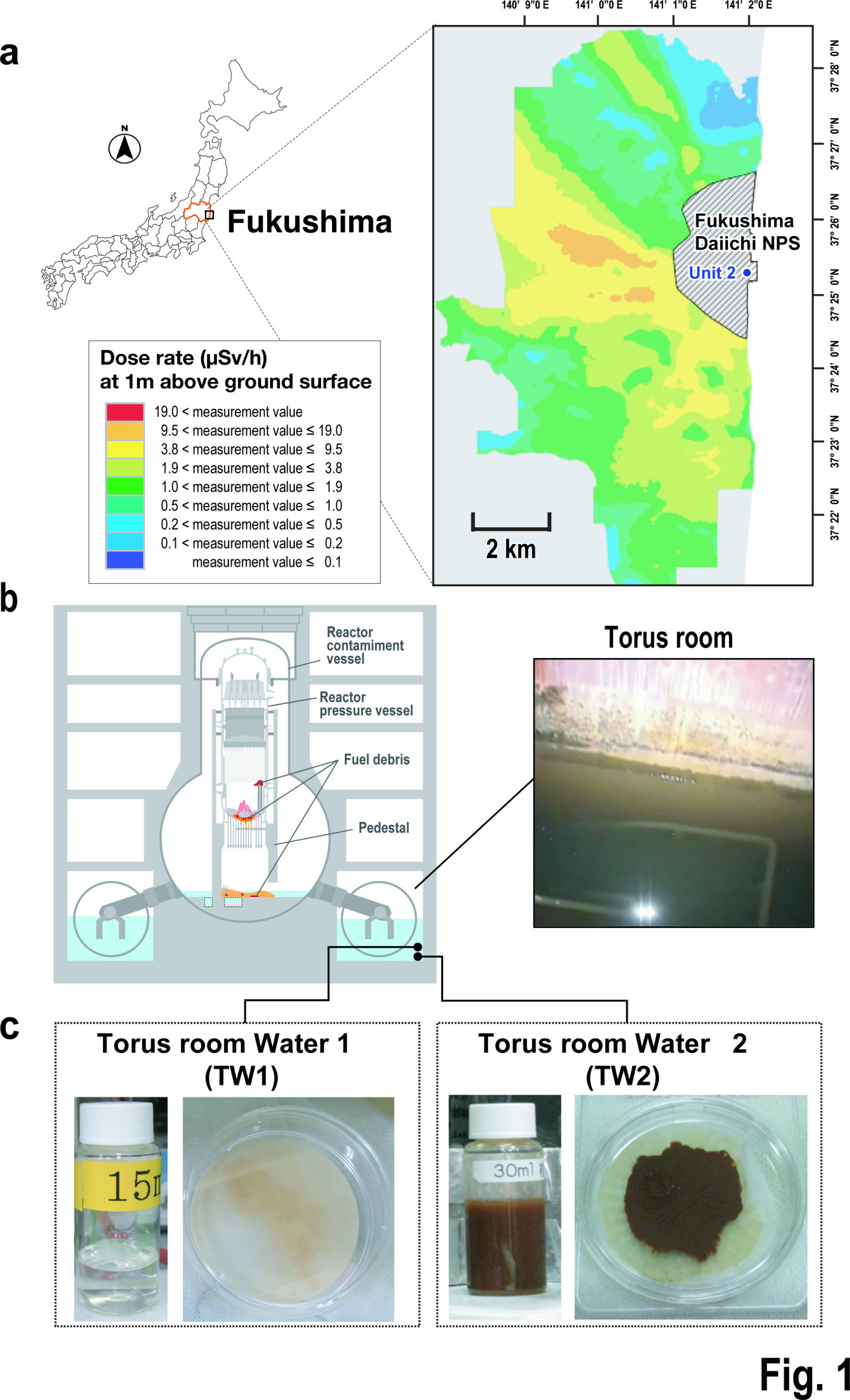
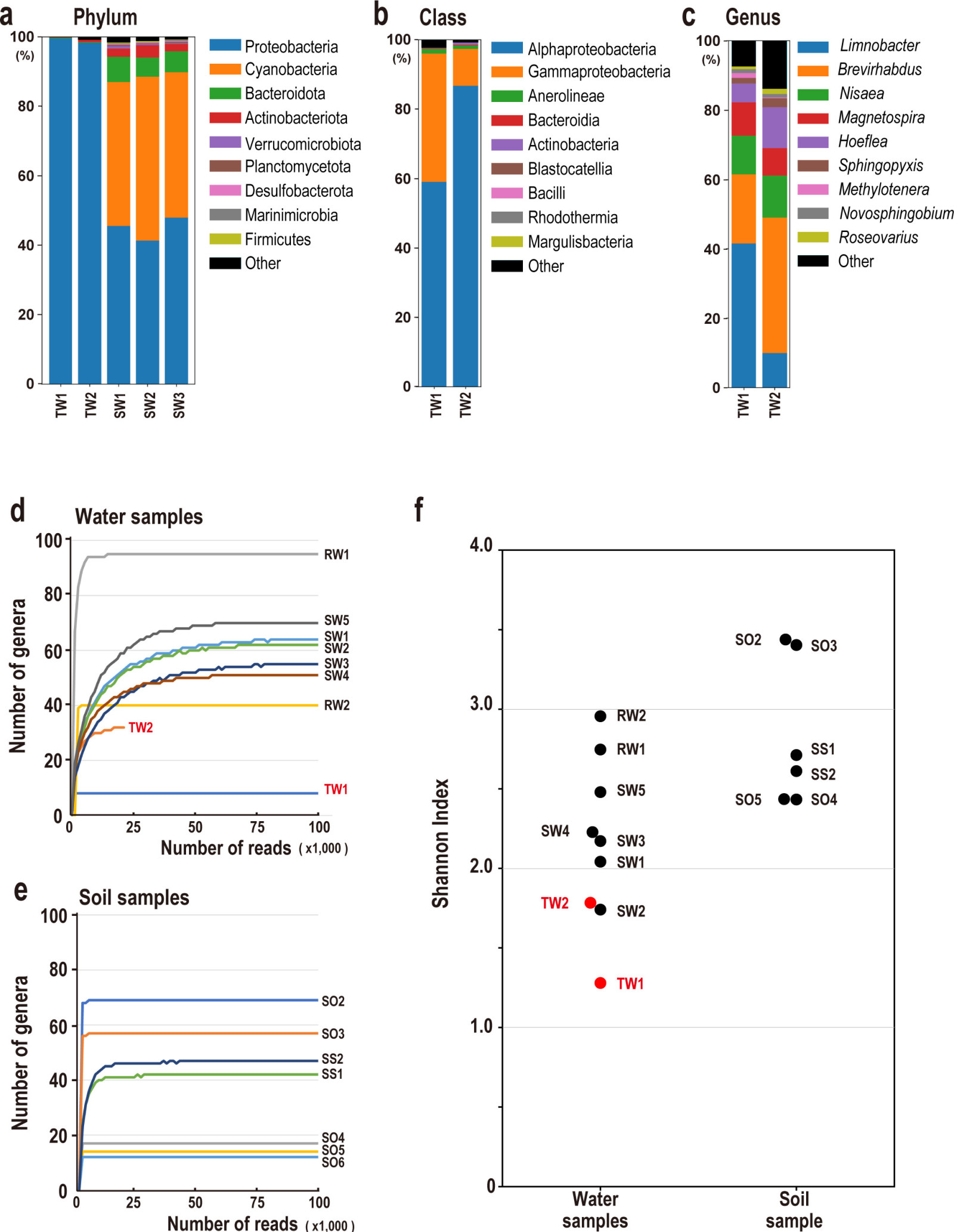
During an investigation led by biologists Tomoro Warashina and Akio Kanai from Keio University, water samples from the torus room beneath one of Fukushima’s reactors revealed unexpected bacterial species. These microbes, belonging to the Limnobacter and Brevirhabdus genera, defy previous assumptions as they do not possess recognized radiation-resistant features. Their persistence in such a radioactive environment was detailed in a study published in Applied and Environmental Microbiology.

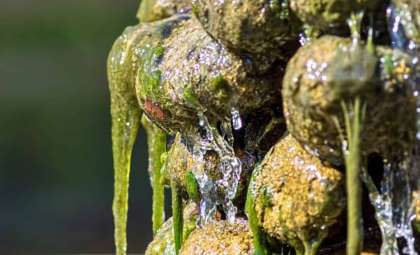
The team proposed that these bacteria survive not through innate radiation resistance but by forming protective biofilms on metal surfaces, which could serve as a shield against the radiation. If confirmed, this adaptation indicates a surprising biological strategy for surviving under conditions once believed uninhabitable.
Microbial Threats to Reactor Infrastructure
Although the presence of microbial life in this extreme environment is remarkable, it poses challenges: some of these bacteria can accelerate metal corrosion, complicating the plant’s decommissioning efforts. The scientists noted that the microbes actively oxidize manganese and sulfur, processes that contribute to the deterioration of metal structures.
This poses a significant issue because much of the plant’s framework relies on metal components. Accelerated corrosion could compromise structural integrity during cleanup operations. Accounting for these microbial effects is critical to planning long-term remediation strategies amidst ongoing contamination concerns.
“In contrast, [most] of the bacterial genera in the torus room water were associated with metal corrosion, indicating that the impact of bacteria on metal corrosion must be considered in long-term decommissioning work.”
The Tsunami’s Role in Introducing These Microbes?
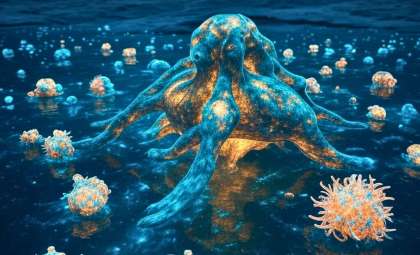
An intriguing aspect of this discovery is the possibility that many of these bacteria are not native to the confined reactor spaces. The researchers’ data suggest a majority of the microorganisms found in the Fukushima facility are typically marine species. They hypothesize that the massive 2011 tsunami waves, which inundated the area and introduced ocean water into the plant, may have transported these bacteria inside the reactors. This raises the question: could these oceanic microbes have endured the disaster and adapted to their radioactive new home?
This hypothesis provides a fresh perspective on microbial adaptability, proposing that bacteria accustomed to the ocean’s saline and sometimes harsh conditions might also survive—and even thrive—in environments contaminated by radiation. This challenges prior views on the limits of life under extreme environmental stress.
- Categories:
- Science


0 comments
Sign in to Comment