
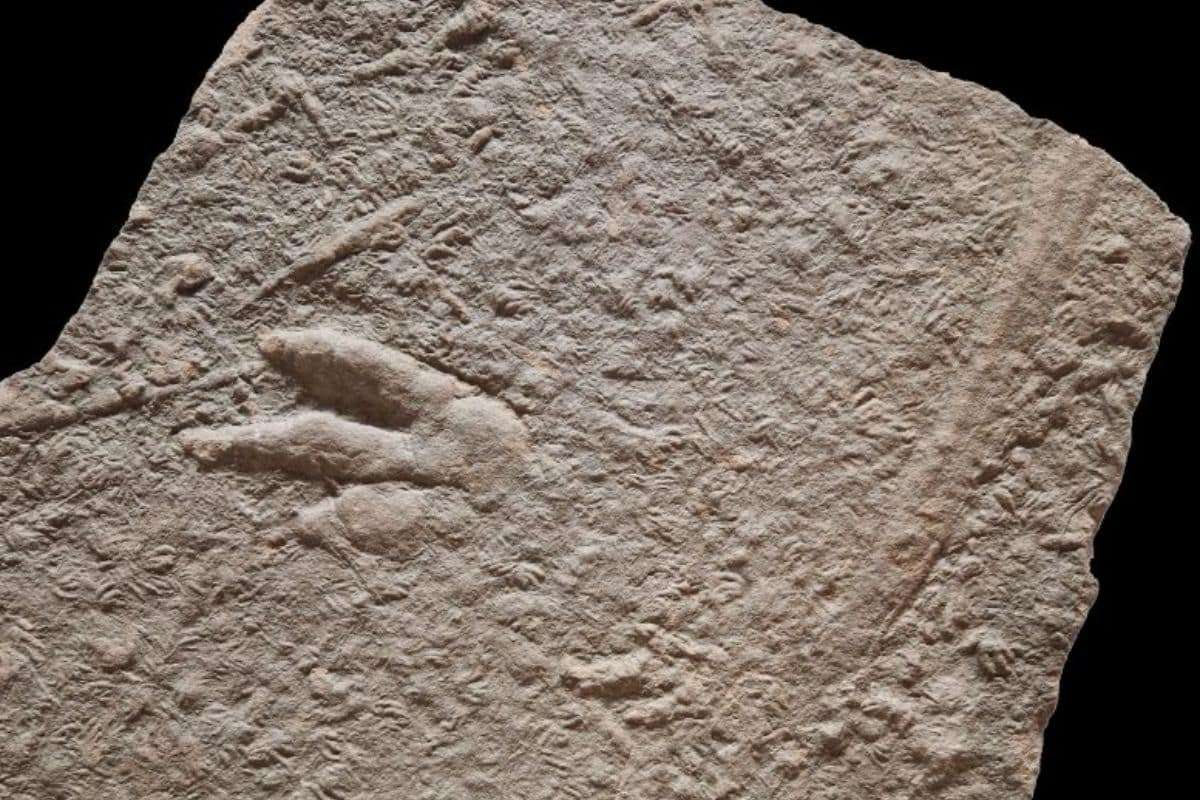
A comprehensive new analysis of 252-million-year-old fossils discovered in southwest Germany is shedding fresh light on how life recovered after the Permian-Triassic extinction, the most catastrophic extinction event in Earth’s timeline.
A Detailed Glimpse Into Triassic Faunas
This study, featured in Earth-Science Reviews, compiles fossilized bones and footprint evidence from the Central European Basin, with special emphasis on the Baden-Württemberg area. It represents the most thorough synthesis so far of Terrestrial Triassic tetrapod faunas across this region, blending insights from paleontology, stratigraphy, and ecology.
Under the guidance of Dr. Eudald Mujal and Prof. Rainer Schoch at the State Museum of Natural History in Stuttgart, the research highlights the Triassic period as a key moment in the diversification of vertebrates.

“The Triassic is an important window into the past for understanding evolutionary patterns, adaptations, and the emergence of ecological niches” said Dr. Mujal. “Terrestrial tetrapod communities are particularly fascinating. The rise of the dinosaurs began in the Triassic, there were already predecessors of modern mammals, and predatory crocodile relatives encountered giant amphibians”.
Key Predators and Evolutionary Milestones
The fossils include Batrachotomus kupferzellensis, a swift predator related to present-day crocodilians. This pseudosuchian, reaching lengths of six meters, featured upright limbs and serrated teeth designed for preying on massive amphibians like Mastodonsaurus in swampy, horsetail-rich habitats around 240 million years ago.
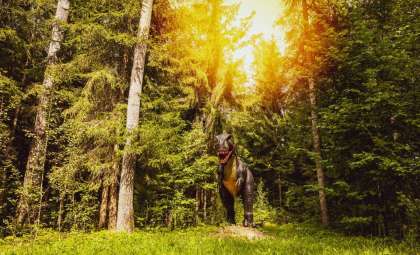
The analysis also revisits the famous Plateosaurus, one of the earliest large sauropodomorph dinosaurs that lived in what is now Germany roughly 210 million years ago during a period characterized by warm and dry conditions. Fossil sites in Stuttgart-Degerloch and Trossingen have produced well-preserved specimens, highlighting foundational stages of sauropodomorph evolution.
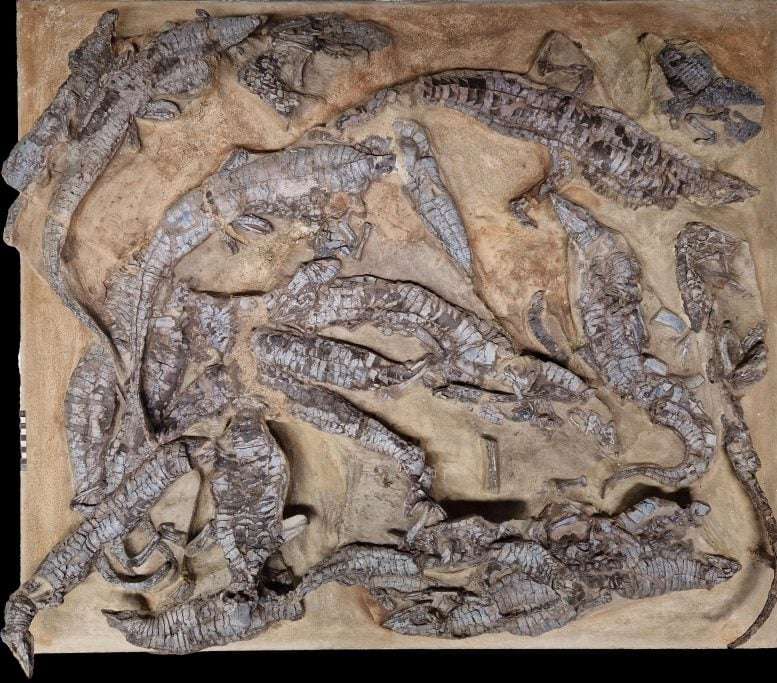
Additionally, the study reports a fossil grouping of 22 aetosaurs from Stuttgart-Kaltental. These armored relatives of crocodiles were omnivorous and widespread during the Late Triassic.
Piecing Together Ancient Ecosystems
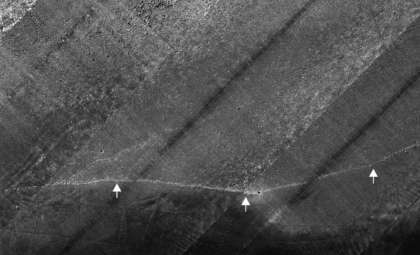
The team extended their research beyond bones by examining fossilized trackways and footprints that reveal the movement and behavior of these prehistoric animals. By integrating fossil data with paleoenvironmental evidence, they reconstructed how Triassic tetrapod communities adapted and evolved under changing climatic and ecological pressures.
“Linking the fossils to their ancient environments allowed us to track how these tetrapods adjusted to climate fluctuations,” explained Mujal.
“Our findings also offer valuable lessons for today’s ecosystems. Studying an entire geologic period like the Triassic equips us to better understand the long-term impacts of climate change and biodiversity shifts currently unfolding,” he added.
From Museum Archives to Worldwide Recognition
Most specimens analyzed originate from the rich collections of the State Museum of Natural History, which remain a key resource for global Triassic research. This interdisciplinary investigation merged fresh discoveries with extensive historical datasets.
“Our group systematically studied all known fossils and stratigraphic layers from the Triassic in southern Germany and elsewhere in Europe, combining various scientific approaches,” said Prof. Schoch.
“Along with an exhaustive review of existing literature, this publication significantly enhances our grasp of Earth's history and the development of life on our planet.”
- Categories:
- Science





0 comments
Sign in to Comment