
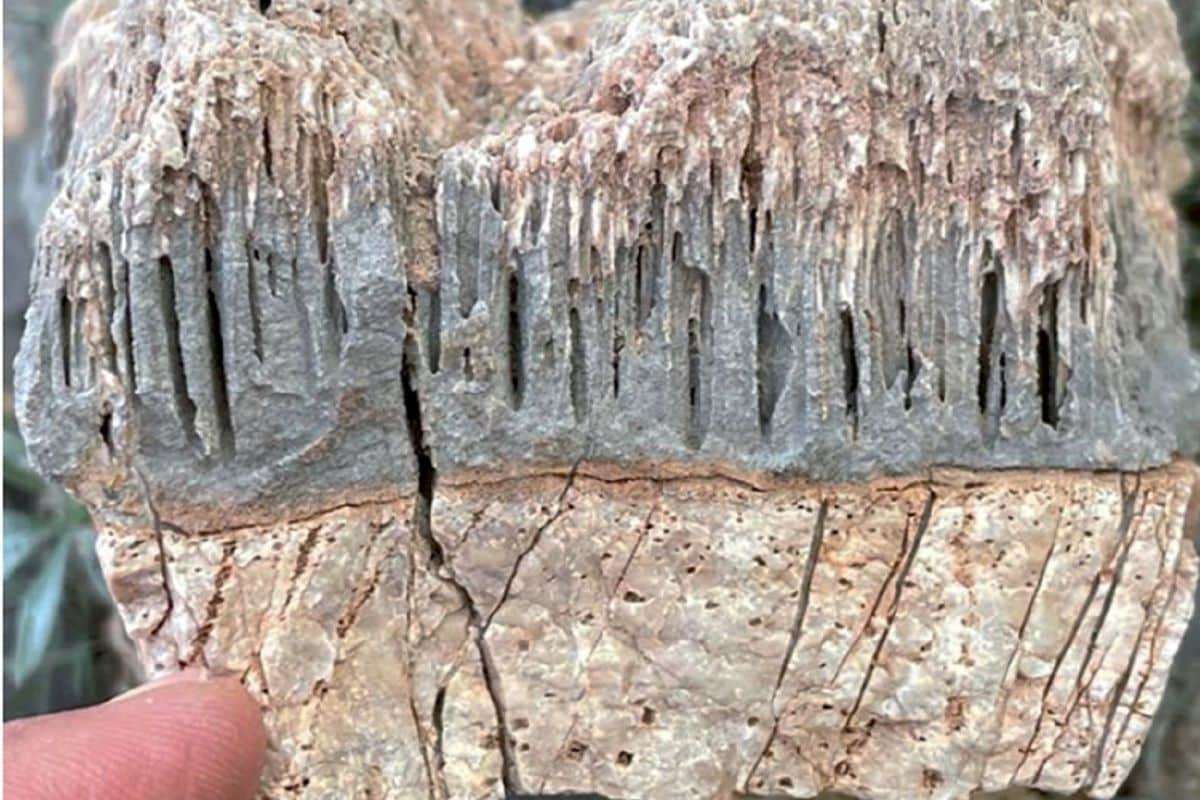
Researchers exploring desert regions in Namibia, Oman, and Saudi Arabia have uncovered enigmatic microscopic tunnels etched into ancient marble and limestone formations. These tiny passageways, carved millions of years ago, hint at a possibly unknown group of microbes whose identity remains a mystery.
Subterranean Tunnels Hidden in Timeworn Stone
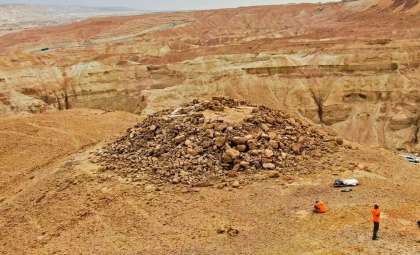
Cees Passchier, a geologist at Johannes Gutenberg University Mainz, discovered these remarkable burrows when natural erosion revealed them within desert rock layers.
Although no current life was detected inside the tunnels, traces of biological remnants were found, prompting questions about the original creators of these complex underground networks.
Excluding Non-Biological Causes
After thorough examination, the team dismissed weathering and inanimate processes as explanations for the formations. According to Passchier and collaborators, the tunnels likely originated from living organisms, since “A biotic origin of the observed structures supposes the presence of liquid water, without which biological growth would be impossible,” as highlighted in their Geomicrobiology Journal study.

“The investigated areas are currently arid, but experience occasional rain showers and regular dense coastal fog, while wet periods occurred in the past.”
Although these desert regions are dry today, historical wet phases involving intermittent rainfall and persistent coastal fog likely created habitable conditions for microbes millions of years ago.
Evaluating Possible Microbial Architects
The scientists examined potential microbial contributors such as cyanobacteria, fungi, and lichens, known for thriving in extreme environments.
Yet, cyanobacteria seemed improbable since they depend on sunlight for photosynthesis and the tunnels were too deep for their known activity.
Fungi were also ruled out because their characteristic complex mycelial structures were missing, and the uniform, parallel tunnel patterns don’t align with fungal growth behavior. This left other microbial possibilities to explore.
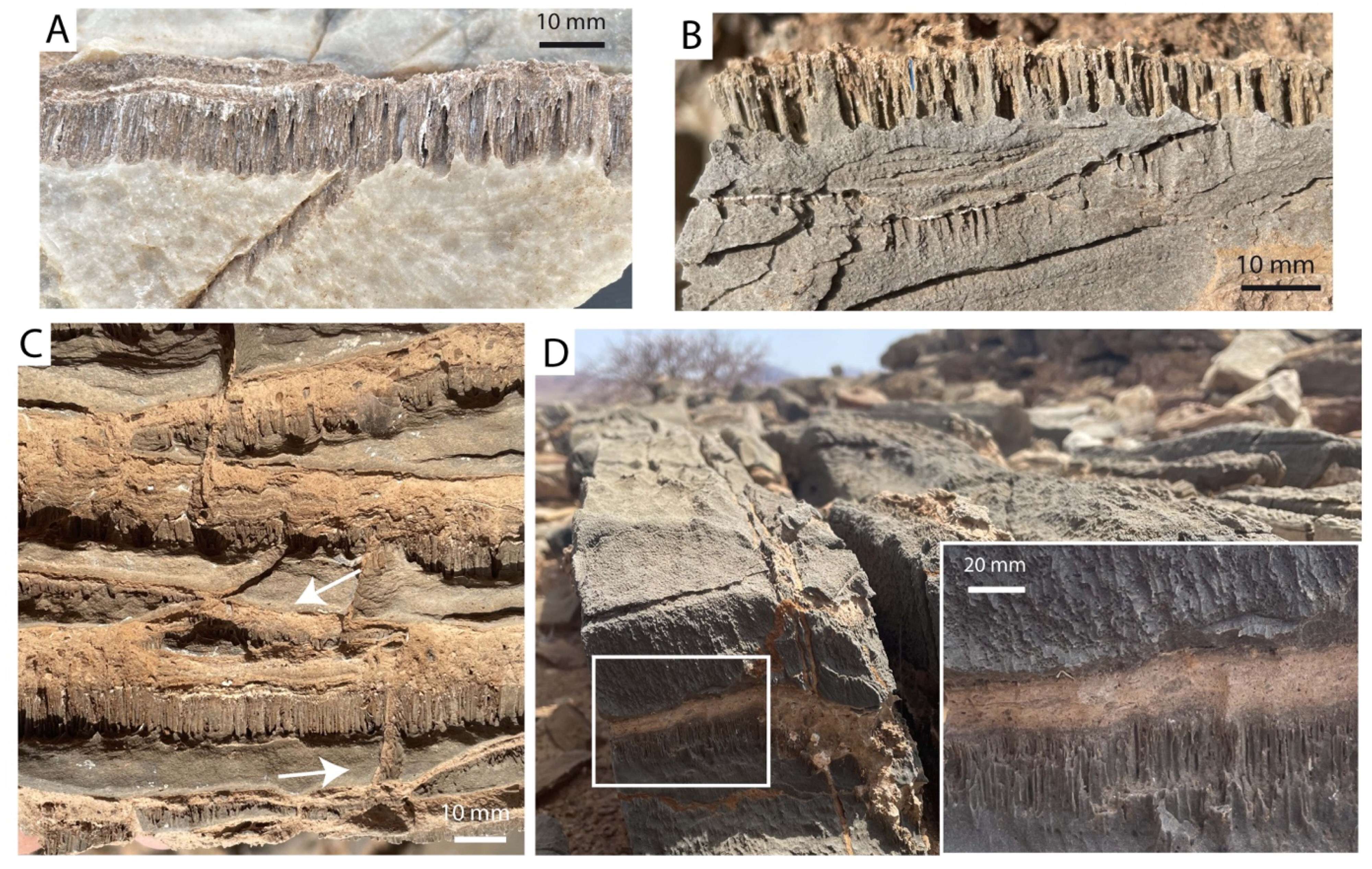
Image Credit: Geomicrobiology Journal
Signs Pointing to Microbial Communities
Further investigation revealed the tunnels’ width exceeded what a single organism could produce, indicating the work of collective microbial colonies.
Additionally, deposits of calcium carbonate residues inside the burrows suggest microbial activity typically found in limestone and marble. While no fossils were preserved, biological traces confirm that these structures are relics of ancient life. Passchier’s team asserted the tunnels must have a biological origin.
“As no known chemical or physical weathering mechanism can explain this phenomenon with the microstructural and geochemical observations presented here, and the micro-burrows form inside the host rock,” they stated, “we suggest that they are of biological origin.”
Implications for Life Beyond Earth
This discovery opens fascinating avenues for understanding life’s resilience. Despite the original microbes being extinct, their existence raises the possibility that similar life forms might still endure in remote Earth environments or beyond.
The endurance of these microbes in harsh ancient conditions also fuels speculation about extraterrestrial life’s potential to thrive on planets such as Mars or Venus.
- Categories:
- Science





0 comments
Sign in to Comment