

Noticing temporary impressions or sleep lines on your face after resting is a frequent occurrence, particularly for those who sleep on their sides or stomachs. Although these marks typically disappear quickly, dermatologists note they can offer clues about the condition of your skin and its reaction to pressure. Repeated exposure can hasten the aging process, emphasizing the importance of prevention and proper skincare.
Understanding the Significance of Pillow Impressions
Pillow impressions, also known as sleep wrinkles, develop from sustained pressure on your skin during sleep. Dr. Kristina Collins, a dermatologist, clarifies that these lines are created by the constant folding of skin against a surface, like a pillowcase, with side and face-down sleepers prone to this effect. Dr. Teresa Song adds that continuous pressure on parts of the face can result in more pronounced aging signs in those areas.
Even though these lines fade, they can reveal underlying concerns about skin elasticity. If pillow marks linger longer than usual, it may mean the skin’s natural bounce-back ability is diminishing, often due to a decline in collagen synthesis, a common consequence of aging.

Ongoing pressure can also impair blood flow, which might lead to collagen breakdown and alterations in skin texture. Consequently, these simple pillow creases seen each morning could promote the development of early wrinkles or sagging over time.
How Sleep Habits and Bedding Affect Your Skin
Your choice of sleeping position plays a major role in the appearance of pillow lines. Experts often recommend back-sleeping to prevent direct facial pressure. For those who struggle with this position, swapping to silk or satin pillowcases may help since these fabrics lower friction, enabling the skin to move smoothly and decrease crease formation.
Dermatology specialist Dr. Joshua Zeichner notes that “Silk pillowcases are naturally derived, reduce friction, and offer breathability, making them excellent for minimizing sleep-related skin lines.”
Additionally, the type of detergent used on bedding can influence skin sensitivity. Opting for fragrance- and dye-free products reduces the risk of irritation or allergic reactions, particularly for delicate skin types.
Effective Ways to Minimize Pillow Marks
Preventing pillow lines requires combining skincare habits with lifestyle tweaks. Altering your sleep position is a highly effective method, although it may be difficult for some. If changing how you sleep isn’t feasible, consider products that enhance collagen and boost elasticity. Ingredients such as retinol, peptides, and hyaluronic acid can fortify your skin, helping it resist creasing.
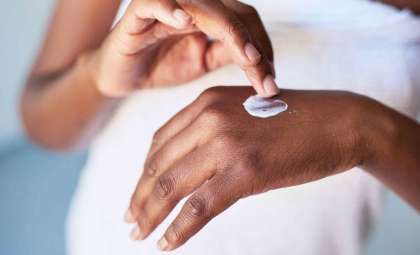
Maintaining adequate skin hydration is also vital. Properly moisturized skin recovers swiftly from pressure marks and retains a fuller, youthful look. Drinking sufficient water and using moisturizing products that seal in moisture are easy yet powerful strategies.
A Nighttime Routine for Healthier Skin
To counteract pillow creases and support skin vitality, dermatologists advise establishing a nighttime skincare regimen. Begin with a moisturizer to maintain hydration and add serums that contain active ingredients. For mature skin, retinol-based formulations can stimulate collagen formation and enhance elasticity over time.
“Integrating a comprehensive skincare routine that promotes collagen and elasticity benefits not only the reduction of pillow lines but overall skin wellness,” recommends Dr. Badreshia.
Why Preventing Pillow Marks Matters Long-Term
Addressing pillow lines goes beyond eliminating fleeting impressions—it safeguards your skin’s future. By managing factors like sleep posture, bedding fabrics, hydration, and skincare habits, your skin can become more resilient and age more gracefully.
While minor, pillow creases highlight how your skin responds to pressure and time, presenting a chance to cultivate better habits that contribute to a vibrant and youthful complexion.
- Categories:
- Health










0 comments
Sign in to Comment