
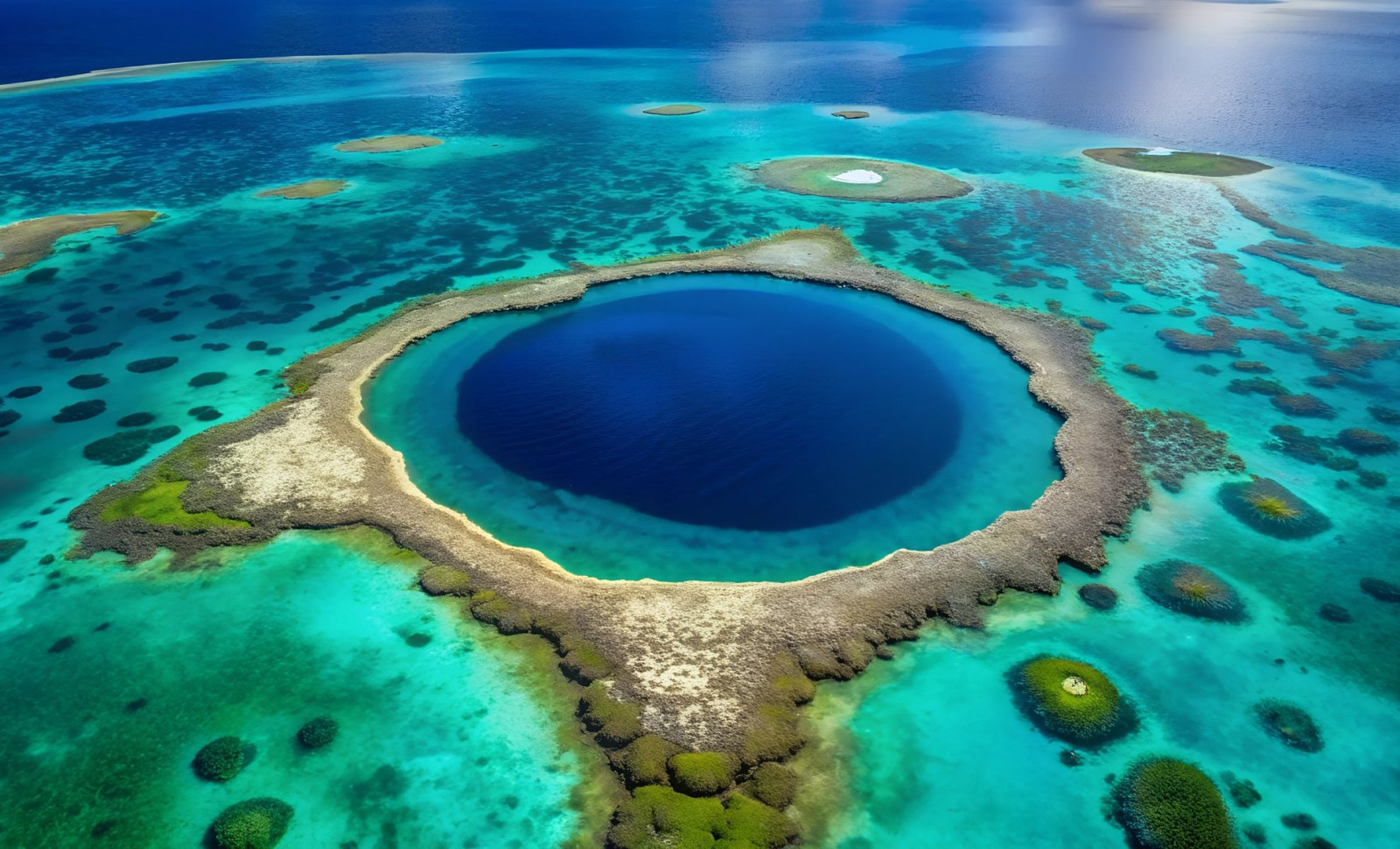
Although the ocean appears familiar, vast portions remain uncharted. Blue holes, immense submerged sinkholes found in regions such as Belize, Florida, Mexico, and China, extend hundreds of feet deep and continue to be some of the least understood oceanic features.
Known for their crystal-clear waters and profound depths, these natural wonders have long drawn the attention of divers. Recently, researchers have intensified efforts to uncover their secrets. From diverse ecosystems near the surface openings to low-oxygen zones inhabited by unique microorganisms, blue holes provide a window into environments rich with scientific intrigue.
Unveiling the Enigmatic Blue Hole Realms
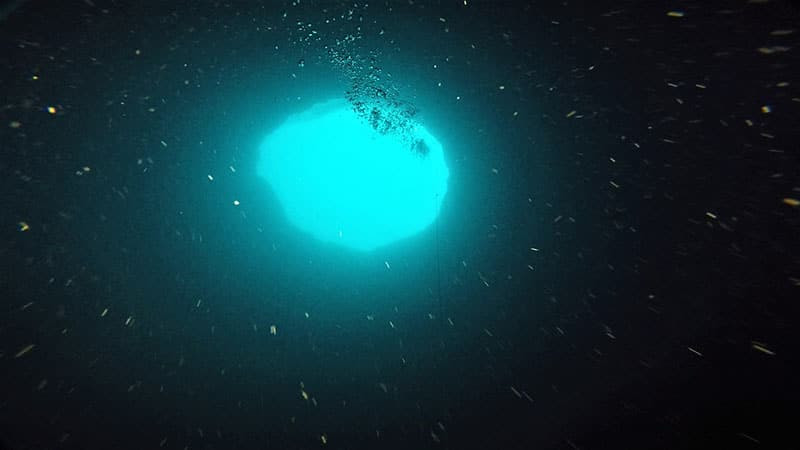
While it might seem straightforward to define a blue hole as an underwater sinkhole, these structures are much more complex. The National Oceanic and Atmospheric Administration (NOAA) emphasizes that knowledge about blue holes remains limited. Challenges include difficulty pinpointing their exact locations, some entrances lying many feet underwater, and size constraints hindering robotic exploration. The total count of blue holes worldwide is still unknown. NOAA highlights that:

“The first reports of blue holes did not come from scientists or researchers, but actually came from fishermen and recreational divers. Now, the two groups are working together to conduct scientific surveys and exploration of these mysterious holes.”
During a 2020 mission to Florida’s Green Banana Blue Hole, Emily Hall from Mote Marine Laboratory described the dive as passing through an apparently empty ocean section.
“You’re in the middle of the Gulf of Mexico and you don’t see anything all around,” she told The New York Times, recalling that from the surface there was virtually no sign of what was hidden below. “Then this hole opens up, and it’s booming with life.”
Why Do Blue Holes Harbor So Much Marine Diversity?
One of the most astonishing discoveries is the abundance of marine organisms found near blue hole inlets. While the surrounding ocean areas may seem sparse, these underwater cavities support vibrant ecosystems. Hall likens them to underwater "oases."
According to a BBC report, she noted that divers approaching blue holes off Florida first encounter seagrasses and soft corals, leading into zones rich with marine species.
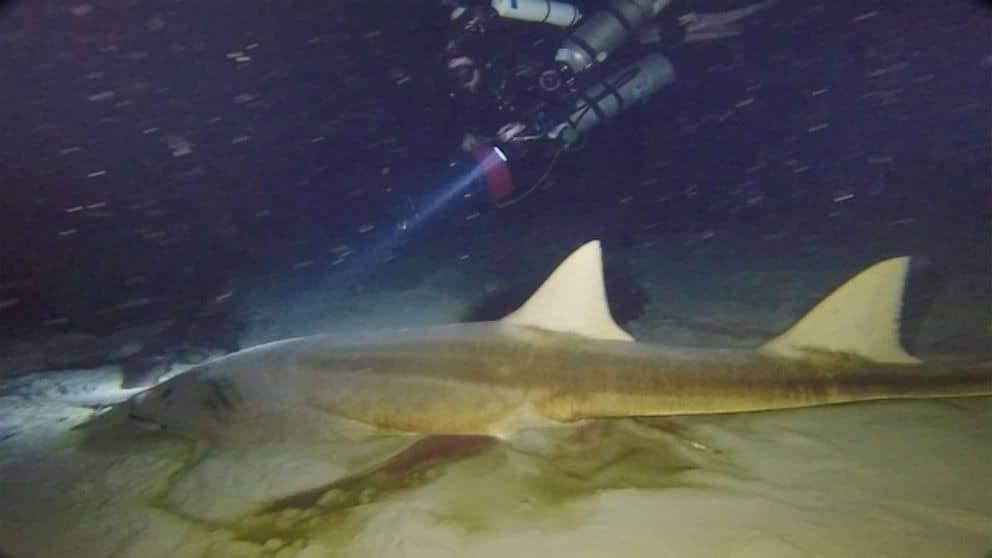
Explorers at the Green Banana site documented sightings of sea turtles, moon jellyfish, barracuda schools, dolphins, and vast numbers of fish. Underwater photographer Kristin Paterakis described non-stop encounters with a variety of aquatic life throughout the dive.
The Profound Depths Conceal Even More Secrets
Exploring blue holes is not just challenging but also hazardous. The Great Blue Hole of Belize plunges to approximately 125 meters (410 feet), well beyond typical recreational diving limits. One key danger is nitrogen narcosis, or the "martini effect," which can compromise diver cognition and perception as pressure intensifies.
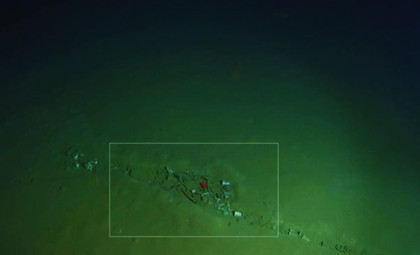
Some findings during expeditions have been somber. As reported by Newsweek, submarine pilot and explorer Erika Bergman discovered the remains of two divers near the bottom of Belize’s Great Blue Hole in 2018. Authorities later chose to leave the remains undisturbed.
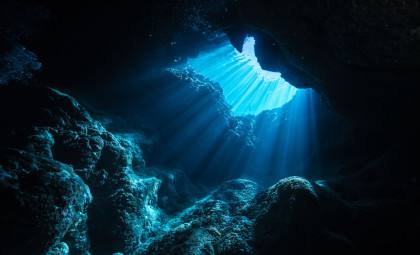
Oxygen diminishes considerably with depth, permitting survival only for specialized microorganisms. Nastassia Patin from the University of Miami and NOAA described identifying a microbial community at Amberjack Hole dominated by an enigmatic archaeal species comprising about 60% of organisms, underscoring the vast unknowns of these underwater realms.
“These expeditions open up a wide new area of research for microbial ecology, biogeochemistry, maybe even paleoclimate research,” explained Patin. “We have only scratched the surface of blue hole life and look forward to learning much more about these systems in the next few years!”
- Categories:
- Science

0 comments
Sign in to Comment