
Mars may have an inherent capacity to resist contamination by Earth-based life forms. Laboratory tests using artificial Martian soil reveal that certain components in the regolith can be lethal or inhibitory to microscopic creatures.
Scientists exploring the potential habitability of Martian surface materials recently discovered that specific soil analogs have a marked impact on tiny organisms. Their investigation centered on how microscopic animals respond when exposed to soil chemically similar to that found on Mars.
This research unveils a complex paradox relevant to future Mars missions. The properties that produce a harsh environment for life might also act as a protective barrier, preventing Earth microbes from colonizing the planet—an issue space agencies rigorously address in planetary protection protocols.

Simulated Martian Soil Exhibits Toxic Effects on Tardigrades
Led by microbiologist Corien Bakermans from Penn State University, the team studied how tardigrades—microscopic creatures renowned for their hardiness—fare when exposed to Martian soil simulants.
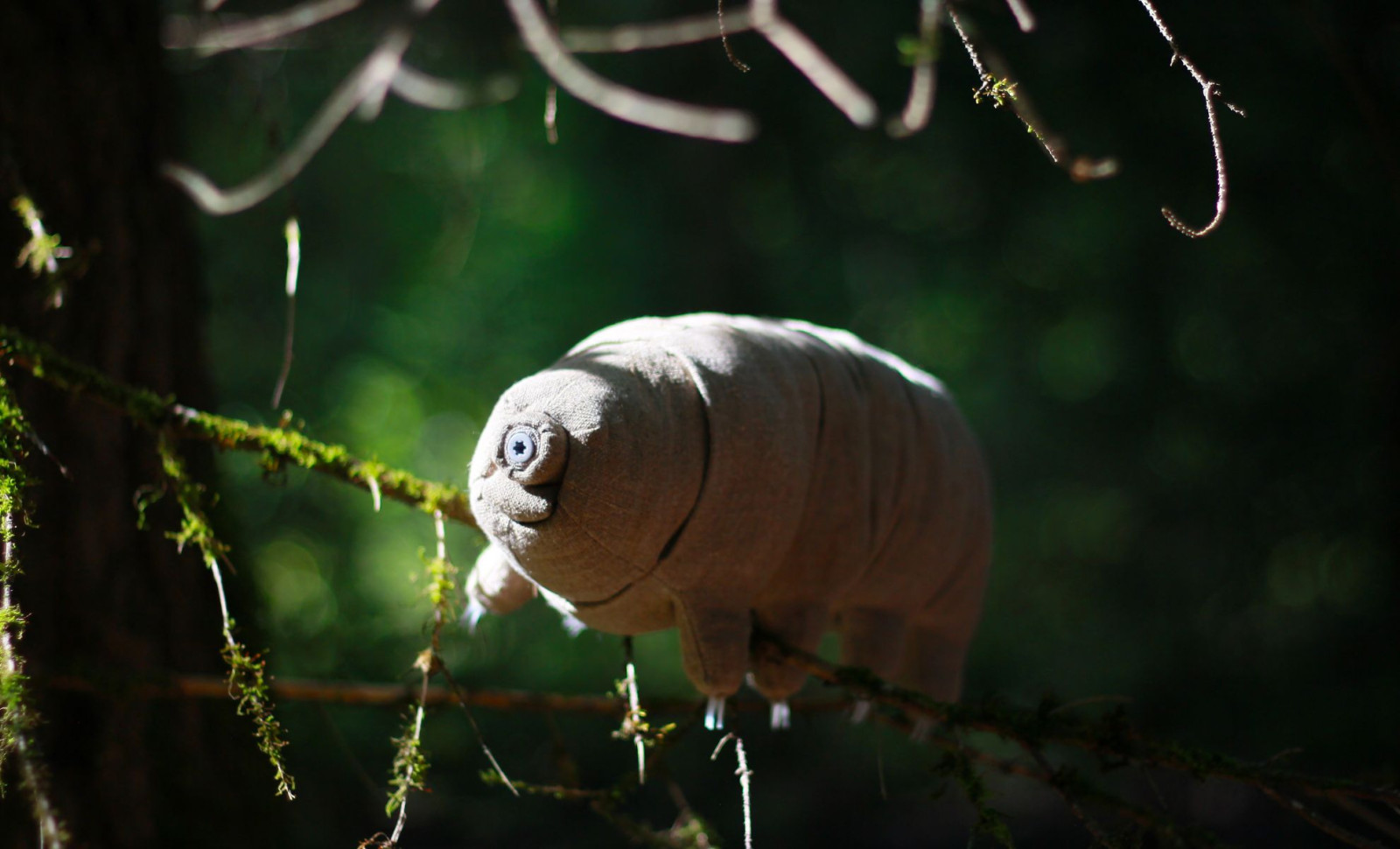
Tardigrades, often called “water bears,” are renowned for enduring extreme conditions including intense radiation, vacuum, and freezing temperatures. Their resilience makes them prime candidates for assessing potential life survival on Mars.
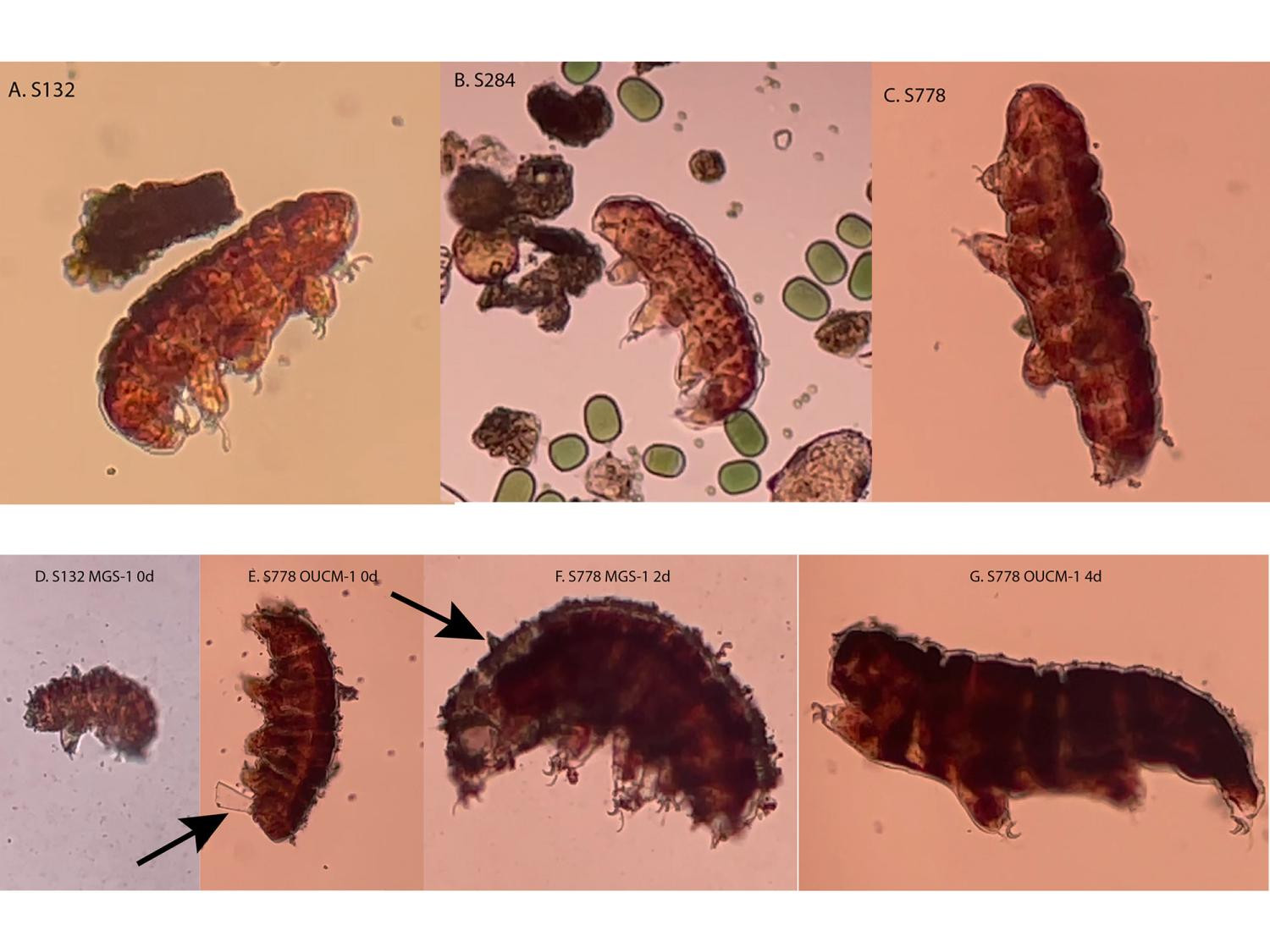
According to Penn State’s report, the researchers exposed these tiny animals to two types of lab-created regolith based on data gathered by NASA’s Curiosity rover within Gale Crater. One analog, labeled MGS-1, reflects a standard Martian soil composition, while OUCM-1 approximates soil from the Rocknest site explored by Curiosity.
Tardigrades placed in the MGS-1 simulant rapidly displayed signs of distress, entering a dormant state—a typical survival mechanism triggered by dehydration or extreme stress—within 48 hours.
Martian Regolith Contains Toxic Agents That Impair Life
Scientists observed a significant difference in the impact of the two soil types. Though both hindered the tardigrades, MGS-1 proved markedly more detrimental. Bakermans commented on the unexpected results,
“It was very damaging compared to OUCM-1, which was still inhibitory but much less so. We were a little surprised by how damaging MGS-1 was, [so] we theorized that there might be something specific in the simulant that could be washed away,” she said while describing the early results of the experiment.
To verify this hypothesis, they rinsed the MGS-1 simulant with water and repeated the exposure tests. After washing, the tardigrades experienced considerably fewer adverse effects, suggesting the presence of a soluble toxic compound—likely salts or similar water-dissolvable chemicals. The precise chemical responsible remains unidentified.
Implications for Mars Exploration and Planetary Protection
This discovery deepens concerns surrounding planetary protection, the global effort to avoid cross-contamination between celestial bodies.
Before launch, spacecraft are sterilized to reduce microbial hitchhikers when landing on planets like Mars. Earth microbes could jeopardize the search for indigenous Martian life. The Committee on Space Research (COSPAR) stipulates strict limits requiring less than a 0.01% chance that a mission carries terrestrial organisms to potentially habitable bodies.
The team's results suggest that Martian soil’s native toxicity might serve as an additional natural barrier against unintentional contamination. Furthermore, they raise an intriguing possibility: if harmful elements are removable by washing, Martian regolith could potentially be treated to support plant life, a critical step for human colonization.
- Categories:
- Science




0 comments
Sign in to Comment