
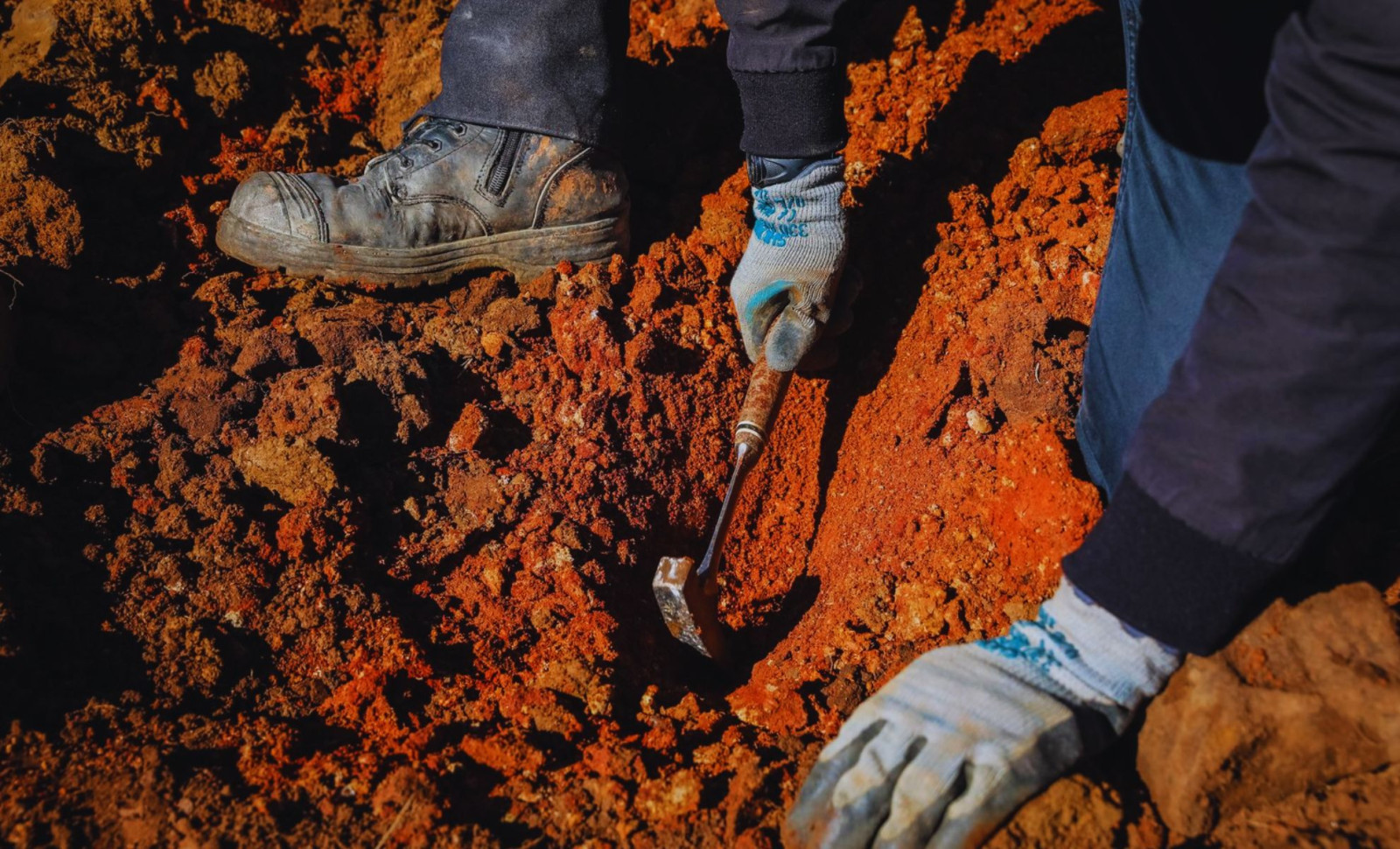
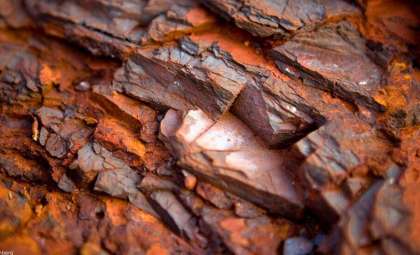
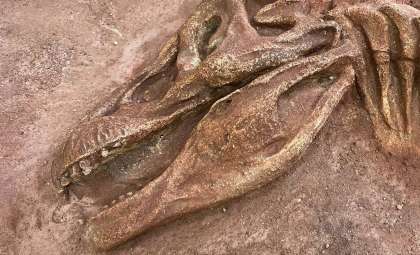
Researchers in Australia have uncovered a fossil location that challenges existing ideas about fossilization. McGraths Flat in New South Wales contains some of the most exquisitely preserved fossils ever discovered, embedded within vivid red rocks.
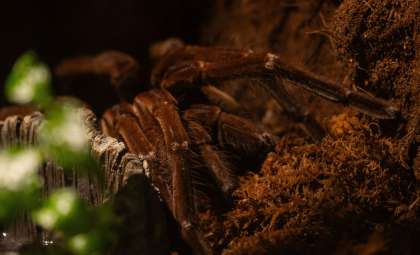
The team from the Australian Museum Research Institute has found fossils dating between 11 and 16 million years old, showcasing soft tissues from ancient fish, insects, and spiders. The exceptional preservation owes to the distinctive iron-rich composition of the rocks at McGraths Flat, defying previous assumptions about fossilization in such sediments.
A Surprising Fossil Treasure Trove
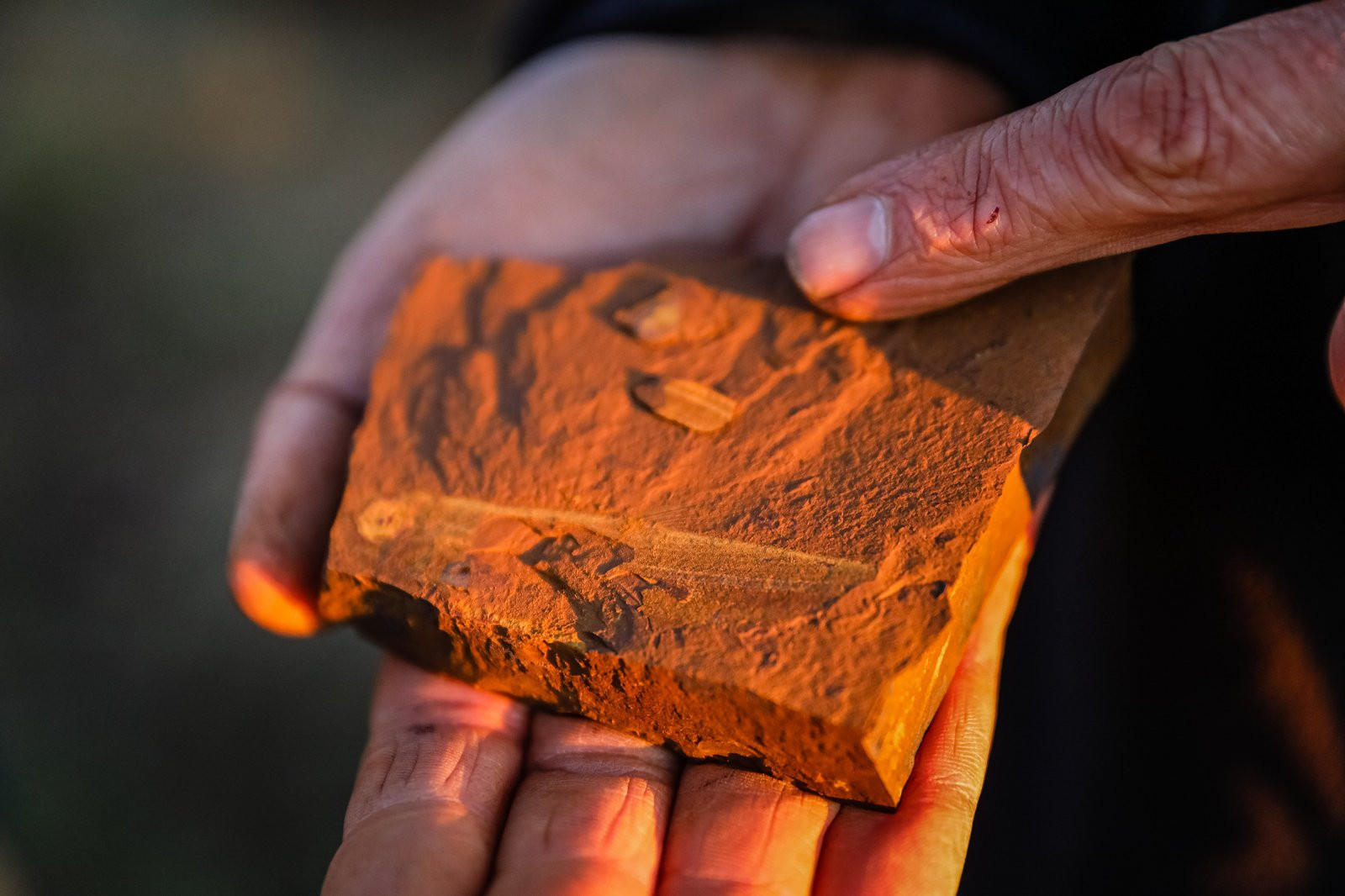
As described by The Conversation, renowned fossil sites like Germany’s Messel Pit and Canada’s Burgess Shale typically preserve soft tissues within fine-grained rocks such as shale or sandstone, which rapidly bury and protect delicate remains. However, McGraths Flat turns convention on its head by preserving fossils in iron-rich red rocks composed chiefly of goethite rather than typical shale.

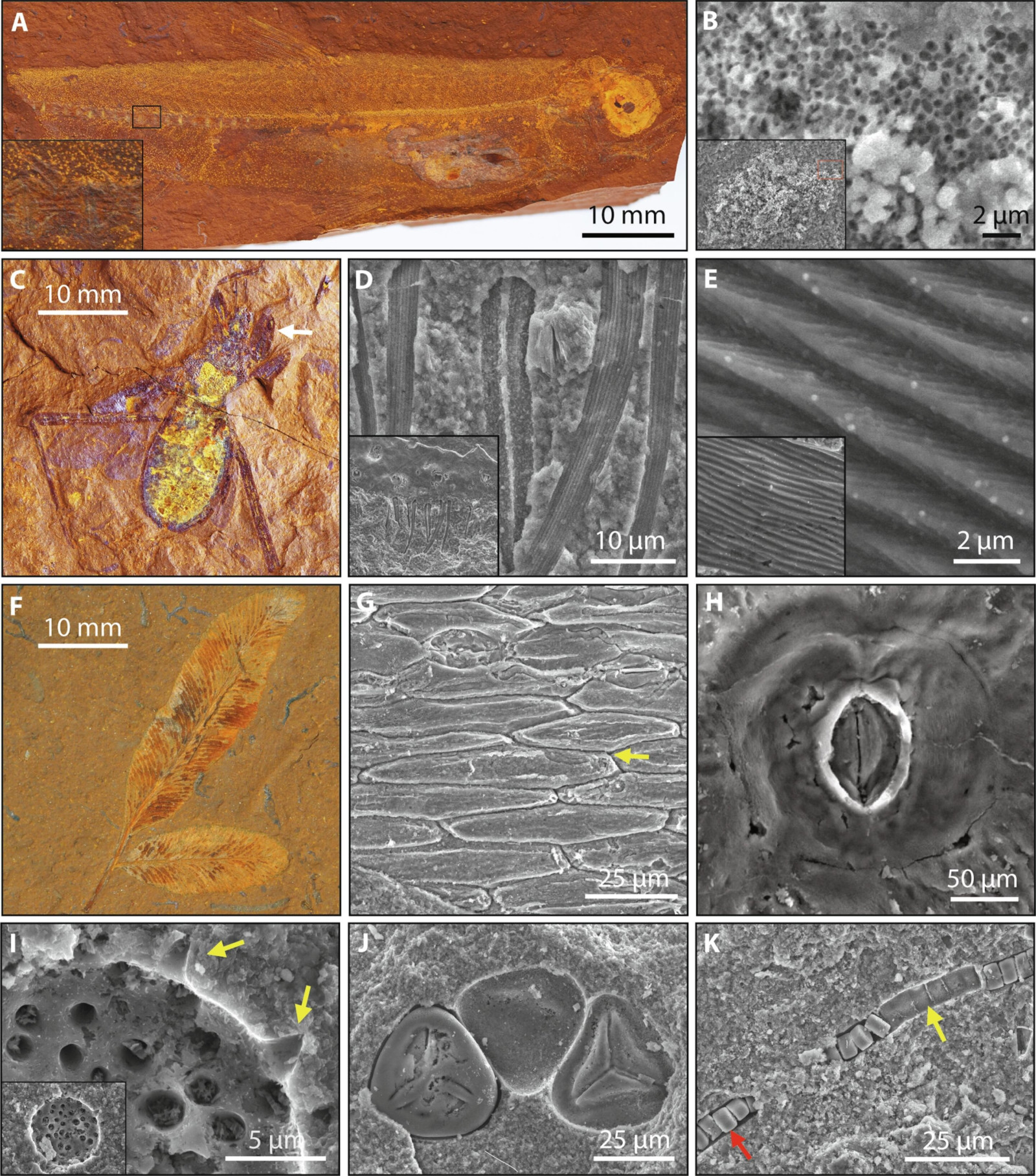
“Locating new fossil sites with exceptional soft-tissue preservation is vital for addressing taphonomic bias and accurately reconstructing the fossil record. McGraths Flat, a Miocene rainforest lake Konservat-Lagerstätte, uniquely preserves nanometre-scale soft-tissue structures in laminated Fe-oxyhydroxide (goethite) or ‘ferricrete’,” expalined the research team.
The Role of Iron in Fossil Preservation
Traditionally, iron-rich rocks are associated with ancient ocean environments low in oxygen, long before complex life evolved. The concept that iron-rich sediments could preserve fine details of land-dwelling organisms seemed unlikely—until the discovery at McGraths Flat. According to recent findings from the Australian Museum, the preservation is due to minute iron particles within the sediment.
During the Miocene epoch, iron derived from the breakdown of basalt was transported by acidic groundwater. This iron settled within an ancient river system, enveloping deceased creatures in a bed of fine iron-rich sediments. Remarkably, these finely grained particles infiltrated the cells of organisms, enabling preservation of soft tissues, which usually do not survive fossilization.
Exploring New Directions in Fossil Research
This breakthrough suggests that iron-rich settings could be far more significant in conserving soft tissues than previously recognized. This insight is likely to guide paleontologists to target iron-abundant regions with ancient river systems or volcanic landscapes shaped by humid, warm climates in their search for exceptional fossils.
“The iron-rich rocks of McGraths Flat opens an entirely new chapter in our understanding of how exceptionally-well preserved fossils can form. Once dismissed as only rusted weathering rock beds might actually be treasure troves of ancient life,” stated the press release published by the Australian Museum.
- Categories:
- Science



0 comments
Sign in to Comment