
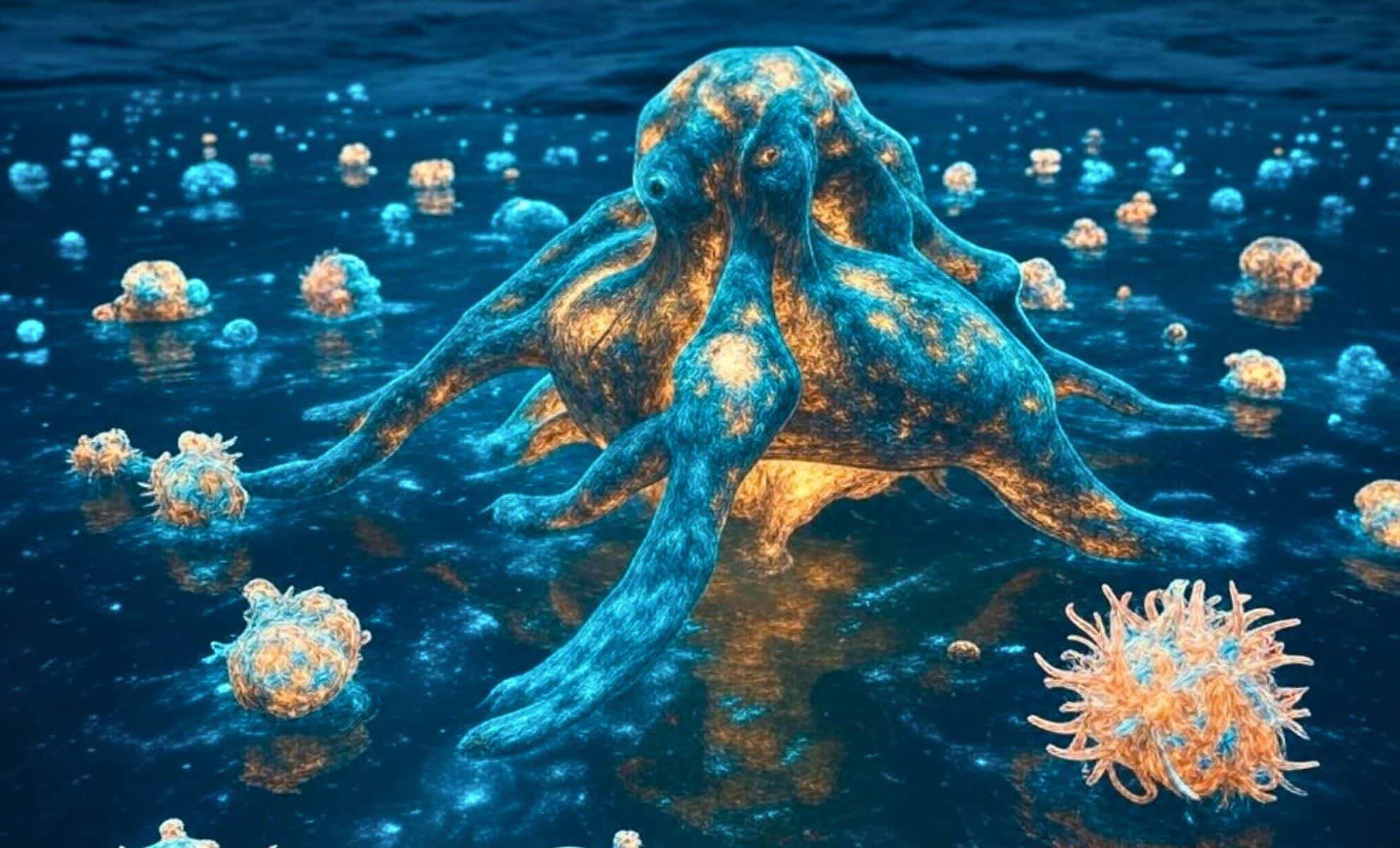
A groundbreaking discovery beneath Antarctica's ice sheet is revolutionizing our perception of life's resilience on our planet. Once believed to be an uninhabitable frozen desert, this harsh environment has revealed vibrant communities of microorganisms thriving within it. This astonishing finding provokes a profound inquiry into where the boundaries of life's existence truly lie under extreme conditions.
The Mystery of Enigma Lake: Revealing Life Beneath the Ice
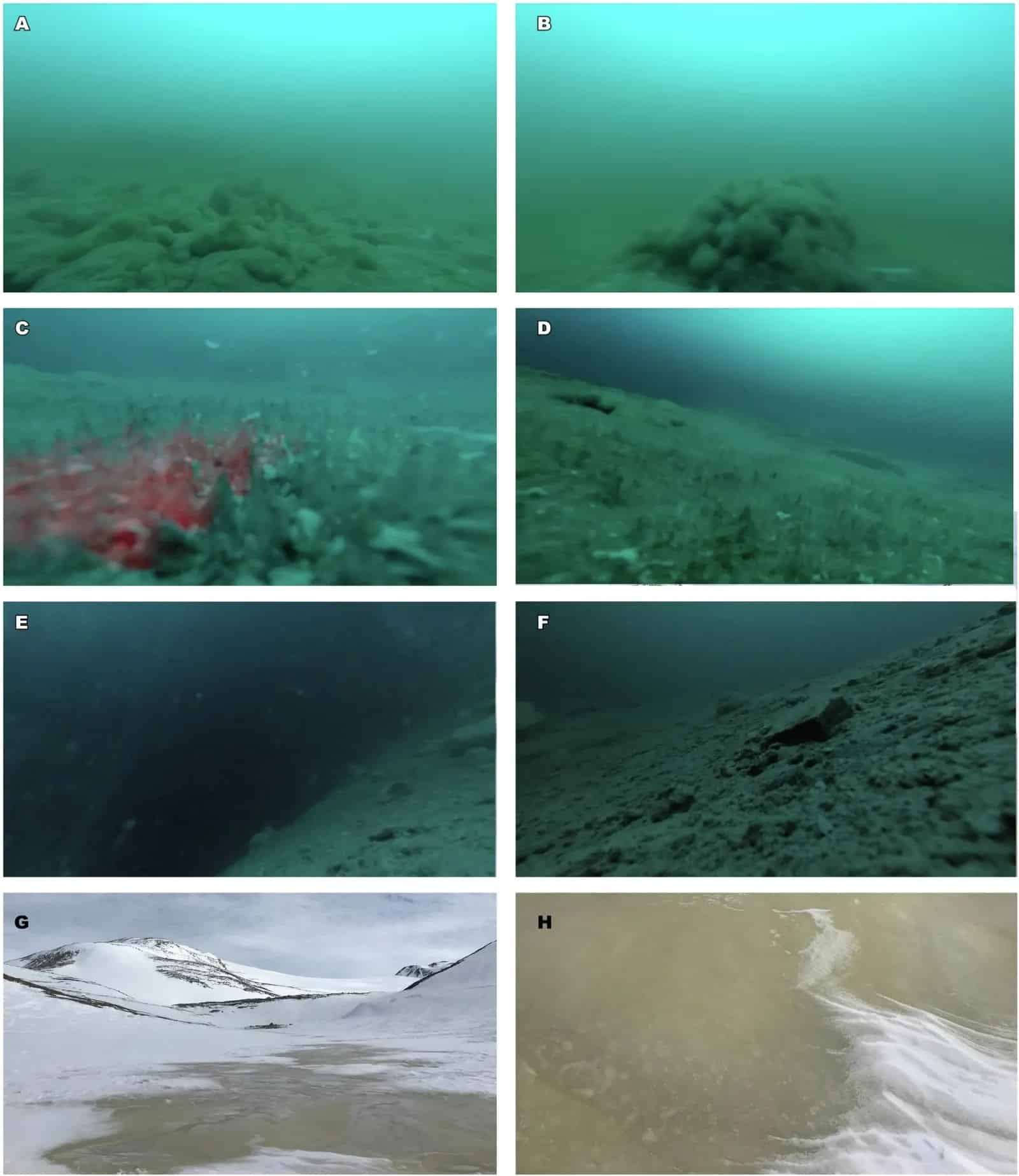
Concealed beneath Antarctica’s vast ice layers, Enigma Lake was long dismissed as a frozen, lifeless expanse. Recent investigations, however, have overturned that notion by uncovering pockets of liquid water beneath up to 12 meters of ice. Despite ambient temperatures plunging to an astounding -40.7°C, this subglacial lake supports a self-sustaining ecosystem below the surface. The international scientific team behind this discovery asks a critical question: how does life persist in such an unyielding habitat?
Researchers from Italy, Australia, and the United States applied advanced ground-penetrating radar technologies to identify and analyze these hidden aquatic environments. Their work challenges long-held assumptions about the Antarctic environment and its capacity to support life.


International Collaboration Drives This Breakthrough
This remarkable finding stems from a coordinated effort between multiple research institutions, including the National Institute of Polar Research in Italy, the University of Tasmania in Australia, and the University of Alaska. Expeditions carried out in 2019 and 2020 undertook drilling procedures to extract water samples and scrutinize both the chemical profile and microbial inhabitants of Enigma Lake.
Leading the study are environmental biologist David Pearce from Tasmania and glaciologist Michael McClung from Alaska. Their comprehensive approach has unveiled complex biological activity hidden beneath the Antarctic ice.
Resilient Bacteria Thrive Where Life Was Once Thought Impossible
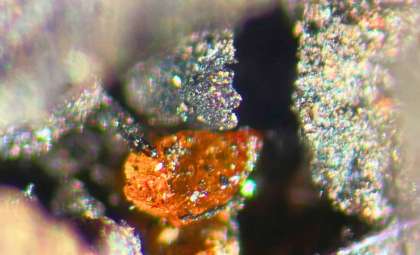
More than just water, the lake harbors unique microorganisms, especially a little-known class called Patescibacteria, which demonstrates remarkable adaptations to its extreme environment. These microbes have streamlined genomes and depend heavily on interactions with other organisms to survive in the cold, high-pressure waters of Enigma Lake.
The study notes, “Patescibacteria often need to interact with other organisms to survive, either symbiotically or parasitically.” Their presence in such a remote setting challenges previous ideas about where life can exist and highlights the surprising tenacity of microbial ecosystems.
How Glacial Meltwater Sustains Liquid Water Below the Ice
Another captivating dimension is the potential role of the nearby Amorphous Glacier in preserving the liquid state of Enigma Lake. Some experts propose that continuous discharge of meltwater from the glacier replenishes the lake, preventing it from freezing despite the brutally cold surroundings. This hypothesis adds complexity to the understanding of Antarctic hydrology and ecology.
In early 2020, scientists observed a significant flow of meltwater from the glacier feeding into the lake, instigating new discussions about Antarctic water dynamics. The chemical stability of this meltwater after being isolated for millions of years continues to puzzle researchers.
Stable Water Chemistry Offers Clues for Life Beyond Earth
The chemical uniformity maintained in Enigma Lake despite its prolonged isolation is among the most intriguing findings. This discovery not only enhances knowledge of Earth's extreme ecosystems but also fuels speculation about extraterrestrial habitats.
Scientists have hypothesized that similar subglacial seas beneath the icy crust of Jupiter’s moon Europa might harbor life. Understanding how Enigma Lake’s water remains stable provides valuable insight into the potential for biological activity in analogous extraterrestrial environments.
Implications for the Search for Life on Other Worlds
This discovery compels a re-evaluation of extremophiles — organisms that flourish in conditions previously thought inhospitable. If microbial life thrives beneath Antarctic ice sheets, it is plausible that similar habitats could exist on icy worlds like Mars or Europa. Enigma Lake offers a natural laboratory for astrobiologists investigating the prospects for life in extreme extraterrestrial environments.
Future space missions may look to this microbial ecosystem as a model for what to expect in subsurface lakes on distant planets and moons, potentially bringing humanity closer to answering the enduring question of life beyond Earth.
- Categories:
- Science ,
- Extraterrestrial life ,
- Evolution








0 comments
Sign in to Comment