
Researchers collaborating from Muse–Museo delle Scienze, Udzungwa Corridor LTD, Via Grazia Deledda, and the National Museum of Kenya have made a remarkable find in the Udzungwa Mountains of Tanzania, as detailed here.
Their study, published in Phytotaxa, introduces a new tree species named Tessmannia princeps. This plant was uncovered within Tanzania’s mountainous rainforests, a hotspot renowned for its exceptional biodiversity.
Introducing Tessmannia princeps: Classification and Characteristics
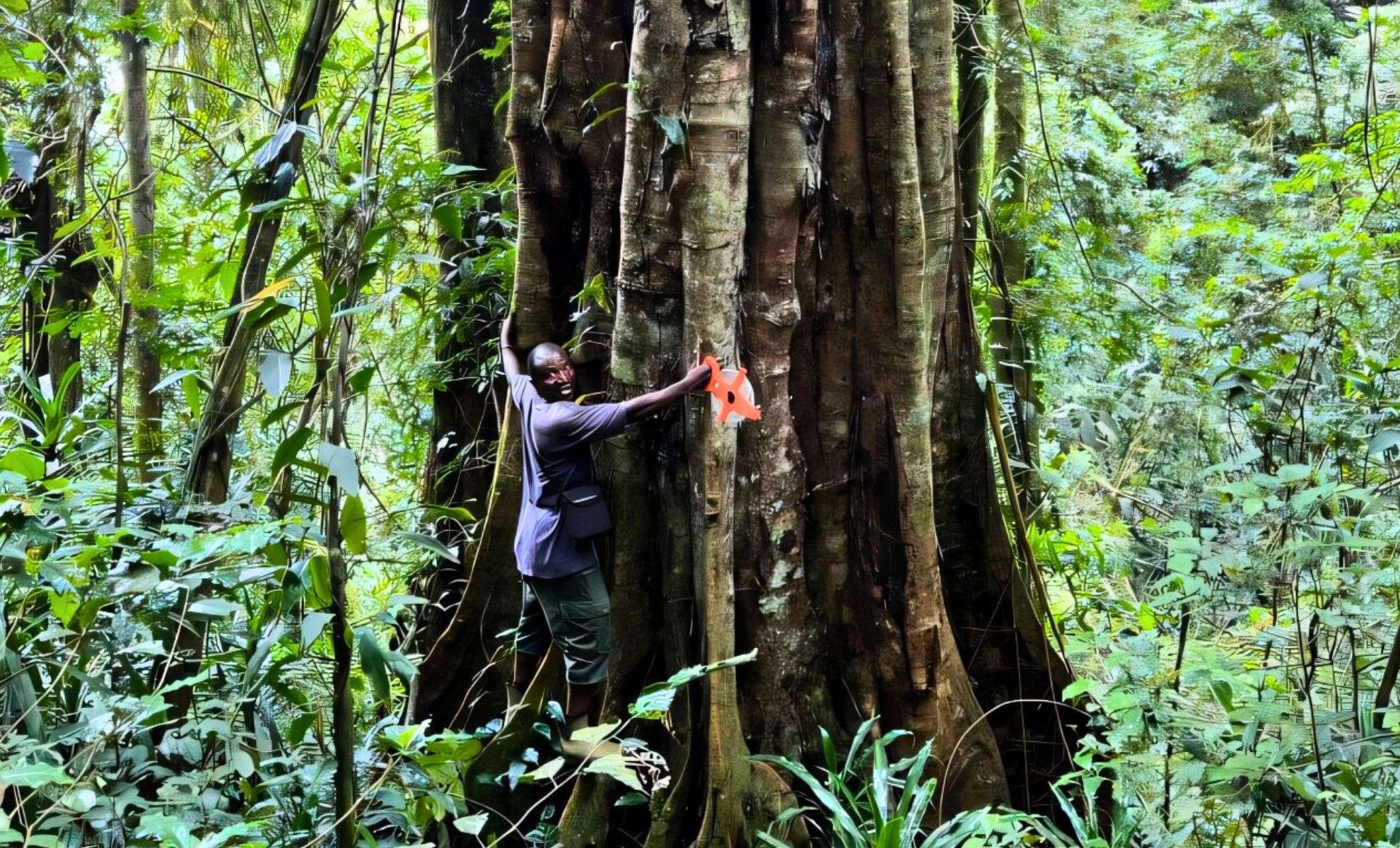
During a 2019 expedition through Uluti Village and Boma la Mzinga Forest Reserves, the scientists came across an imposing tree species unfamiliar to their expertise.

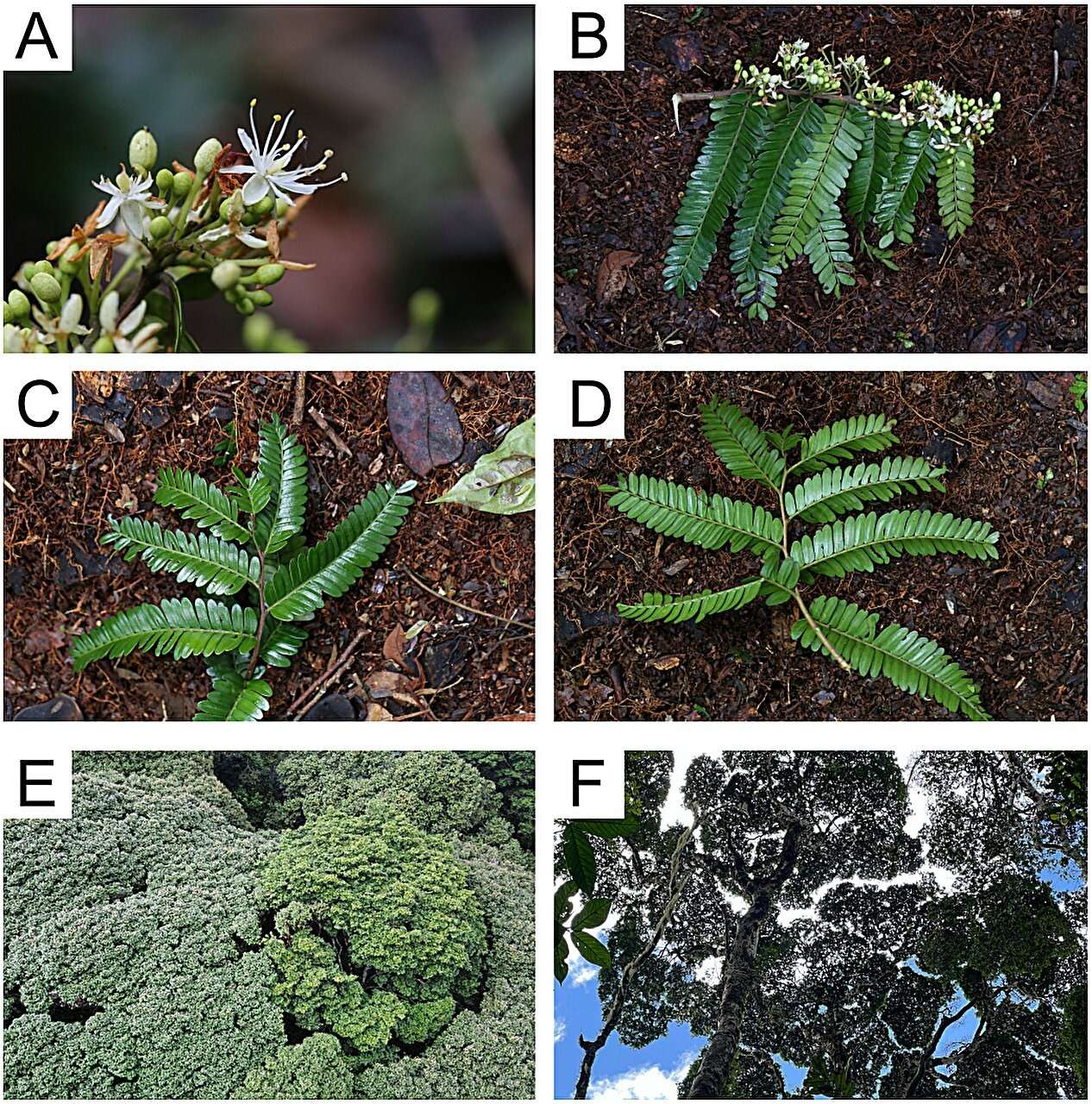
Its unique blossoms featured delicate white petals tipped with small yellow bulbs, captivating the team’s interest. They documented the specimen with photographs and gathered leaf samples, later confirming through laboratory tests that it was an entirely new species.
They designated the species as Tessmannia princeps, with “princeps” rooted in Latin for “most distinguished,” highlighting its majestic stature and comparatively large size among surrounding trees. The species is notable for both its grandeur and remarkable rarity.
Research indicated that some individuals of this species may live up to 3,000 years, ranking them among the ancient giants of the forest. Their growth is extremely gradual, with a thickening of only 1 centimeter every 15 years.
Such slow development renders Tessmannia princeps particularly susceptible to anthropogenic threats, as their continued existence depends on long-term environmental stability.
The Ecological Importance of the Udzungwa Mountains
The Udzungwa Mountains, part of the Eastern Arc chain, host an abundance of rare and threatened flora and fauna. Numerous species here, including Tessmannia princeps, are endemic to this locale.
This exclusivity underscores the Udzungwa Mountains’ critical role in conservation efforts. Recognizing its distinctive biodiversity, the region has been designated as a national park, strictly limiting human activities like logging.
Safeguarding this environment is vital for species such as Tessmannia princeps, which, due to its slow growth and scarce population, is highly vulnerable to habitat disturbances. Park protections provide these ancient trees with a chance to endure.
Broader Impacts on Biodiversity Preservation
The identification of Tessmannia princeps enriches current knowledge about Tanzania’s rich Udzungwa biodiversity. Its remarkable longevity and slow growth symbolize the ongoing challenges of protecting delicate ecosystems. Preserving such ancient life forms demands sustained conservation initiatives and acknowledgment of their invaluable ecological worth.
Continued research and protective measures in the Udzungwa Mountains are essential for maintaining the region’s diverse biological heritage and ensuring that species like Tessmannia princeps persist for future generations.
- Categories:
- Science






0 comments
Sign in to Comment