
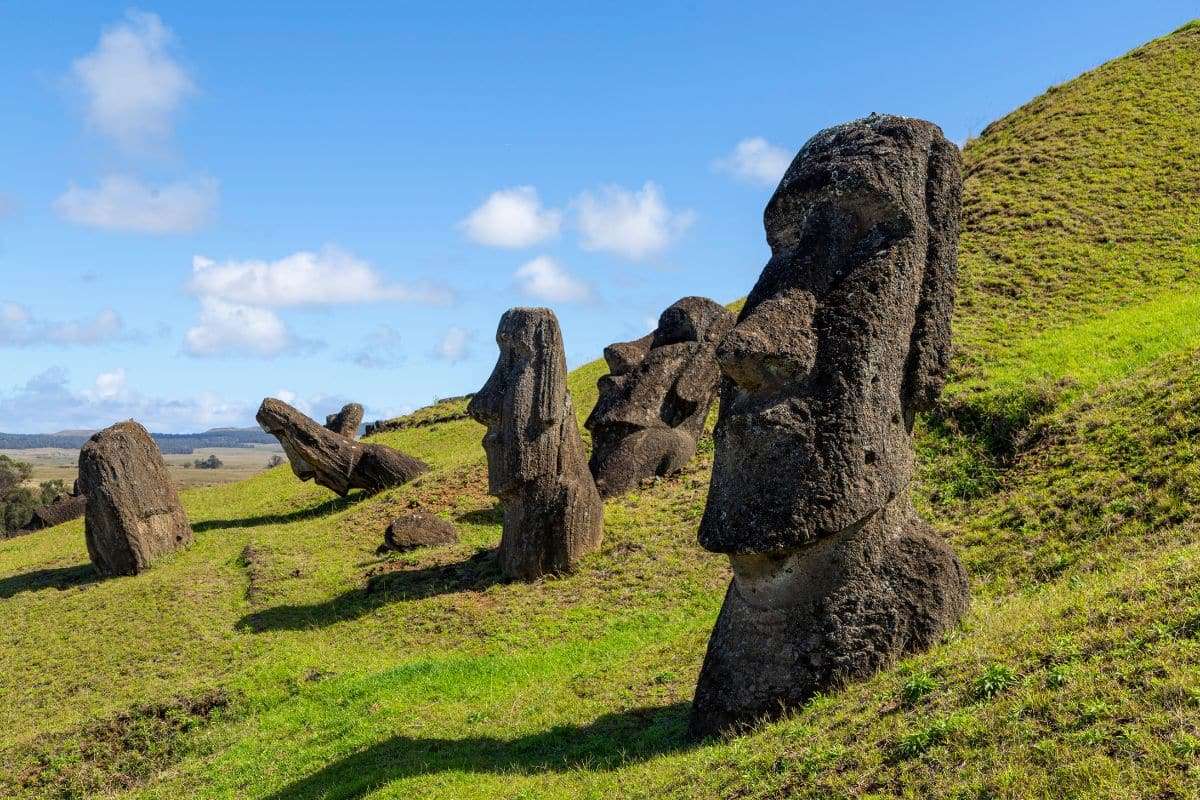
Deep within Rapa Nui, or Easter Island, a once-extinct tree species is showing signs of revival. The toromiro tree (Sophora toromiro), integral to the island’s natural and cultural heritage, vanished from the wild in the 1960s following extensive deforestation and environmental challenges. After years of unsuccessful attempts, a new scientific approach is offering renewed optimism for its comeback.
A Botanical Symbol Rooted in Rapa Nui Heritage
The toromiro held a special place in Rapa Nui’s natural world and culture. Its timber was traditionally shaped into sacred objects such as moai kavakava, small wooden figures reminiscent of the island’s renowned stone statues.
The species disappeared from its native habitat by the mid-1900s. Fortunately, seeds from the last known tree were preserved and transported to Chile’s national botanical garden in Viña del Mar, where they were propagated with care.

Uncovering a Vital Symbiosis
Scientists long sought the reason behind toromiro’s failure to flourish back home. Researchers at Concepción University in Chile identified a key factor: like many legumes, the toromiro depends on a symbiotic relationship with soil bacteria called rhizobia. These bacteria inhabit its roots and assist in nitrogen absorption, essential for the tree’s growth.
The catch? The specific rhizobia strains necessary for the toromiro’s survival are no longer present in Rapa Nui’s soil. Extensive soil testing revealed their absence. Laboratory experiments confirmed that toromiro seedlings inoculated with these beneficial bacteria displayed markedly improved growth compared to untreated ones.
“I’m confident that these organisms can make a difference,” says Macarena Gerding, the legume agronomist spearheading this research. “But I think we still have to look after those plants for a while.”
The Delicate Path to Reintroduction
Armed with this insight, conservationists have returned saplings to the island. Since 2018, they have planted more than 100 toromiro seedlings, inoculated with supportive bacteria, and nurtured them within the Mataveri Otai Nursery, under the careful watch of Paté.
Despite advances, obstacles remain. For the toromiro to truly reclaim its native habitat, the trees must be able to reproduce naturally—a milestone yet to be achieved.
“It’s been a super-ambitious task to resurrect this species,” says Paté. “It’s been very complicated – the climate didn’t used to be like this.”
Facing Rapa Nui’s Contemporary Challenges
While science opens new doors, some locals harbor doubts. Rapa Nui’s ecosystem has transformed drastically over time—invasive plants currently cover 90% of the island’s vegetation, and environmental conditions differ considerably compared to the past.
Since toromiro prefers shaded, humid areas, efforts focus on planting near palm groves or volcanic crater regions where microclimates might favor growth.
Still, skepticism lingers among residents. Jaime Espejo, a forest engineer involved in the initiative, acknowledges that prior efforts' shortcomings have fueled uncertainty.
Some islanders feel Rapa Nui’s changing landscape may no longer support the toromiro, while others doubt if the ecological and cultural identity of the original tree can ever be fully restored.
- Categories:
- Science












0 comments
Sign in to Comment