
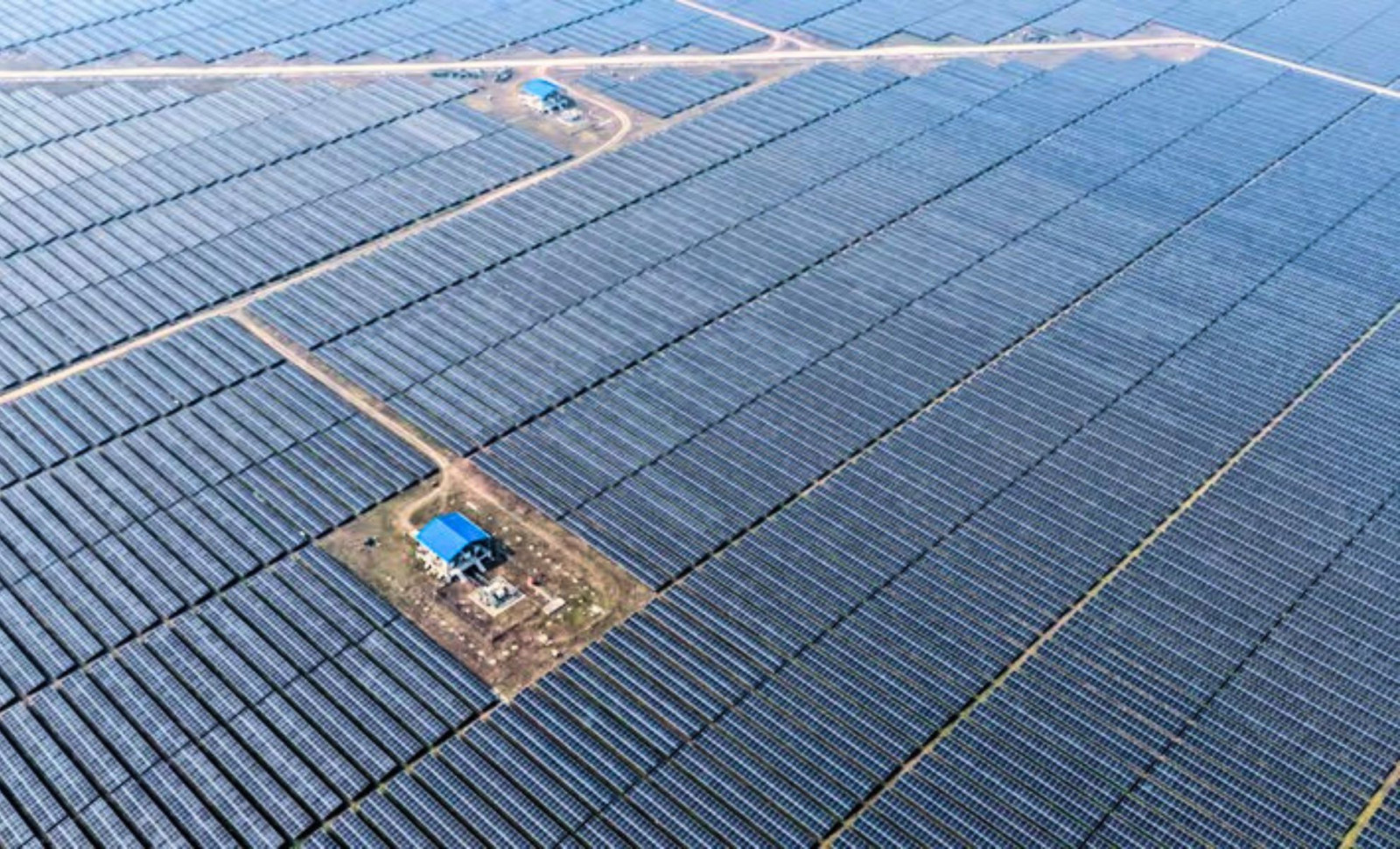
In numerous rural regions of Nigeria, technicians are actively setting up strings of solar panels close to homes and small businesses. These solar arrays are independent from the national power grid, instead forming self-sufficient mini-grids that deliver electricity directly to local communities. The deployments mark a swift growth in solar mini-grid infrastructure throughout Nigeria’s countryside.
Each setup integrates photovoltaic panels, battery storage systems, and short-range distribution wiring linking residences and commercial sites. This localized energy production eliminates reliance on distant power stations and extensive transmission lines. For many villages, this marks the arrival of a steady power source after prolonged shortages. The rollout is fueled by a substantial $750 million energy initiative financed by the World Bank.
Electricity unreliability has plagued Africa’s largest country for decades, posing a significant infrastructure hurdle. Frequent power interruptions force residents and enterprises to depend on petrol or diesel-powered generators to maintain daily functions. While these provide backup energy during outages, fuel expenses are a constant burden. The new investment strategy focuses on expanding clean energy sources directly into communities in need.

World Bank Greenlights $750 Million for Rural Solar Development
In December 2023, the World Bank sanctioned a $750 million loan aimed at boosting Nigeria’s renewable electricity landscape. This project, known as the Distributed Access through Renewable Energy Scale-Up (DARES), is funded through the International Development Association, the concessional branch of the World Bank Group. Its primary objective is to expand decentralized renewable energy assets rather than traditional centralized power plants.
Execution is led by Nigeria’s Rural Electrification Agency, tasked with enhancing electricity availability in underserved areas. This agency partners with private energy firms that design and maintain solar systems. These companies benefit from dedicated grants and technical aid as they implement solar projects in communities beyond conventional grid reach. The initiative aims to extend electricity to approximately 17.5 million people.
Funding relies on performance-based grants that reward developers after successfully connecting households and businesses. This strategy minimizes financial hurdles commonly associated with rural energy projects and encourages swift deployment of renewable solutions.
The Ongoing Reliance on Petrol Generators Explained
Despite Nigeria’s emerging economy, a vast segment of the population lacks dependable electricity. It’s estimated that about 86 million Nigerians do not have consistent power, and many connected consumers face frequent outages lasting several hours. Consequently, petrol and diesel generators remain a widespread solution in urban and rural settings alike.
Although generators enable continuity during power failures, they demand daily fuel consumption and regular upkeep. They also contribute to noise pollution and emit harmful pollutants. For small businesses, fuel expenses for generators often constitute a significant operational cost.
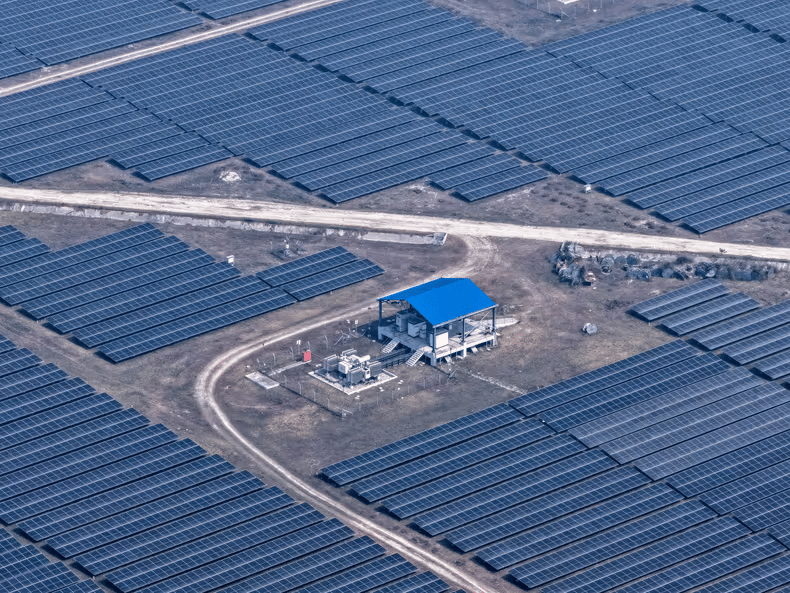
Solar mini-grids offer a cleaner alternative by harnessing solar power during the day and storing surplus energy in batteries for use after sunset. Electricity is then distributed through short cables connecting nearby residences and businesses. This localized system enables communities to receive energy access without relying on prolonged grid expansion projects.
Structuring the Solar Program to Incentivize Developers
The DARES initiative supports two primary renewable technologies: community-wide solar mini-grids that electrify entire villages, and smaller-scale solar home systems designed for individual households. Both approaches target locales distanced from existing electricity infrastructure.
According to Business Insider Africa, disbursal of incentives is contingent upon project completion. Funds are allocated only after energy systems become operational and consumers are connected. This performance-based financing encourages developers to maintain functional, reliable energy services and discourages incomplete installations.
The project also fosters economic growth in rural communities. World Bank projections estimate that more than 237,000 micro, small, and medium enterprises could benefit from improved power access—businesses like welding shops, grain mills, eateries, and local retailers could reduce their dependence on fuel-run generators through steady electricity supply.
Previous Efforts Paved the Way for Mini-Grid Success
DARES builds on experiences from the earlier Nigeria Electrification Project, which piloted solar and renewable energy deployments in communities with limited grid connectivity. This program delivered practical insights and helped refine the approach to decentralized electricity expansion.
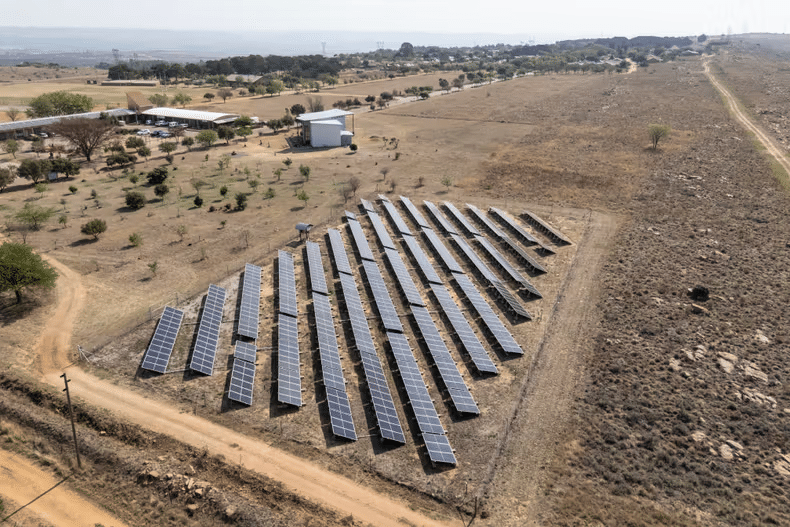
During that initiative, developers installed 125 solar mini-grids and over one million solar home systems across multiple areas. These efforts provided electricity access to upwards of 5.5 million Nigerians, lessons from which influenced the broader DARES strategy.
Compared to traditional power infrastructure, mini-grids can be rolled out considerably faster. After securing permits and financing, installations often take just months, bypassing the need for extensive transmission lines or large substations. This makes them ideal for reaching remote locations.
Tackling Nigeria’s Dependence on Fuel Generators
One of the DARES program’s significant anticipated outcomes is curbing reliance on petrol and diesel generators, which are widespread as backup power sources. These generators often run for hours daily during power interruptions, resulting in high fuel costs.
World Bank estimates predict that the new solar installations can replace more than 280,000 petrol and diesel generators. Solar mini-grids equipped with battery storage offer consistent, fuel-free power, enabling businesses to run equipment, refrigeration, and lighting continuously. This transition decreases fuel expenses and lowers pollution levels.
Dependable electricity access also boosts local commerce, allowing shops to operate later and enhancing food preservation through refrigeration. Workshops powered by electric tools can continue production without disruption. These improvements usually manifest shortly after mini-grid activation.
- Categories:
- News










0 comments
Sign in to Comment