
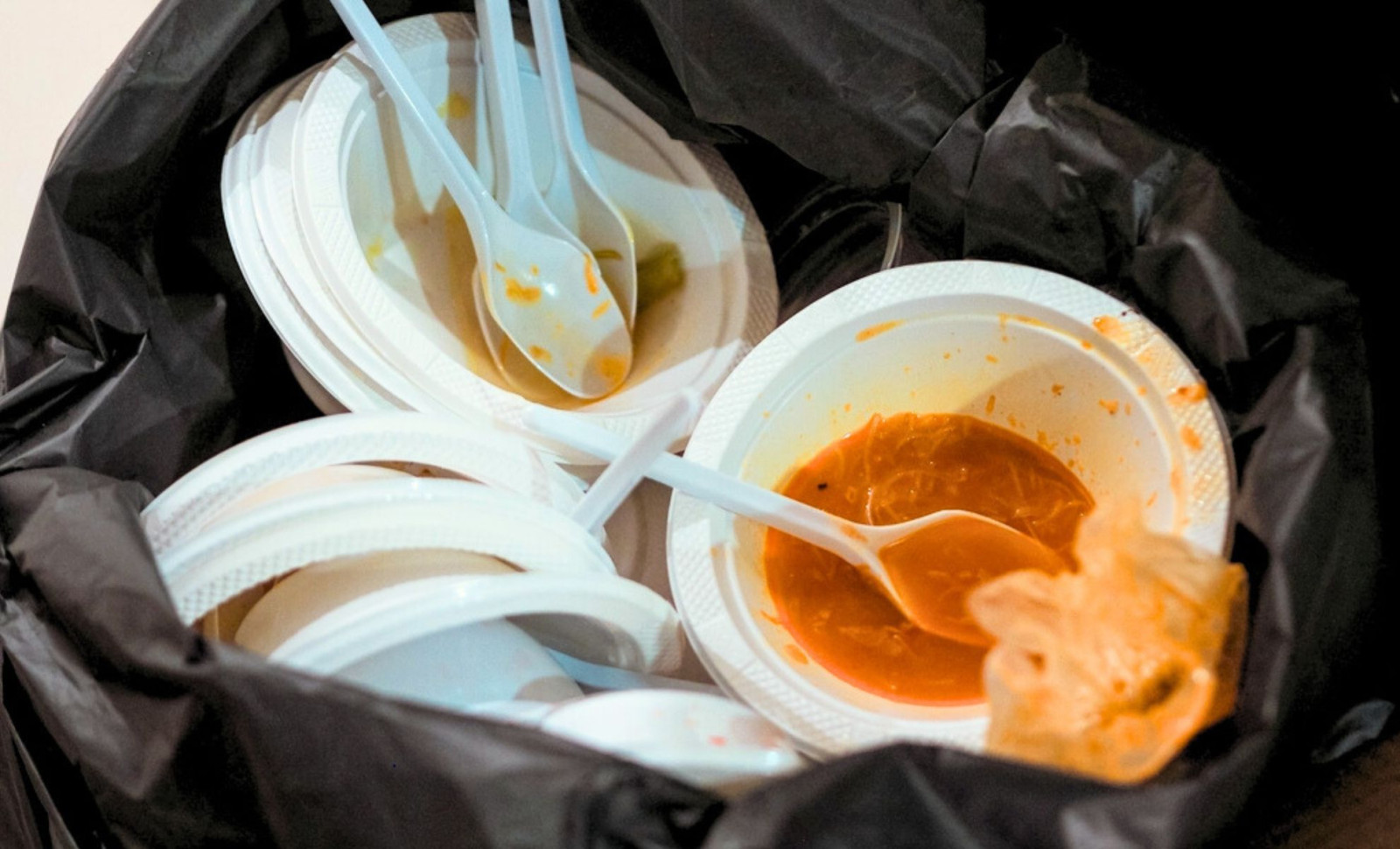
In numerous urban communities across the Global South, discarded plastic is being repurposed as a valuable fuel. Due to limited access to clean energy and inconsistent or absent waste management services, many households rely on the most readily available combustible material: plastic.
This practice predominantly occurs away from public scrutiny, within homes and narrow alleys, rather than in designated industrial or waste processing locations. The use of plastic as fuel is not rooted in ignorance but emerges as an adaptive response to the absence of fundamental services like energy and sanitation.
Research released in early 2025 by the Curtin Institute for Energy Transition, in partnership with global collaborators, has shed light on this phenomenon. Their report, published in Nature Communications, represents one of the initial comprehensive studies documenting the use of plastic as household fuel in impoverished urban settings.

Evidence Highlights Extensive Adoption
Among survey respondents, 16 percent acknowledged personally burning plastic indoors for cooking or heating, while almost half witnessed this behavior in their communities. This is particularly prevalent in regions of sub-Saharan Africa, South Asia, and Latin America.
Households primarily burn plastics commonly encountered in daily life: disposable food wrappers, drink containers, chemical packaging, and plastic bags. The most frequently mentioned polymers include polyethylene terephthalate (PET), low-density polyethylene (LDPE), and polyvinyl chloride (PVC). These materials are chosen out of necessity rather than safety considerations.
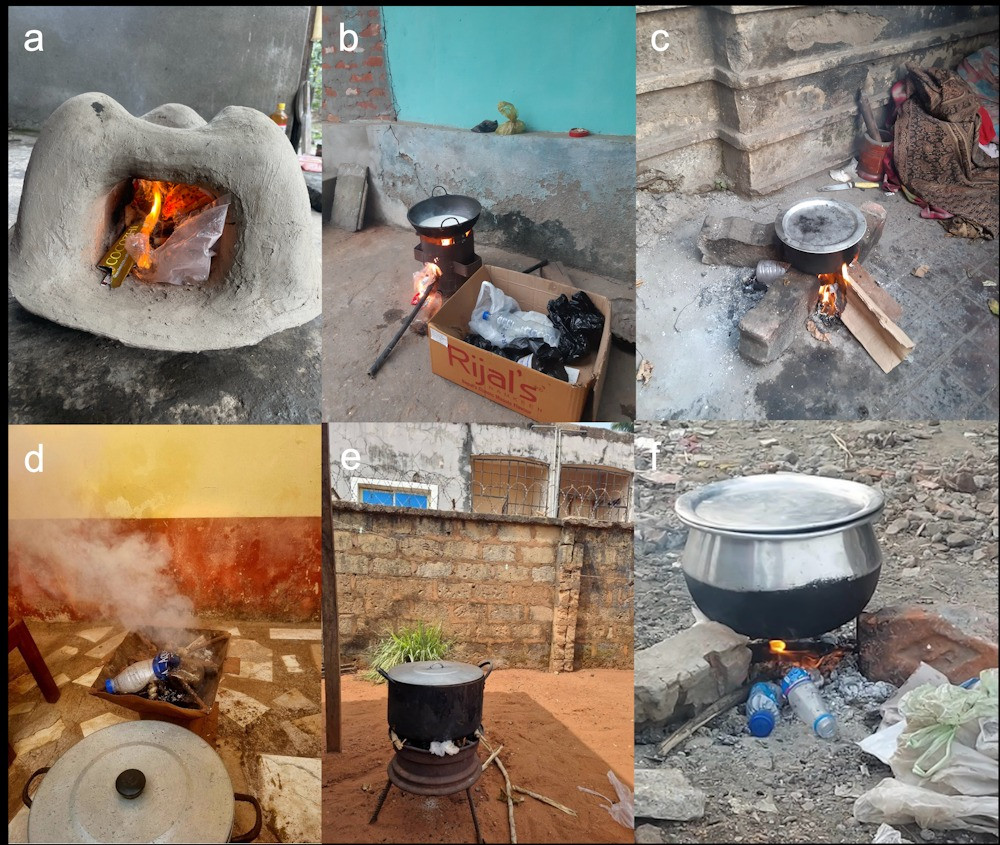
Health risks are considerable. When plastic is ignited, especially within low-heat stoves, it releases dangerous pollutants. In particular, PVC emits toxic dioxins and furans, substances known for their environmental persistence and ability to infiltrate the food chain.
Exposure is intensified inside cramped, poorly ventilated homes where cooking occurs, prolonging inhalation of harmful smoke. Vulnerable groups include women, young children, elderly individuals, and those with restricted mobility who spend more time near cooking areas.
Furthermore, contamination risks extend to food and water. Participants reported detecting toxic chemicals in soils and livestock around sites where plastic is burned. Dr. Pramesh Dhungana, co-author of the study, emphasized such contamination as a significant route for ongoing exposure.
Crucial Role of Infrastructure Deficiencies
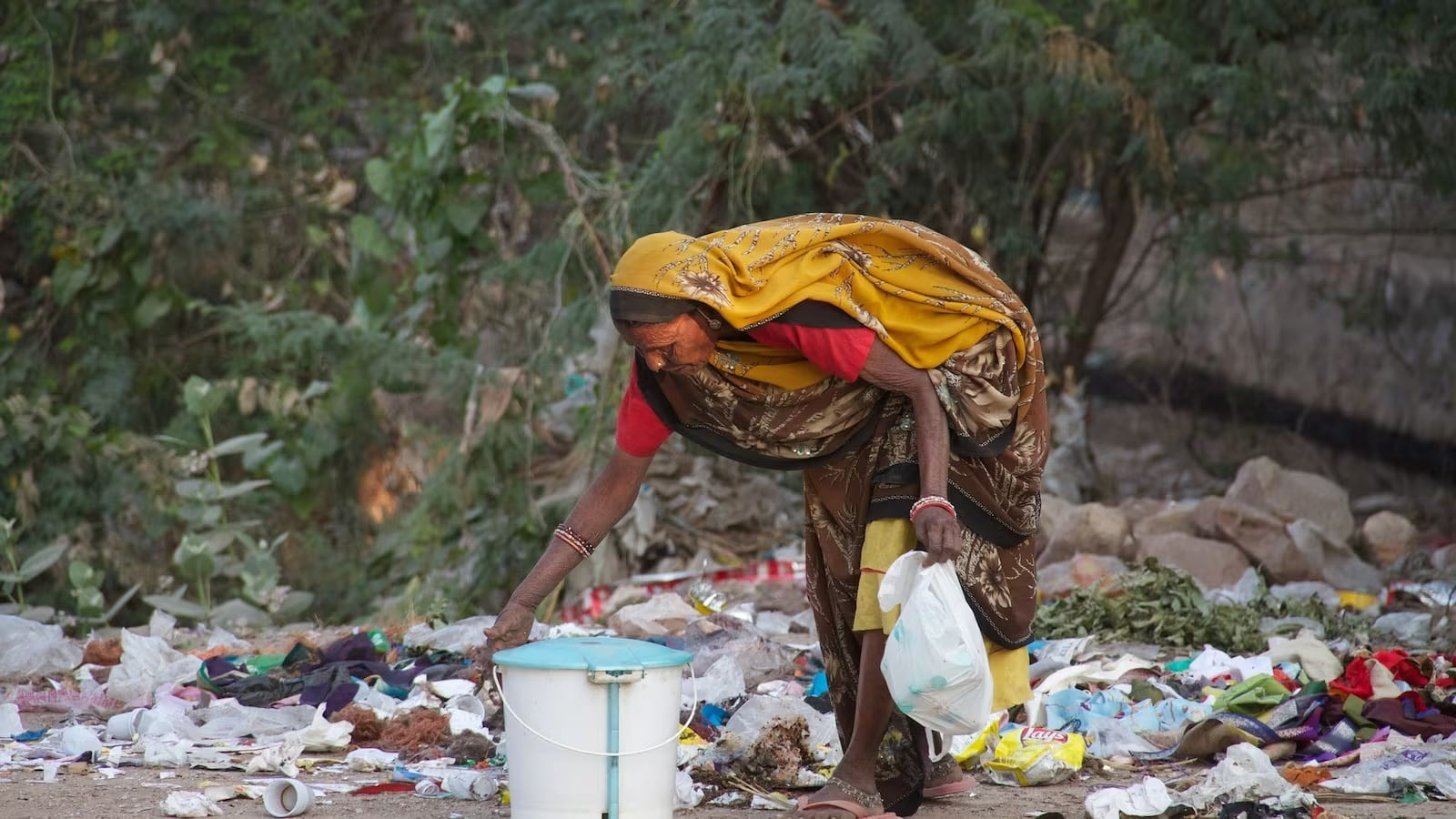
The decision to burn plastic rarely arises from convenience. Instead, it is a survival tactic in situations where affordable clean fuels are scarce and waste collection services do not reach residents. In such scenarios, plastic acts both as a source of energy and a form of unmanaged waste.
Many interviewees reside in informal settlements lacking municipal waste services. Clean fuels are frequently sold at prices beyond the reach of low-income families. Traditional fuels like firewood or charcoal can also be limited due to deforestation or increased consumption.
According to Professor Peta Ashworth from the Curtin Institute for Energy Transition, “The use of plastic as fuel emerges solely because safer options are unavailable.” Burning plastic serves the dual function of disposing unwanted waste and substituting for costly or labor-intensive fuel sources.
The study revealed specific applications of plastic fuel were widespread. Nearly half of those aware witnessed it used for cooking, while smaller yet noteworthy proportions saw plastic employed for space heating, pest deterrence, and fire-starting. Many described fuel stacking, where plastic is combined with wood or charcoal in fires to conserve limited fuel supplies.
Attempts to regulate or ban the practice at municipal levels have achieved little progress. In the absence of safer alternatives, bans may inadvertently increase health hazards by driving plastic burning indoors. As mentioned in an Earth.com article, this activity is often clandestine and overlooked within formal energy or sanitation frameworks.
Research Challenges and Future Directions
Despite mounting evidence of the problem, gaps remain in fully understanding the health impacts from indoor plastic combustion. Monitoring toxic emissions in informal environments is complex, and standardized tools for assessing long-term effects on households are lacking.
Existing data mostly derive from indirect measures such as contaminated soil and food sampling, observational accounts, and localized case studies. Comprehensive evaluations are necessary to measure exposure, document health outcomes, and develop adaptable solutions tailored to diverse urban environments.
Moreover, policy options remain uncertain. Efforts involving improved cookstoves and communal waste management exhibit potential, as indicated by current investigations, but success depends on local culture, infrastructure availability, and governance.
Currently, burning plastic as a fuel within homes is quietly increasing across many cities, remaining underrepresented in official energy statistics and often omitted in policy agendas. Still, its effects on air quality, food safety, and public health warrant urgent attention.
- Categories:
- News












0 comments
Sign in to Comment