
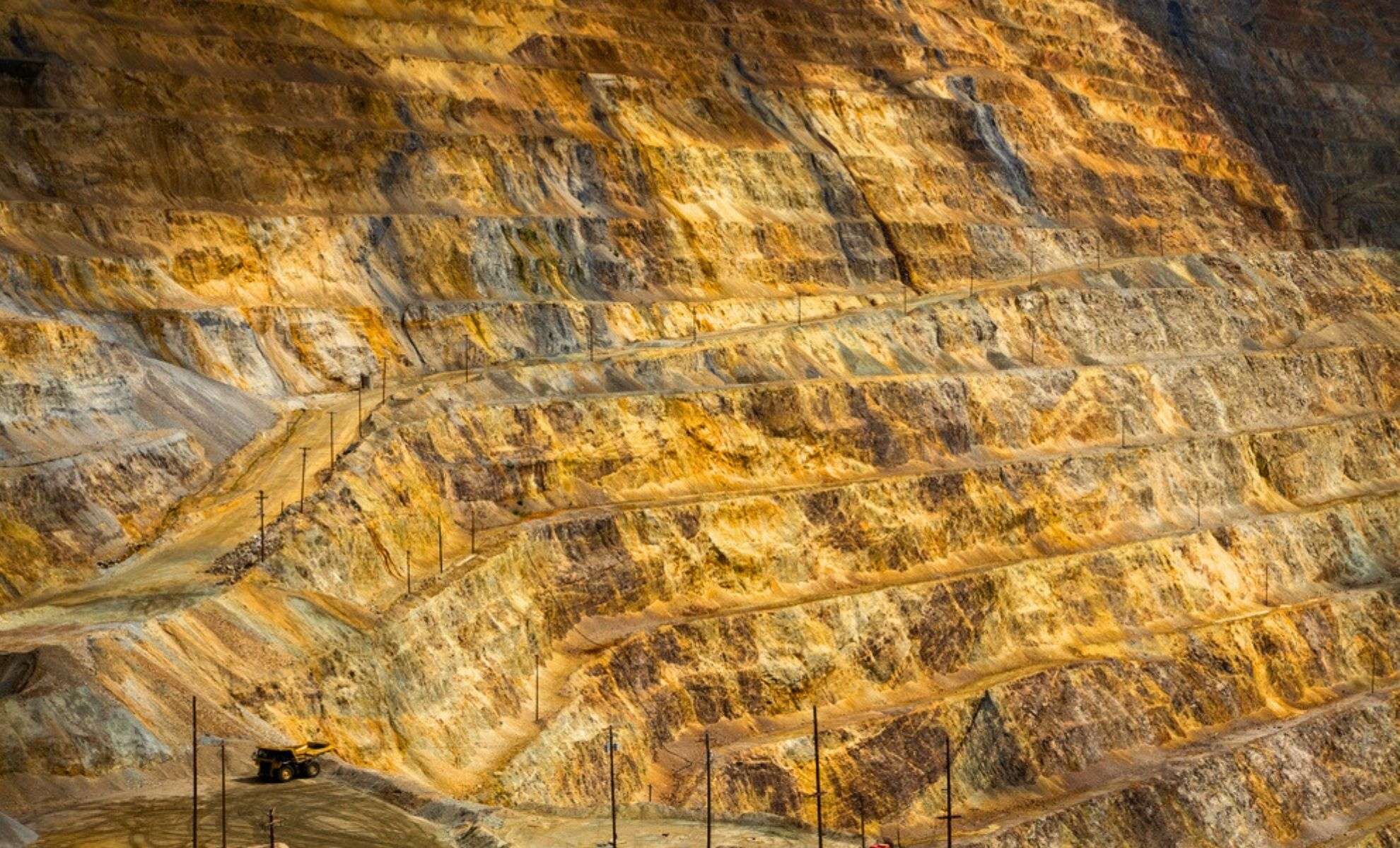
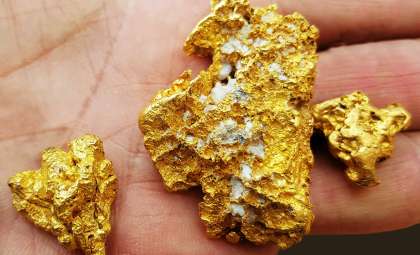
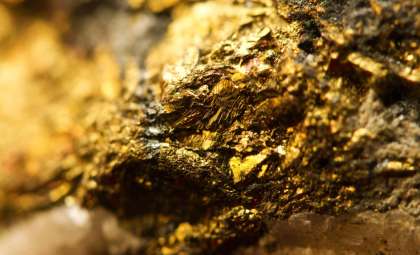
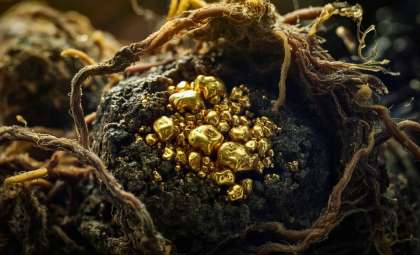
India's eastern state of Odisha is ushering in a promising chapter of mineral exploration after recent surveys uncovered up to 20 metric tons of gold deposits across various districts. Conducted by the Geological Survey of India (GSI), this significant find is poised to lead to the state’s first-ever auction for gold mining rights on one of its identified blocks.
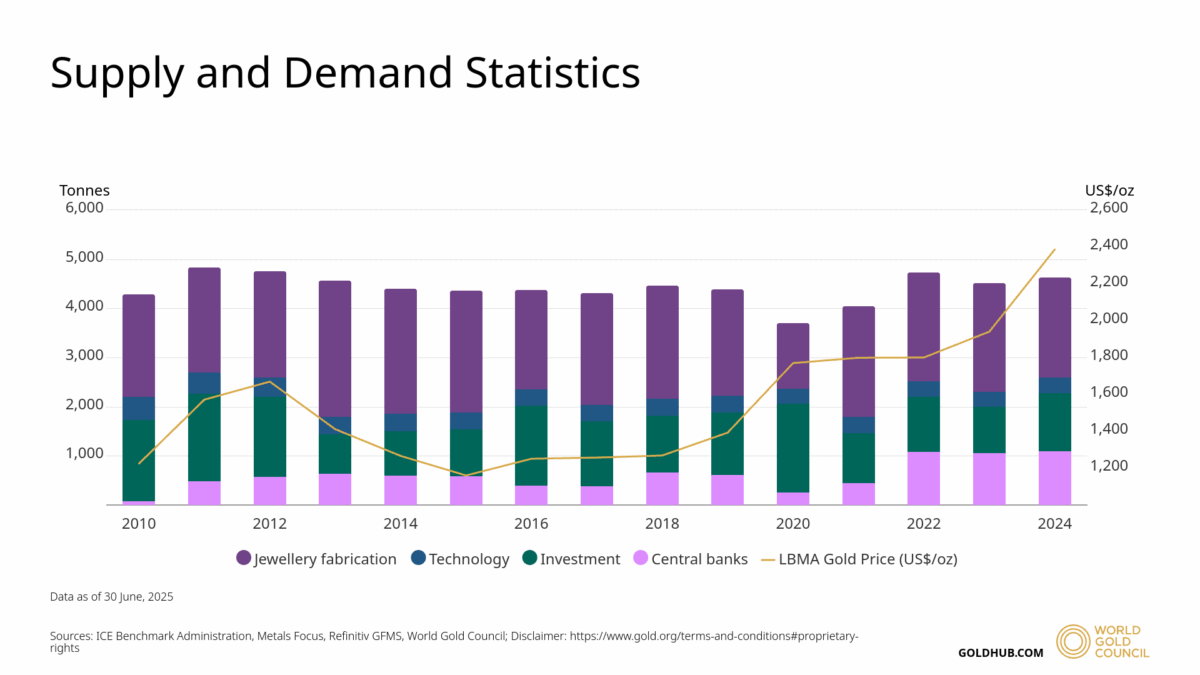
Although relatively modest when viewed on a global scale, these reserves hold strategic importance for a country that imports over 700 metric tons of gold annually, as noted by the World Gold Council. This development aligns with the Indian government’s broader agenda to boost domestic mineral production, lessen reliance on imports, and unlock value from underexplored mineral wealth.
The upcoming auction will likely center around a deposit in Deogarh district, where exploration has advanced from the preliminary G3 stage to the more comprehensive G2 level. This indicates rigorous assessment of the resource’s technical and economic viability. The Odisha Mining Corporation (OMC) is managing the auction process, which will proceed once detailed evaluations and regulatory steps reach completion.

Strong regional resources enable swift project rollout
Odisha is already a major mining hub in India, housing approximately 96% of the nation’s chromite, 52% of its bauxite, and 33% of its iron ore, based on figures from the Ministry of Mines. This entrenched infrastructure—including logistics, processing plants, and experienced workforce—provides a solid foundation for launching gold extraction operations with minimal need for large-scale new investments.
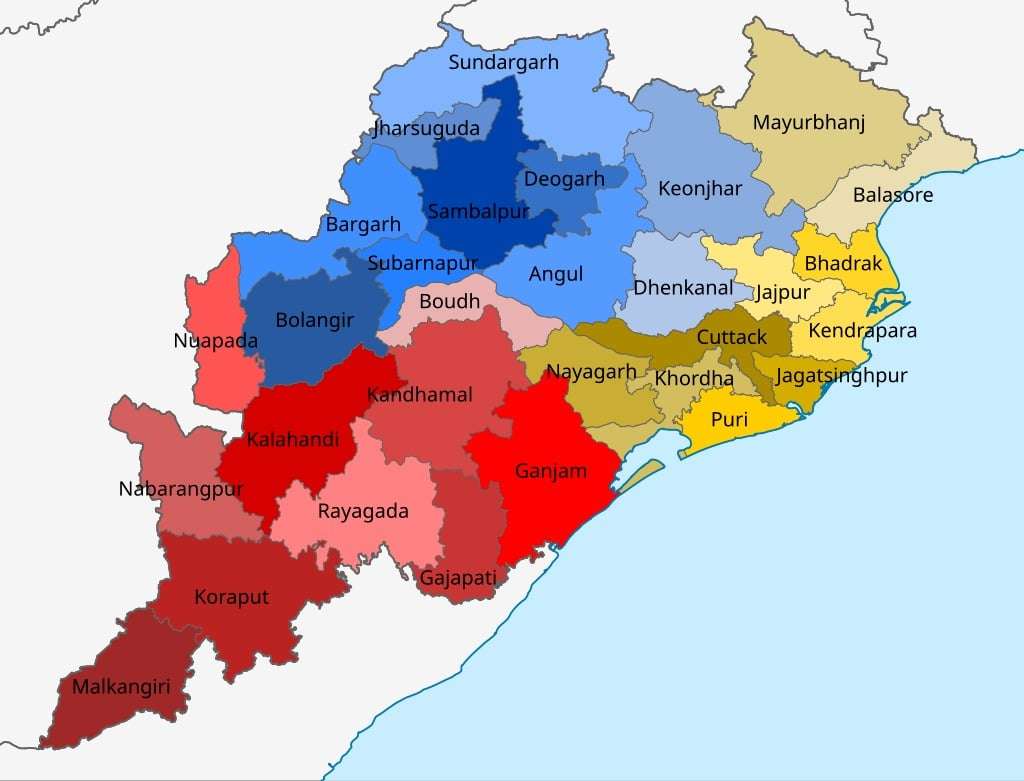
The districts earmarked for gold exploration—Deogarh, Keonjhar, Koraput, Angul, Sundargarh, and Nabarangpur—are undergoing extensive further sampling and drilling to validate ore grade and volume. Concurrently, surveys continue in Mayurbhanj, Sambalpur, Malkangiri, and Boudh, as highlighted on the official district map of Odisha, following earlier geological indicators of potential gold mineralization.
The GSI has stressed that achieving G2 exploration status ensures better-defined resource categorization, crucial for facilitating auctions under India’s recent mining law updates, particularly the Mines and Minerals (Development and Regulation) Amendment Act, 2021.
Strategic economic benefits complement India’s mineral ambitions
Despite substantial demand, India’s gold output averages only about 1.6 metric tons annually, far below consumption levels. This gap contributes to ongoing current account deficits, as gold remains the country’s second largest import category by value. Accordingly, deposits of moderate size, like those in Odisha, can have meaningful economic impact if efficiently developed and expanded.
This discovery aligns with the National Mineral Policy and the Critical Minerals Strategy led by the Ministry of Mines, which prioritize increasing exploration efforts and accelerating mineral auction cycles. The policy targets not only precious metals but also critical elements such as rare earths and lithium essential for clean energy transitions.
Exploration elsewhere in India, including West Bengal and Arunachal Pradesh, has uncovered substantial reserves exceeding 500,000 tons of rare earth elements, 14 million tons of vanadium, and 18 million tons of graphite. These findings enhance India’s ability to secure a foothold in global clean tech mineral markets. Progress updates are transparently shared via the GSI’s public data repository and the Ministry of Mines.
Furthermore, location-specific mineral information from sites like Adasa-Rampalli and Keonjhar is cataloged in global databases such as Mindat, providing valuable insights to geoscientists and investors alike.
- Categories:
- News



0 comments
Sign in to Comment