
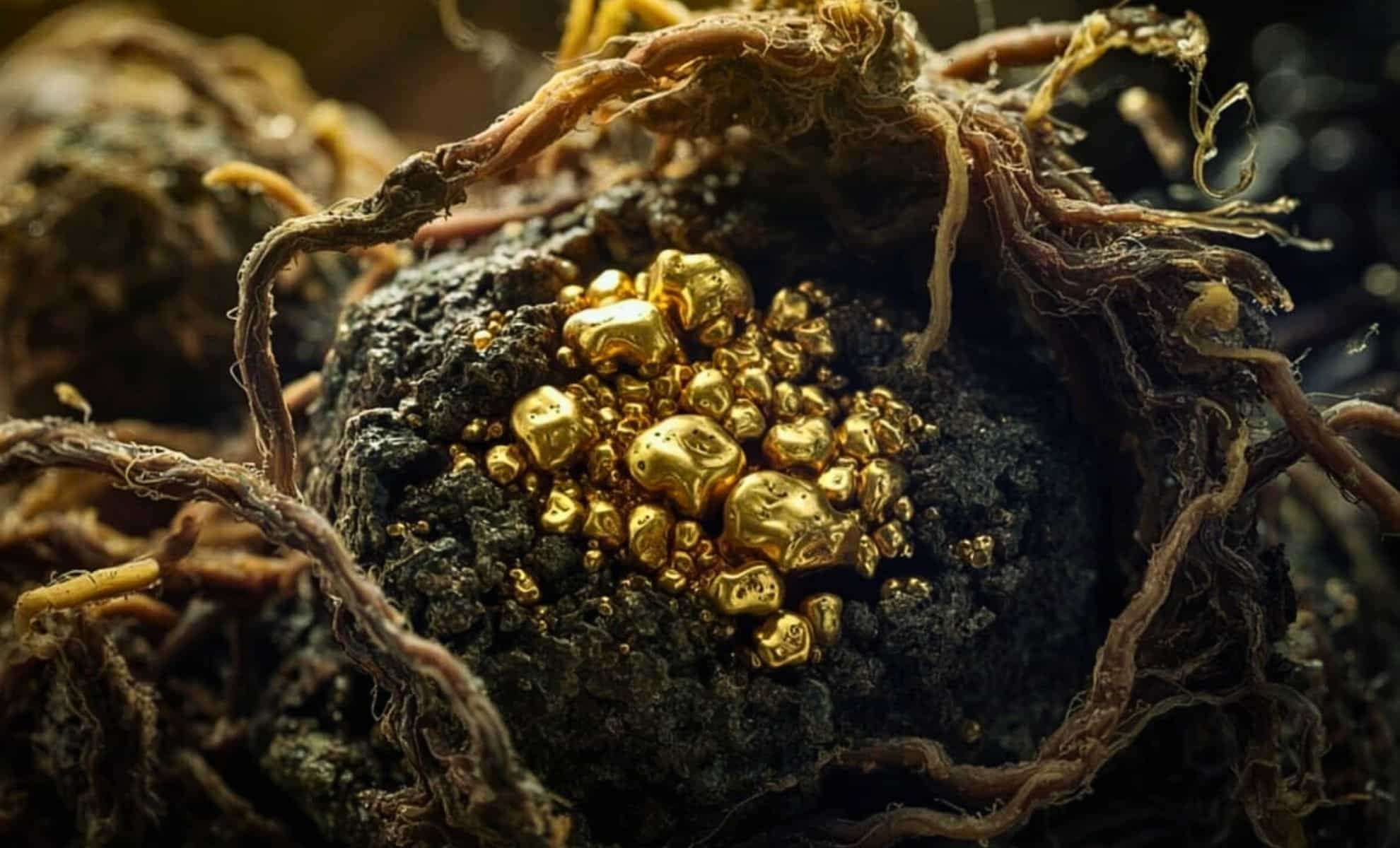
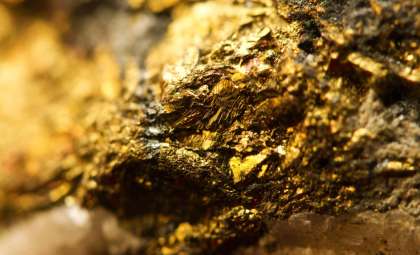
In 2019, scientists at the Commonwealth Scientific and Industrial Research Organisation (CSIRO), Australia's main scientific institution, uncovered an astonishing ability in a common soil-dwelling fungus: it can actively break down and metabolize gold.
This fungus, identified as a strain of Fusarium oxysporum, is traditionally recognized for its role in decomposing organic material. Under the leadership of Dr. Tsing Bohu, researchers found that it could dissolve minute particles of gold in its surroundings and then deposit the metal onto its network of mycelium, essentially coating its filaments in gold. Bohu commented, “Gold’s chemical inertness makes this kind of biological interaction highly unexpected.”
Rather than merely coming into contact with gold, the fungus actively engages in oxidizing gold particles and precipitating them. This discovery marks the first documented case of a biological process directly influencing gold’s movement through the Earth’s crust.

Leveraging Gold-Coating Fungi for Mineral Prospecting
After uncovering this phenomenon, CSIRO’s team began investigating how these fungi could aid the search for mineral deposits. In western Australia’s mining hotspot, Kalgoorlie, it’s already known that eucalyptus trees absorb gold from deep underground sources. Similarly, termites have been found with gold concentrations in their mounds, acting as natural biomarkers pointing to hidden deposits.
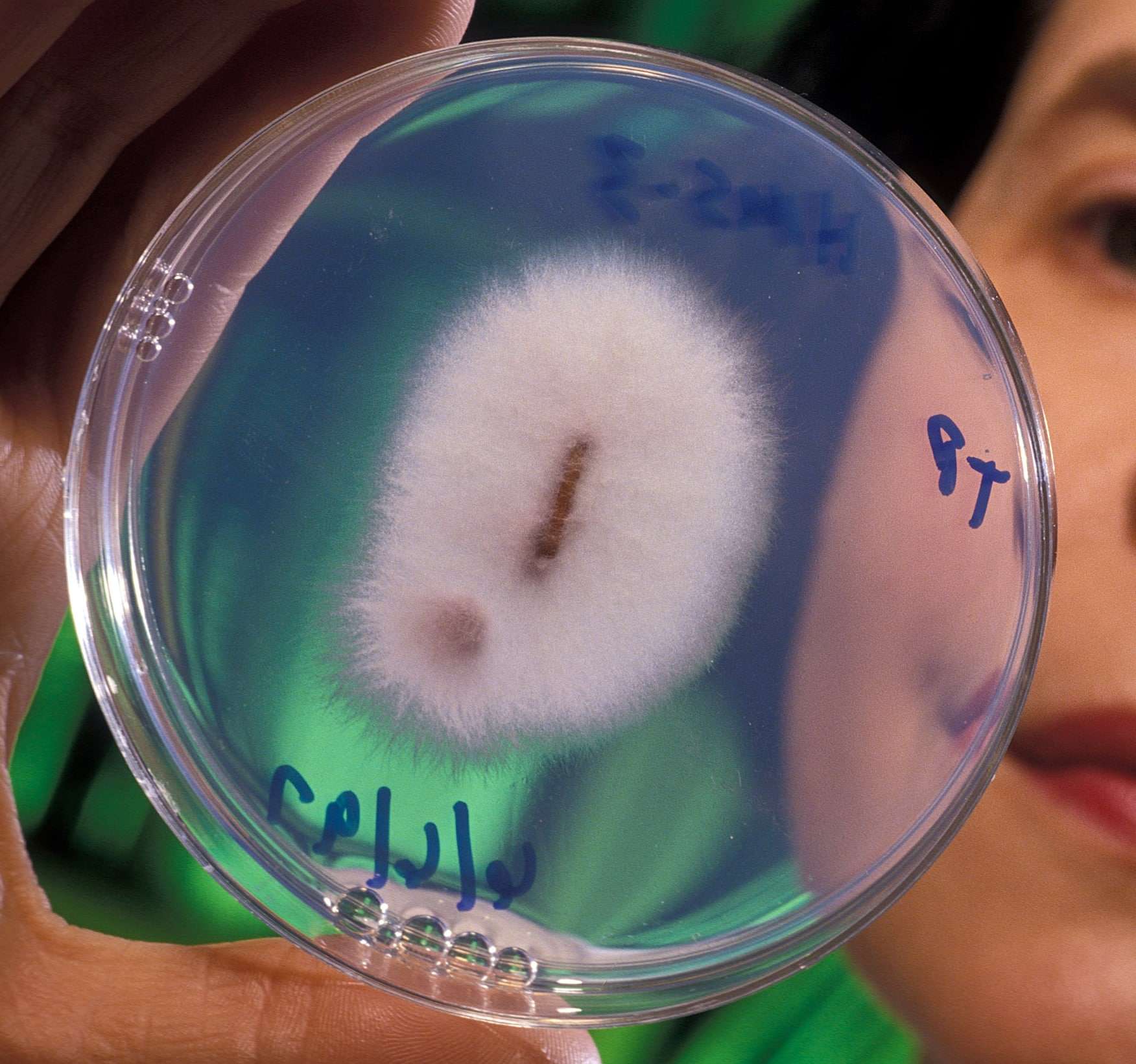
Fungi could soon join this group of biological signposts. Their existence or the gold they accumulate might help mineralogists pinpoint valuable sites. CSIRO also noticed that fungi interacting with gold tended to grow larger and expand more rapidly than those without exposure. These fungi fostered richer microbial communities in their vicinity, hinting that gold may enhance fungal vitality and diversity.
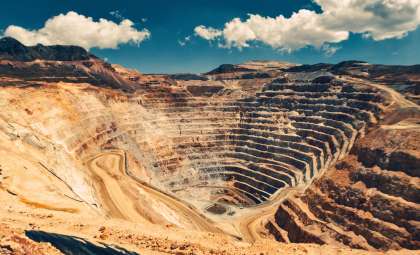
This positions fungi as not just indicators but also contributors to environmentally-friendly mining techniques. In a sector facing rising costs and environmental concerns, biological approaches could provide ways to detect and recover gold while minimizing ecological damage—an urgent priority as surface gold resources dwindle.
Interest from Space Exploration Communities
The transition from terrestrial fungi to potential space mining is a logical next step. The idea of using living organisms for metal extraction is gaining traction among companies and agencies focused on space. Microbes are already being studied for oxygen generation and waste recycling off-planet. Employing fungi to mine metals from asteroids builds on this innovative line of research.
Heavy and complex mining machinery poses significant challenges in microgravity. Conversely, if fungi or microbes can be adapted to extract valuable metals like gold, nickel, or platinum beyond Earth, resource acquisition on asteroids or the Moon could become far more viable.
Utilizing live organisms for extraterrestrial mining might sound futuristic, but CSIRO’s findings show a real biological foundation. Instead of relying on mechanical drills, forthcoming missions might harness self-sustaining, lightweight biological systems to process raw space materials gradually yet effectively.
- Categories:
- News



0 comments
Sign in to Comment