
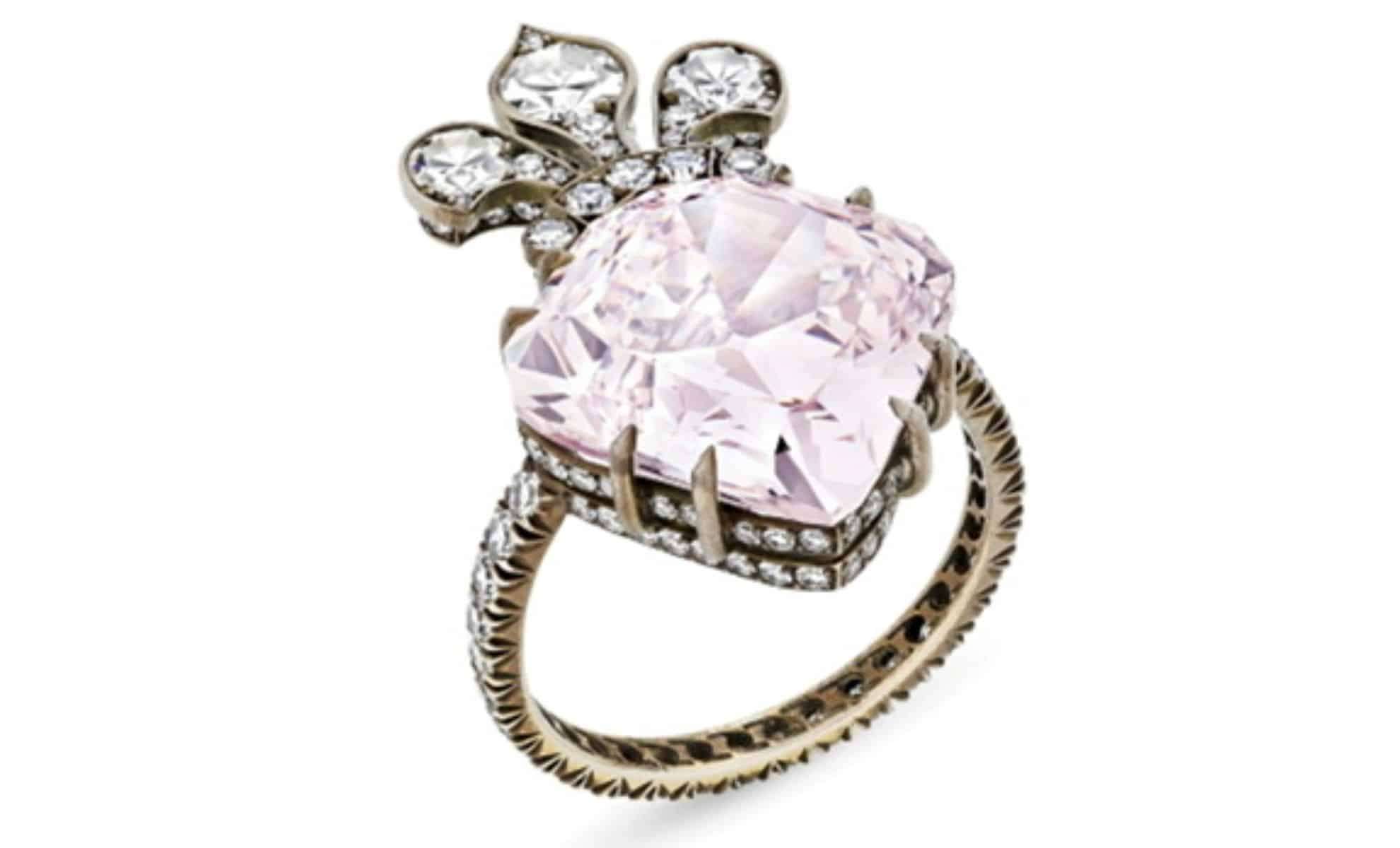
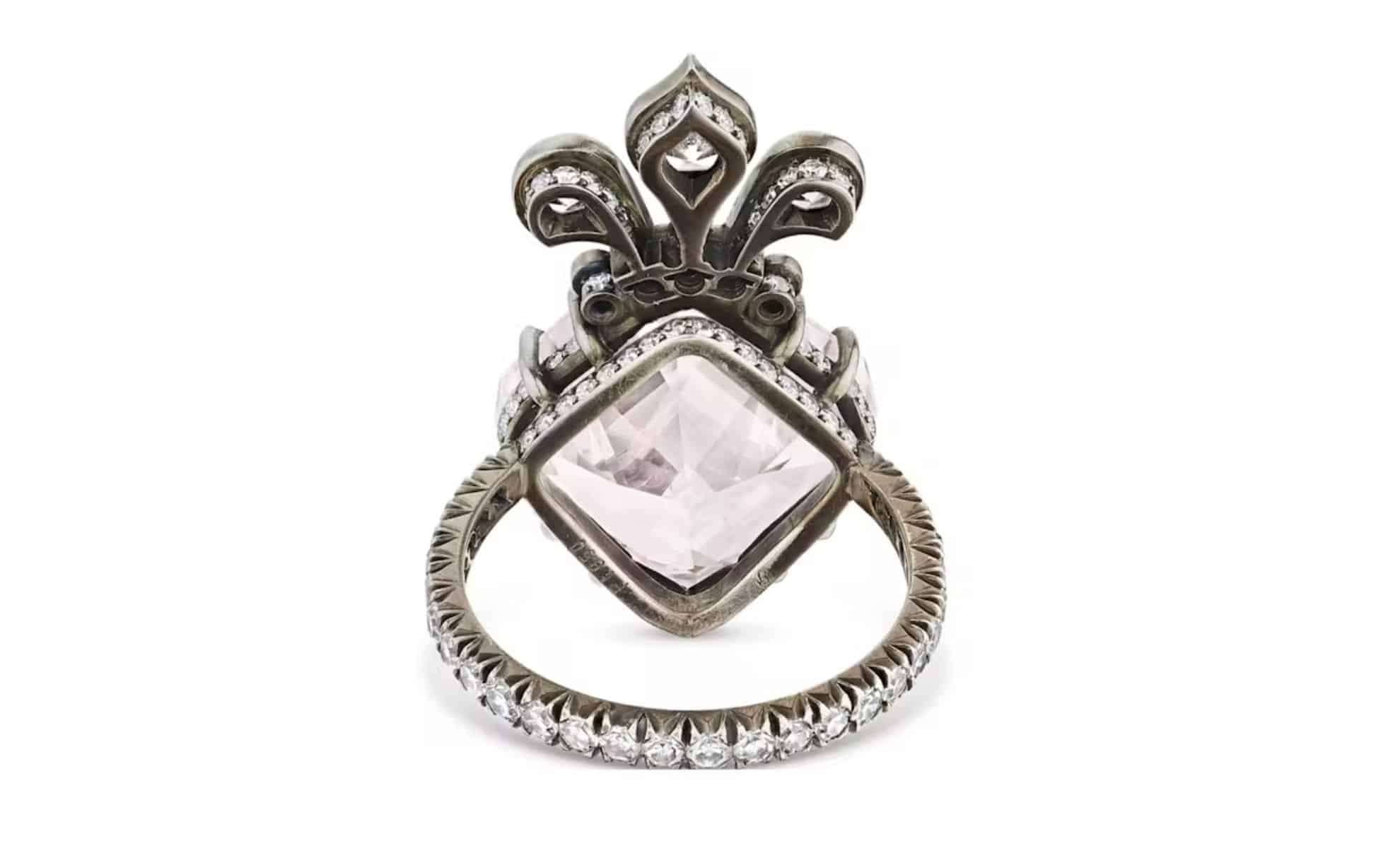
A rare pink diamond, believed to have once belonged to Marie Antoinette, the last queen of France, was recently auctioned in New York for an astonishing US$14 million. This exquisite 10.38-carat gem, dubbed the Marie-Thérèse pink, sold for nearly three times its expected price.
The Science Behind Pink Diamonds
Unlike typical diamonds formed far beneath the Earth’s mantle under severe heat and pressure, pink diamonds are geological rarities. Most diamonds are composed almost entirely of carbon atoms arranged in a dense cubic lattice and are created over billions of years. Colored diamonds—including pink, blue, and yellow varieties—derive their hues from specific impurities. For example, yellow diamonds include nitrogen atoms, and blue diamonds incorporate boron.
According to Christie’s, “The Marie Thérèse Pink Diamond is a jewel that transcends time—an exceptional gem from one of history’s most fascinating dynasties, reinterpreted by one of the most imaginative jewelry artists of our time.”

Pink diamonds stand apart because their color doesn’t result from impurities. Scientists attribute the pink coloration to a distortion within the diamond’s crystal lattice. Deep beneath the surface, intense pressure exerts shear forces that bend and deform the atomic layers, altering how the diamond bends and reflects light. This process, known as “plastic deformation”, diminishes green light reflections, causing a pink tone to emerge.
Because this deformation occurs under very specific geological conditions, only a minuscule portion of diamonds develop this pink coloration, making pink diamonds the rarest colored variety—second only to the exceptionally scarce red diamonds.
The Argyle Mine: A Source of Pink Diamonds
The Argyle mine in Western Australia was the principal supplier of pink diamonds for decades, accounting for over 90% of global output. Situated in the Kimberley region, the mine exploited a unique volcanic formation known as a lamproite pipe. Unlike the more widespread kimberlite pipes at other sites, lamproite formations are less explosive and contain minerals such as leucite and potassium, fostering the unique environment necessary for pink diamond genesis.
The combination of extreme pressure, heat, and tectonic movements dating back more than 1.6 billion years led to the lattice distortions responsible for the pink hues. Despite these conditions, only less than 0.1% of diamonds mined there were pink, with red diamonds comprising a mere 0.00000002% of the total carats recovered.
After 37 years, the Argyle mine ceased operations in 2020 due to exhausted reserves, intensifying the rarity and value of pink diamonds. This is reflected in the extraordinary sale price of the Marie-Thérèse pink diamond, which continues to captivate collectors and investors alike.
Unraveling the Origins of Pink Diamonds
Despite modern scientific tools, the precise cause behind pink diamond formation remains largely mysterious. Researchers have employed infrared spectroscopy and advanced X-ray diffraction to analyze structural changes in pink and red diamonds, yet many aspects remain elusive.
The natural processes producing the pink coloration are extraordinarily intricate, and recreating these conditions artificially remains unattained. Though scientists have developed lab-grown pink diamonds that closely mimic natural ones, subtle structural distinctions persist.
Methods such as infrared absorption testing allow experts to distinguish synthetic gems from natural ones through unique patterns. Additionally, the detection of elements like hydrogen or nitrogen in natural stones can be identified by characteristic signals within the visible spectrum.
- Categories:
- News










0 comments
Sign in to Comment