
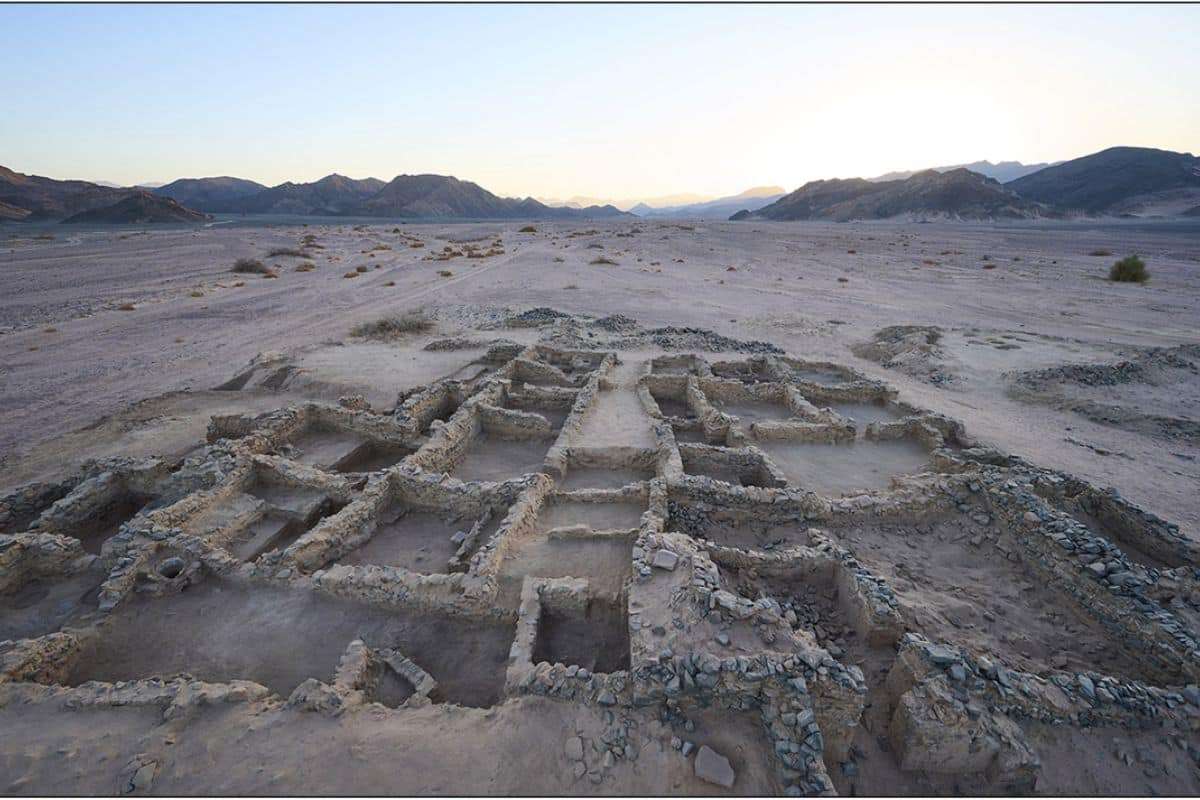
In a remarkable archaeological breakthrough, researchers uncovered two sets of iron shackles dating back more than two millennia at an Egyptian gold mine. The site, located in the Ghozza region of Egypt’s Eastern Desert, casts new light on the severe conditions endured by miners during the Ptolemaic era (305–30 B.C.).
Published in the journal The Archaeology of the Egyptian Eastern Desert: Recent Discoveries and Research, the study reveals that these shackles are compelling proof of coerced labor playing a significant role in the ancient gold extraction industry, challenging previous understandings of workforce dynamics in Ptolemaic Egypt.
Unearthing Historical Hardship in the Desert
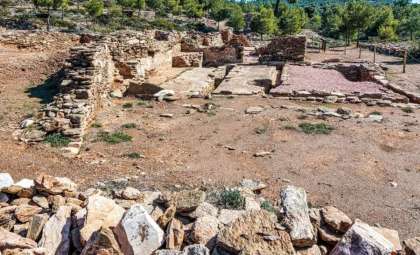
The discovery took place at Ghozza, the northernmost documented gold mining location from the Ptolemaic period, active between 250 and 200 B.C. While historical documents hinted that miners included both paid laborers and slaves, the exact balance remained unclear.

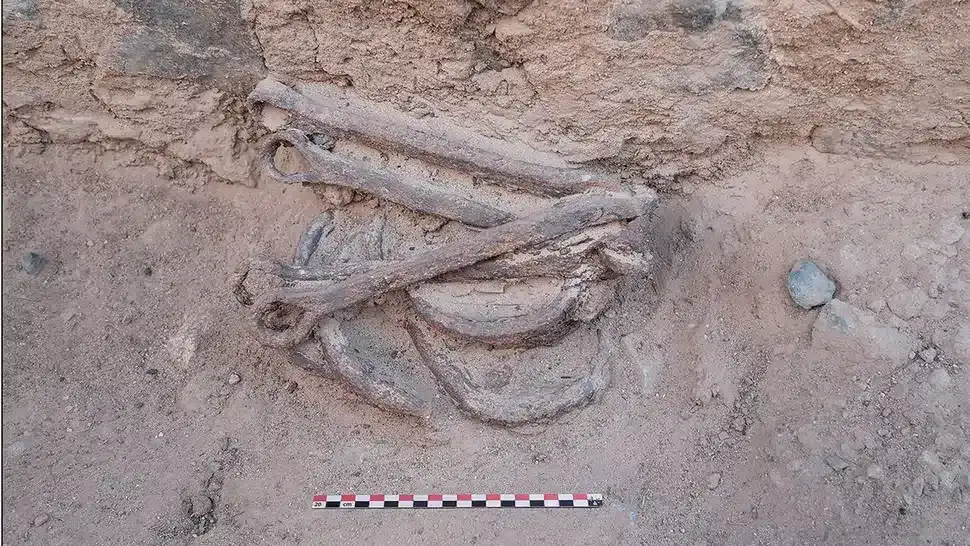
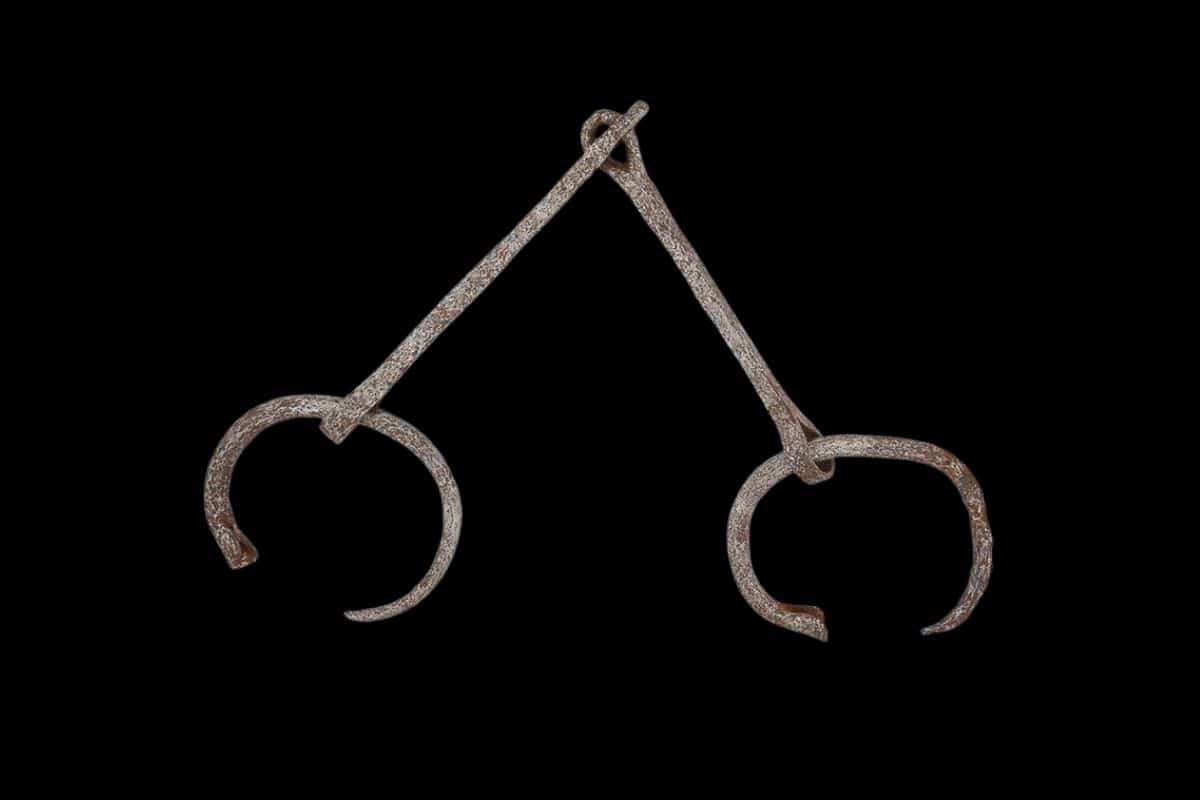
Lead archaeologist Bérangère Redon reported that the shackles were uncovered within an ancient storage structure amid discarded iron tools and mining debris. One set featured seven ankle shackles and two chain links, while a second contained four chain links and remnants of ankle rings, all clearly intended to restrict movement and prevent escape attempts.
Redon pointed out that these restraints strongly resemble those found in ancient Greek silver mines at Laurion, indicating the influence of Greek mining technology and possibly their labor control practices were integrated into Egyptian operations during this period.
Coercion as a Cornerstone of Egypt’s Gold Industry
Following Alexander the Great’s conquest of Egypt, the Ptolemaic rulers expanded their mining activities to fund ongoing military efforts. Despite some miners earning wages, the Ghozza evidence highlights that forced labor was part of the workforce composition.
Historical texts note that captives from war and convicted offenders were assigned to mine labor under punitive conditions. Prior interpretations of the Ghozza site assumed most workers were free, given the absence of guarded worker quarters seen at other mining locations designed to detain enslaved workers.
The discovery of shackles directly challenges this view. Redon emphasized, “These artifacts provide irrefutable evidence regarding the true status of these miners, a detail previously unavailable to us.”
Harsh Realities Inside the Gold Mines
The Ptolemaic extraction sites were infamous for brutal working environments. Miners labored with manual grinding stones to separate gold from ore under relentless desert heat. Accommodation conditions varied, with some locations fortified to keep enslaved laborers under strict control.
At Ghozza, archaeologists also uncovered hundreds of ostraca—pottery shards used for writing—that provide valuable insight into the daily routine of miners. Evidence suggests a mix of compensated workers alongside those forcibly restrained, as indicated by the shackles.
Though no direct human remains linked to these shackles have been found, historical records describe miners frequently enduring fatal working conditions. The ancient historian Diodorus Siculus portrayed these mines as grim prisons, where laborers faced starvation, extreme thirst, and near-perpetual darkness.
The Enduring Toll of Ancient Gold Mining
The findings from Ghozza reinforce the notion that ancient Egyptian gold mining went beyond economic activity to involve systemic human exploitation. The wealth extracted to support Ptolemaic ambitions and aristocratic lifestyles came at a profound human cost.
This discovery also underscores the continuity of mining techniques and labor systems throughout the Mediterranean, highlighting how methods and forms of subjugation were exchanged and adapted across cultures.
- Categories:
- News






0 comments
Sign in to Comment