
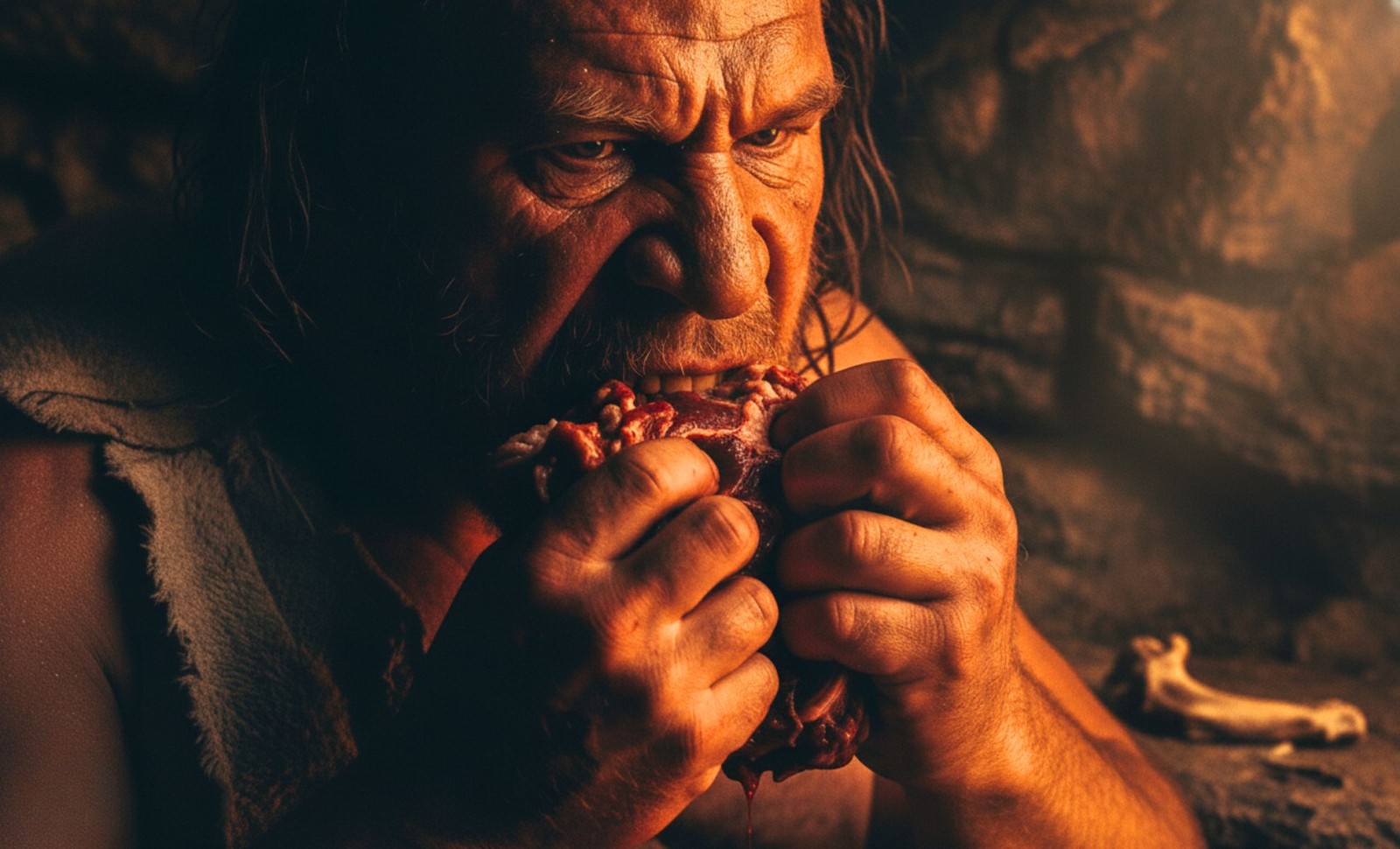
For many years, Neanderthals have been viewed primarily as pragmatic hunters, specializing in large animals but with limited cognitive abilities. However, a new study conducted by archaeologists in Europe uncovers evidence that Neanderthals skillfully handled and cooked small birds, demonstrating a level of planning and control previously unrecognized.
Reported in Frontiers in Environmental Archaeology, the investigation reveals that these ancient humans likely used flint implements to butcher birds and purposely roasted them over carefully managed fires. These findings have far-reaching implications for reevaluating the Neanderthal diet, their use of fire, and their cognitive abilities.
The researchers aimed to decode the meaning behind the cut and burn marks found on bird bones dating back approximately 90,000 years from two cave sites in Portugal. Was this evidence of deliberate cooking? To find out, they took the unusual approach of preparing birds themselves using authentic replica tools Neanderthals would have used.

The experiment challenged longstanding perceptions and revealed a major archaeological bias: cooked small animal remains might be underrepresented because of their fragile condition.
Investigating Cut Marks and Burn Patterns
The study centered on the Middle Paleolithic locations of Figueira Brava and Oliveira, where bird bones showed slashes and scorch marks. Determining whether these were caused by humans, natural events, or scavenging animals was difficult. Lead researcher Mariana Nabais explained, “It can be complicated to determine if such marks result from human activities, natural processes, or even other animals.”
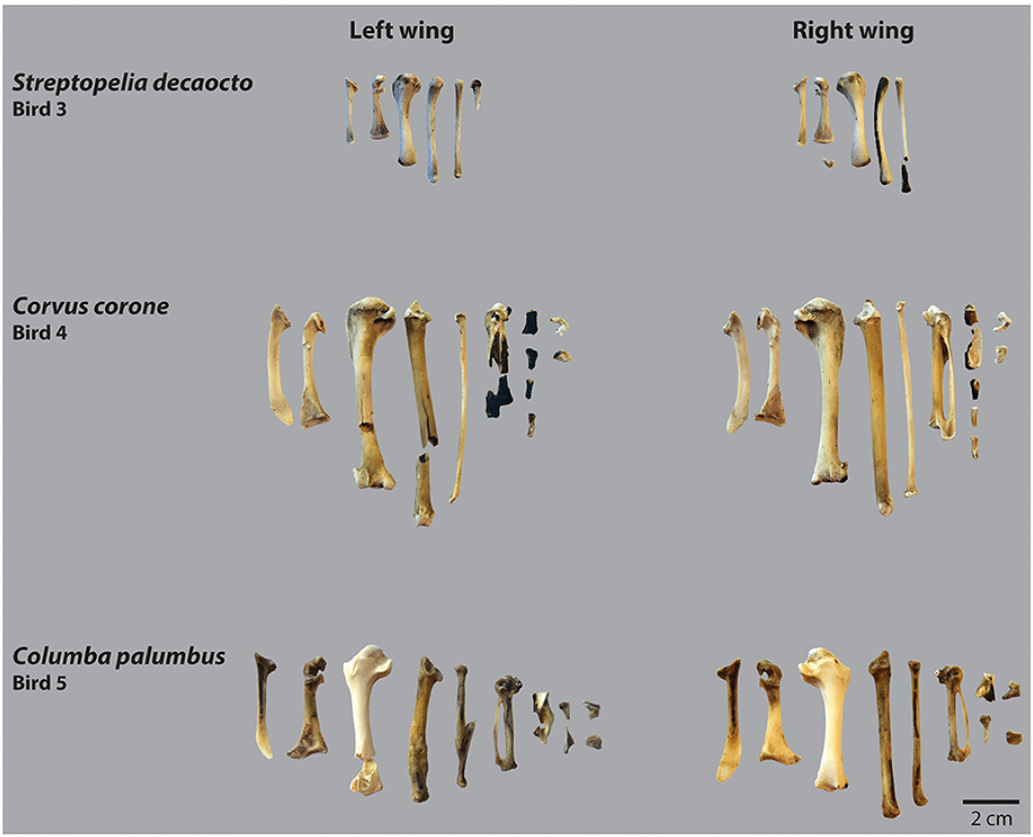
Nabais and her team performed a controlled test on five birds—two carrion crows, two collared doves, and one wood pigeon—all obtained post-mortem from a Portuguese wildlife center. Using flint flakes fashioned like Neanderthal tools, they butchered raw birds, then roasted and dissected the remaining specimens.
The experiment demonstrated that raw birds exhibited distinct cut marks from the tools, whereas cooked birds were often manually dismembered, leaving fewer tool marks but producing more fragile bone fragments. These wear patterns, especially around joints and tendons, closely resembled prehistoric remains and helped clarify Neanderthal butchery methods.
Fading Evidence of Burned Bones
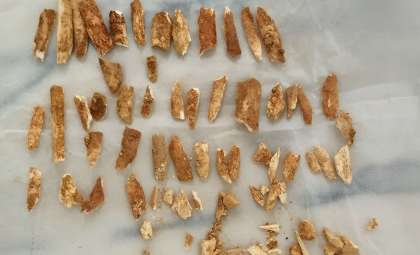
A striking discovery was that significant portions of bird skeletons disappeared due to cooking. As much as 57.1% of a roasted bird’s bones shattered or vanished during or after roasting.
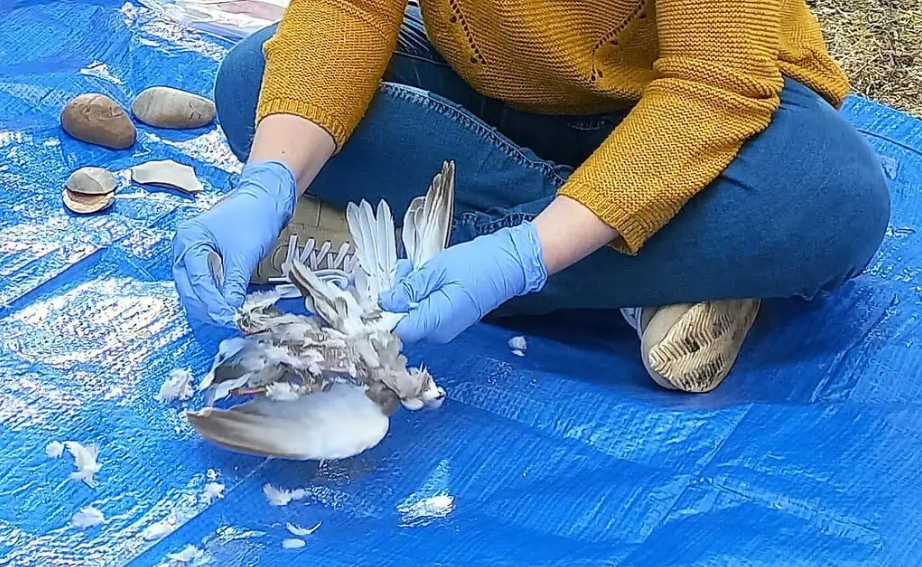
The authors highlight that “burning activities may go undetected in archaeological sites” because roasting causes bones to become exceedingly fragile. Even when blackened surface char was visible, internal heat damage often destroyed bone details that would be essential for fossil preservation.
This suggests that the use of fire in preparing food might be frequently overlooked in archaeological records due to post-cooking bone fragility. The researchers warn that “cooking renders bones extremely fragile, which may complicate their identification.”
Microscopic Tool Analysis Reveals Precision
In addition, the study examined the flint flakes under a microscope. The edges showed tiny crescent-shaped chips and polish consistent with meat and tendon cutting—patterns matching wear seen on known Neanderthal tools.
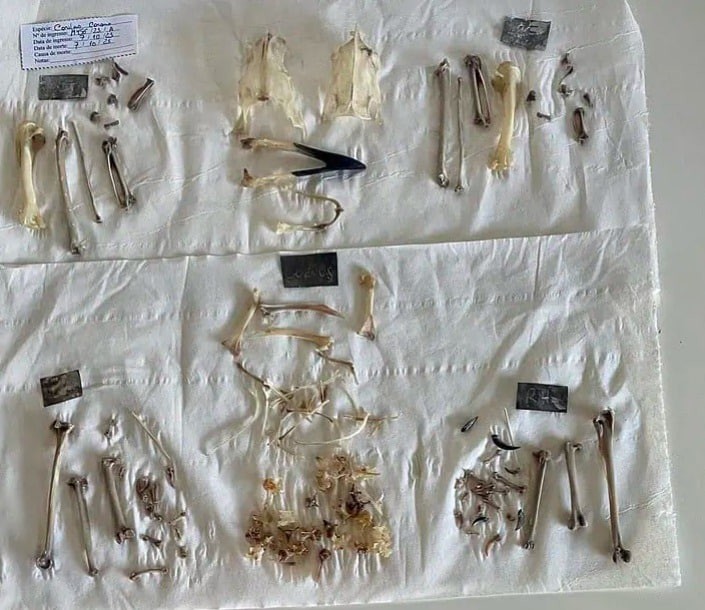
The team noted, “these use-wear traces are tenuous, which is consistent to the working of a light butchery and over a short time.” These observations reinforce the idea that Neanderthal implements were used skillfully not only for hunting or skinning, but for meticulous food processing.
Interestingly, the roasted birds required minimal tool use. Instead, hands were mainly employed to twist and pull apart joints, demonstrating an energy-efficient method that conserved tool effort.
Evidence of Thoughtful Prey Selection
The findings suggest Neanderthals displayed intentional planning and adaptability when choosing their prey. Larger birds like carrion crows were tougher to butcher and had less meat, while smaller species such as wood pigeons offered greater nutritional rewards. The authors noted “carrion crows were found to have minimal meat… in contrast to collared doves, and wood pigeons in particular.”
This indicates early humans selected prey based on how efficiently the animals could be processed and their food value. They also adapted by roasting to simplify disarticulation and speed up meat consumption.
While the study refrained from meat tasting due to health concerns, the researchers remarked that some birds, particularly wood pigeons, seemed quite appetizing.
Rethinking Archaeological Absences
Beyond insights into Neanderthal behaviors, this research highlights significant biases in archaeology. Since small roasted bones are prone to disintegration, behaviors involving controlled fire use and diet diversity may be underestimated.
These results challenge many assumptions about early humans that rely heavily on preserved remains. The absence of fragile evidence does not equate to the absence of complex behavior. Controlled fire management, refined butchery, and strategic prey choices all point to sophisticated capacities masked by the limits of archaeological preservation.
The study advocates for increased experimental archaeology as a tool to assess what cultural practices remain visible in ancient contexts—not merely reenacting history, but actively evaluating the survival of evidence.
- Categories:
- Science










0 comments
Sign in to Comment